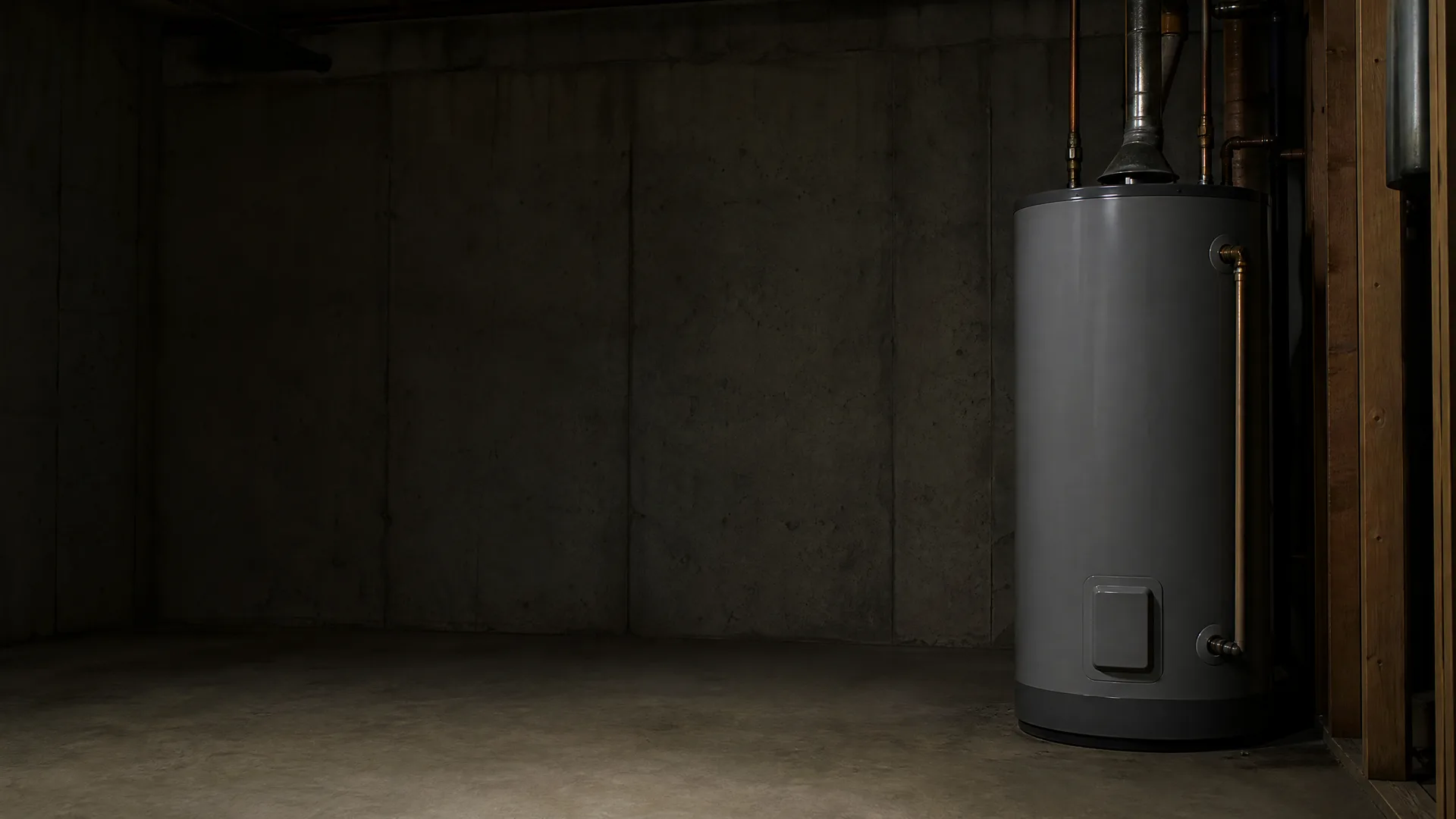
A large gray cylindrical water heater with copper pipes and a metal flue stands on a concrete pad in a dim basement, with wood framing and shelves of storage bins lit by a bare bulb behind it.

Finding a pro stops being your job

Gas or electric water heater for a Mississippi home

Most homes in Mississippi heat water with electricity, and if yours came with an electric tank, switching to gas means new gas line work, venting, and a different install than a straight swap. This page walks through what decides it, electric or gas, and what that choice means for the install itself. Once you send the request, a licensed local installer takes it from there.

Let a pro reach out

Most water heaters in Mississippi run on electricity, and if that's what you have now, staying electric is usually the simpler and cheaper install. Switching to gas means running a new gas line to the tank, adding proper venting, and in some cases opening up a wall or closet to fit it, work a straight electric swap doesn't need. Gas heats water faster and tends to cost less to run month to month, since gas is generally cheaper than electricity for this. But that savings has to cover the cost of putting in a gas line and vent if your home doesn't already have one at the water heater. If a gas line already runs to your current unit, switching is a much smaller job. If it doesn't, the install itself decides whether gas makes sense for you right now.

A woman in a knitted shawl sits in a living room with a fireplace, shelves, a sofa with cushions, and a lamp by a bright window, looking off to the side.
A woman with long brown wavy hair in a green shirt over a white top stands in a living room with built-in white shelves, a ceiling fan, a potted plant and a sliding glass door.
A woman with shoulder-length gray-streaked hair in a light gray knit sweater stands smiling and looking off to the side in a living room with a sofa, houseplant, framed picture, and sunlit sliding glass door.
A woman with shoulder-length curly gray hair wearing a gray knit sweater stands near a window with a sheer curtain, looking to the side, with a blurred interior room behind her.

What a gas line conversion involves

A gas water heater needs its own fuel line sized for the tank, plus a vent that carries exhaust out of the house. If the house has gas for a furnace or a stove already, a line can sometimes be run from that existing supply. If there's no gas service at all, the work starts further back, at the meter, before it ever reaches the water heater. Venting matters just as much as the gas line. A tank venting through a wall or an existing chimney is a different job than one that needs new venting built from scratch. None of this shows up on the sticker price of the water heater itself. It shows up in the labor and materials once someone opens the wall and looks at what's actually there.

Why electric stays the simpler swap

An electric water heater ties into wiring that's usually already sized for it, since the home likely had an electric tank before. There's no combustion, so there's no venting to run and no gas line to inspect or connect. A straight swap means disconnecting the old tank, setting the new one in the same spot, and reconnecting the same circuit. That's the whole job in most cases. It's why electric-to-electric replacement tends to move faster than any conversion to gas, and why a licensed local contractor can usually look at an existing setup and tell within a visit whether it's a same-day swap or something that needs more planning.

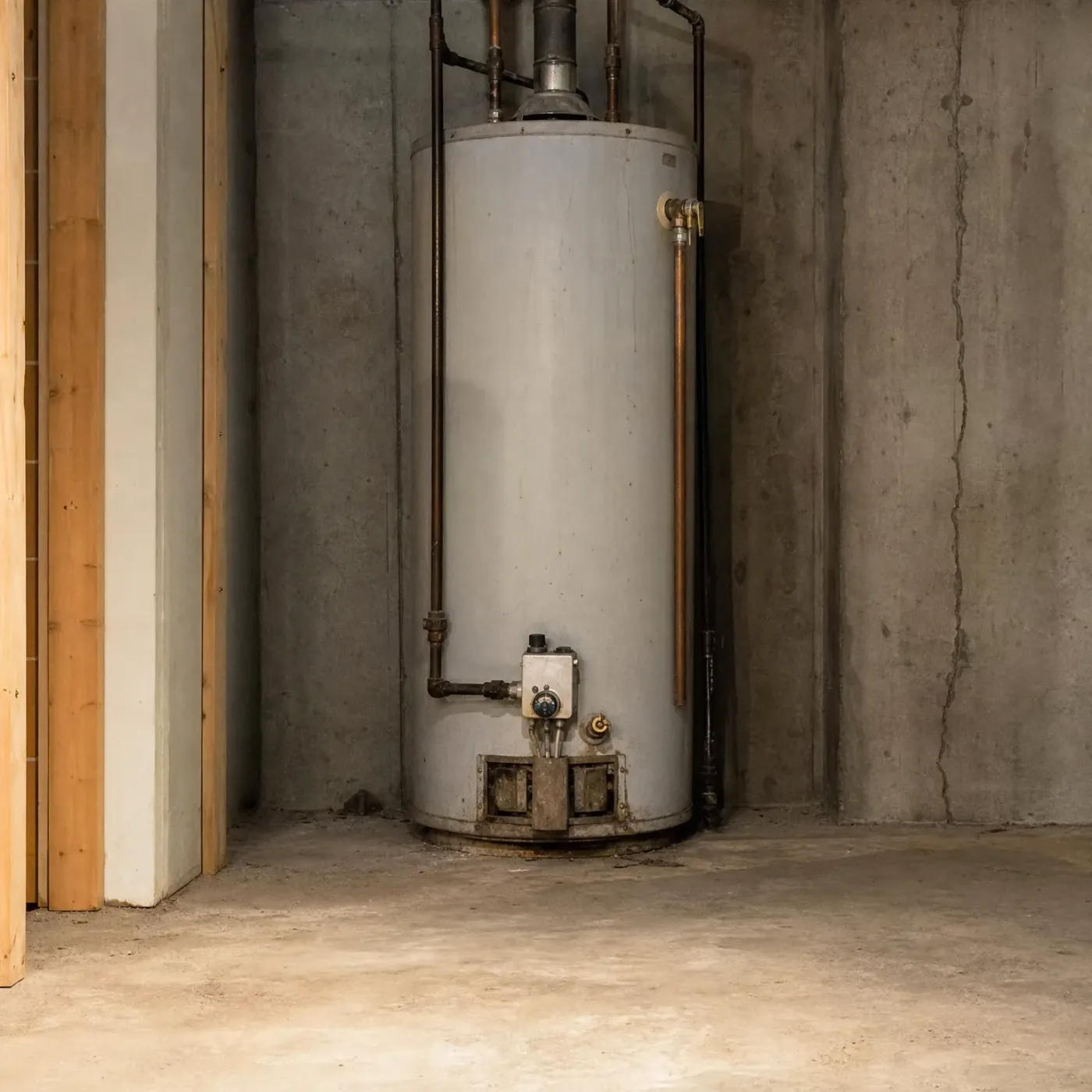
An older gas water heater with copper and black pipes stands in the corner of a bare concrete basement next to a wood-framed partition wall.
Before you get your water heater installation
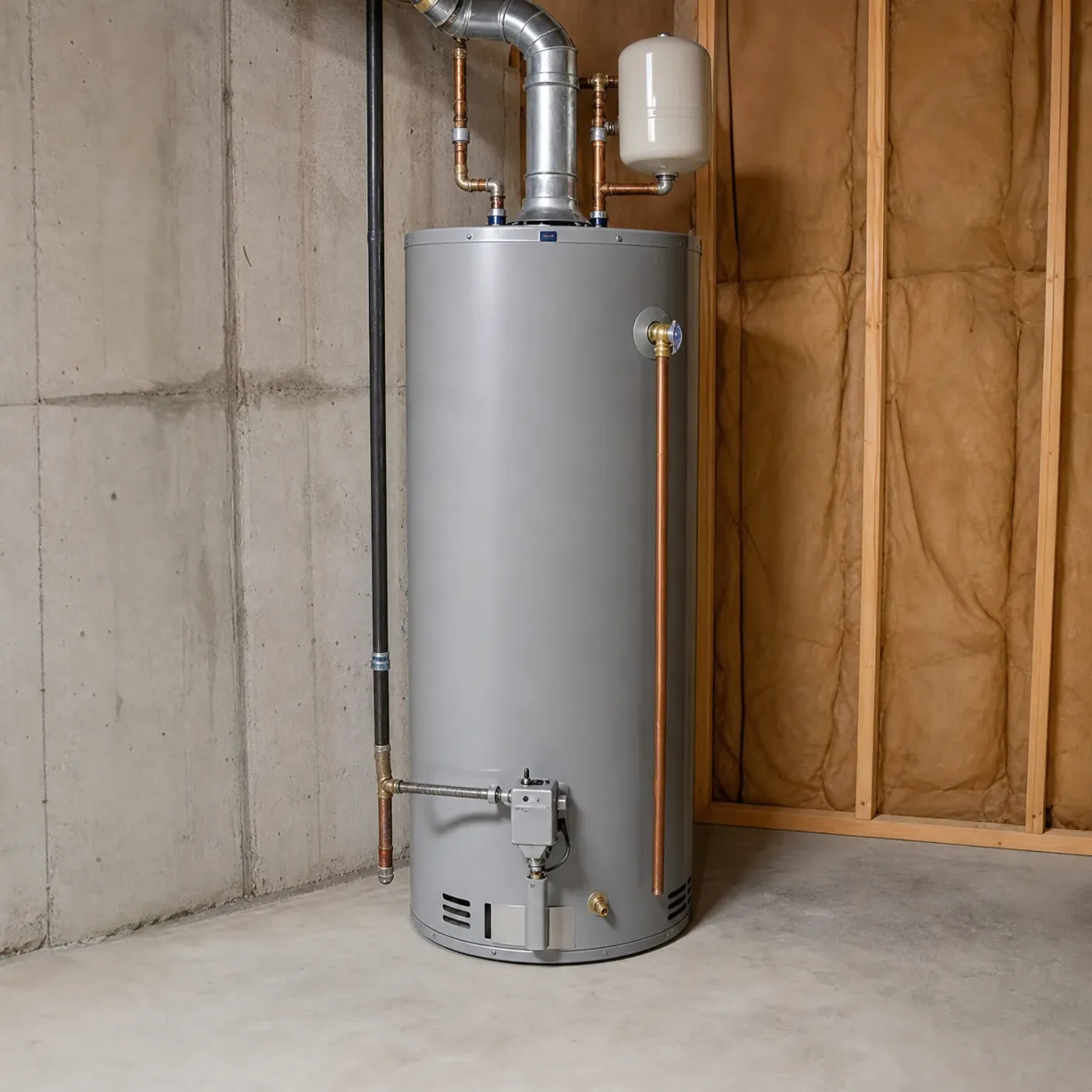
A gray cylindrical gas water heater with copper piping, flue vent, and a small expansion tank stands in a basement corner between a concrete wall and an insulated stud wall.
After you get your water heater installation

Let someone else find the pro

If you're still deciding between electric and gas, that's a question worth answering before anyone touches your tank, not after. Get it wrong and you're paying for a gas line and venting you didn't need, or living with a slower electric recovery when gas would have suited the house better. A local contractor who installs water heaters in Mississippi homes all year has seen which way most houses on your street went, and why, and can tell you quickly whether your current setup makes switching worth it or not. Sending the request means you stop carrying that question around. One contractor gets your details, looks at what you actually have, and tells you what fits your home instead of you trying to work it out from general advice. That's one less thing on your list, and it's handled by someone who does this work in Mississippi homes regularly, not someone guessing at it.

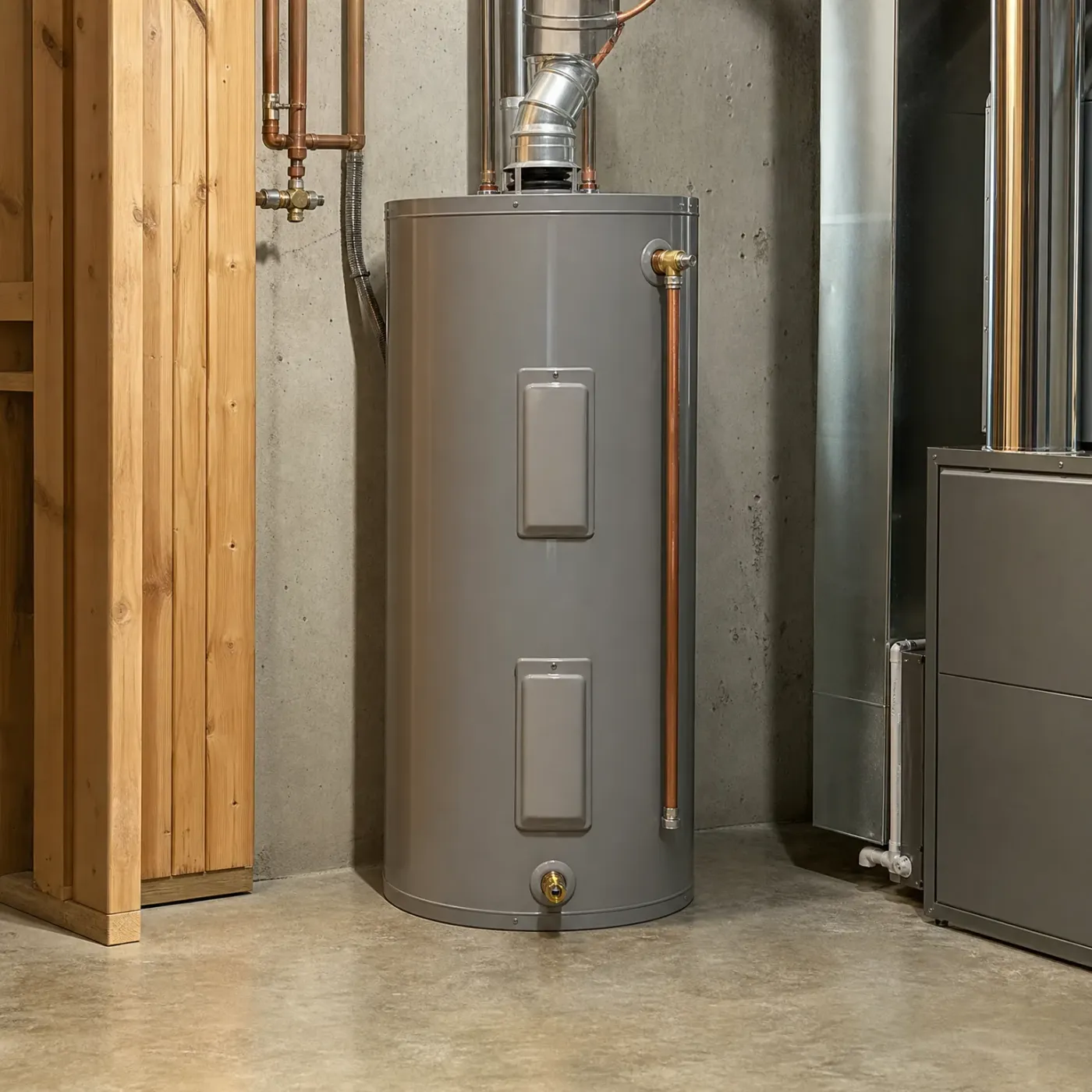
A gray cylindrical water heater with two access panels and copper piping stands against a concrete wall in a basement, beside wood framing and metal ductwork.

Staying electric

An electric tank hooks up to the wiring already in place, sitting next to the ductwork and framing like any other fixture in the utility space. No gas line, no flue, no new vent through the roof. It's the straight swap most Mississippi homes end up with.

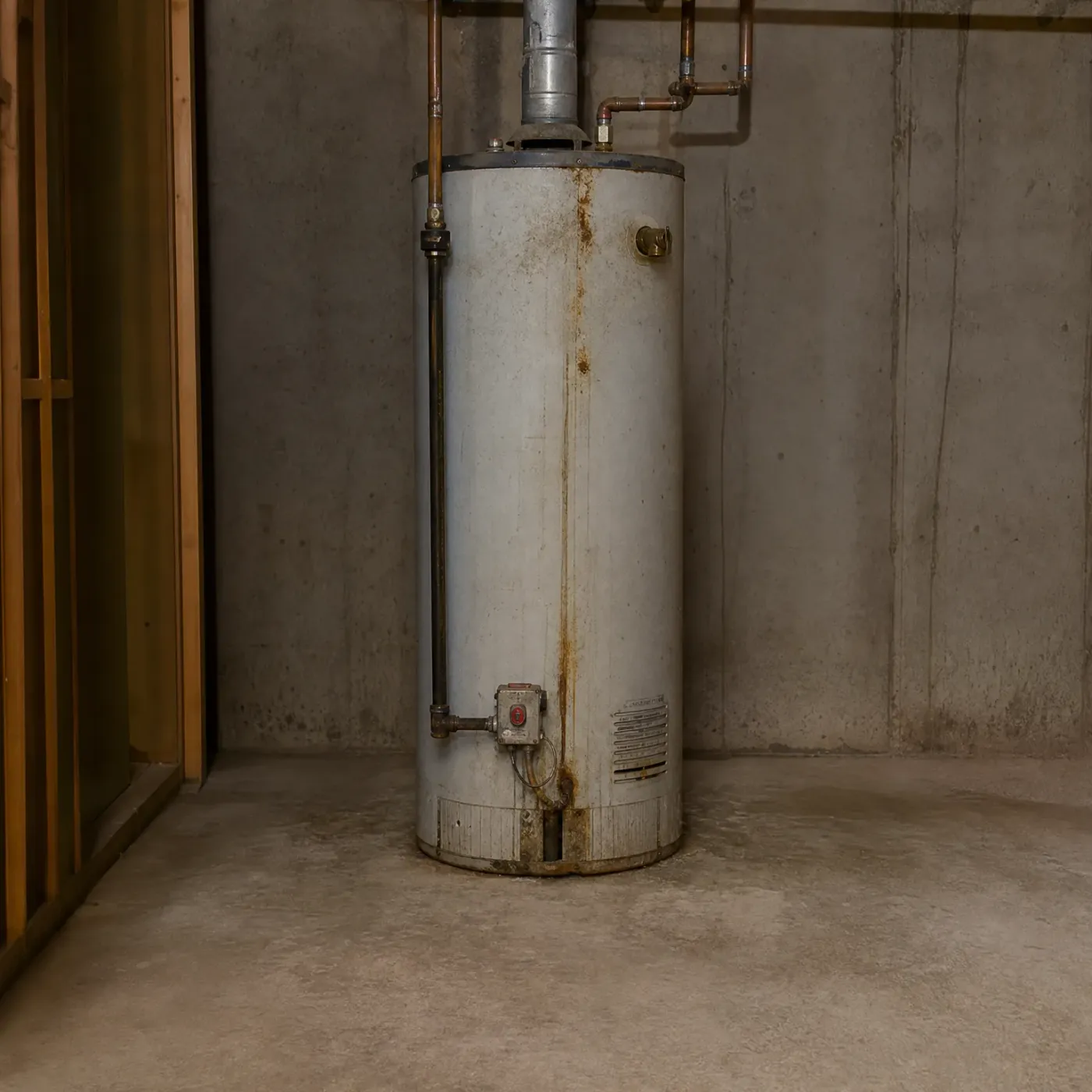
An aging rust-streaked gas water heater with copper and galvanized pipes stands against a bare concrete basement wall beside wooden stud framing.

Switching to gas

This tank has been through it. The rust, the flue running up from the top, the gas valve down near the base, all of it points to age and a harder install than the one next to it. A setup like this means a fuel line, a working vent, and someone who can run both correctly.

58.9% of homes statewide heat with electricity

Most houses in Mississippi were wired for an electric tank from the start, and the odds say yours is one of them. That's why staying electric usually means hooking up to what's already there instead of opening a wall for gas.

ACS 2020-2024 5-year B25040

A houseful of people doing laundry, showering, and running the dishwasher back to back will hit the limit of a tank's recovery rate faster than a slow hot tap ever would, no matter which fuel heats the water.

Gas recovers faster, so a busy household refills hot water sooner between uses. Electric gets there too, just on a longer runway, and for most Mississippi homes already wired for it, that's the tradeoff worth knowing before install day.

A woman and a sleeping child wrapped together in a cream knitted blanket on a couch, with a potted plant, framed photo and lit lamp in the background.
A gray-haired woman in a cream knit sweater stands in a dimly lit kitchen at night, looking to her right, with a round loaf of bread in the foreground and a dark window and potted plant behind her.

Electric or Gas, Decided by What's There

  • If your tank is electric now, staying electric is the install that avoids new gas line and venting work.
  • A switch to gas only makes sense if the recovery speed matters more to your household than the cost of running a line and a vent.
  • A licensed local installer who works on Mississippi water heaters all year knows which houses already have the gas line a conversion needs.
  • Sending one request means one contractor calling you back, not a string of installers competing for the job.
  • Someone who installs both fuel types regularly can look at your utility space and tell you fast which one makes sense here.
  • Either way, the right install is the one that matches what's already feeding your home, not the one with the better pitch.

Most of what decides this question is already sitting in your utility space. If you have an electric tank now, keeping it electric is almost always the simpler path, since the wiring is there and nothing new has to be run through a wall or up through the roof. Gas only earns its place if your household is hitting the limits of electric recovery often enough that the faster refill is worth paying for a gas line and venting you don't currently have.

That's not always obvious from a walkthrough of the house. It takes someone who's been inside enough Mississippi homes to know which ones already have a gas supply close enough to tap, and which ones would need a run long enough to change the math. A local installer who handles both fuel types all year has usually seen your exact setup before, in a house not far from yours, and knows within a few minutes which way it should go.

Sending one request gets you one licensed contractor looking at your actual tank and your actual gas access, not a handful of installers each pushing the job that pays better for them. That's the difference between getting matched with someone and getting a straight answer. The right call here was never about which fuel sounds better. It's about what's already feeding your home and what your household actually asks of a water heater on a normal week.
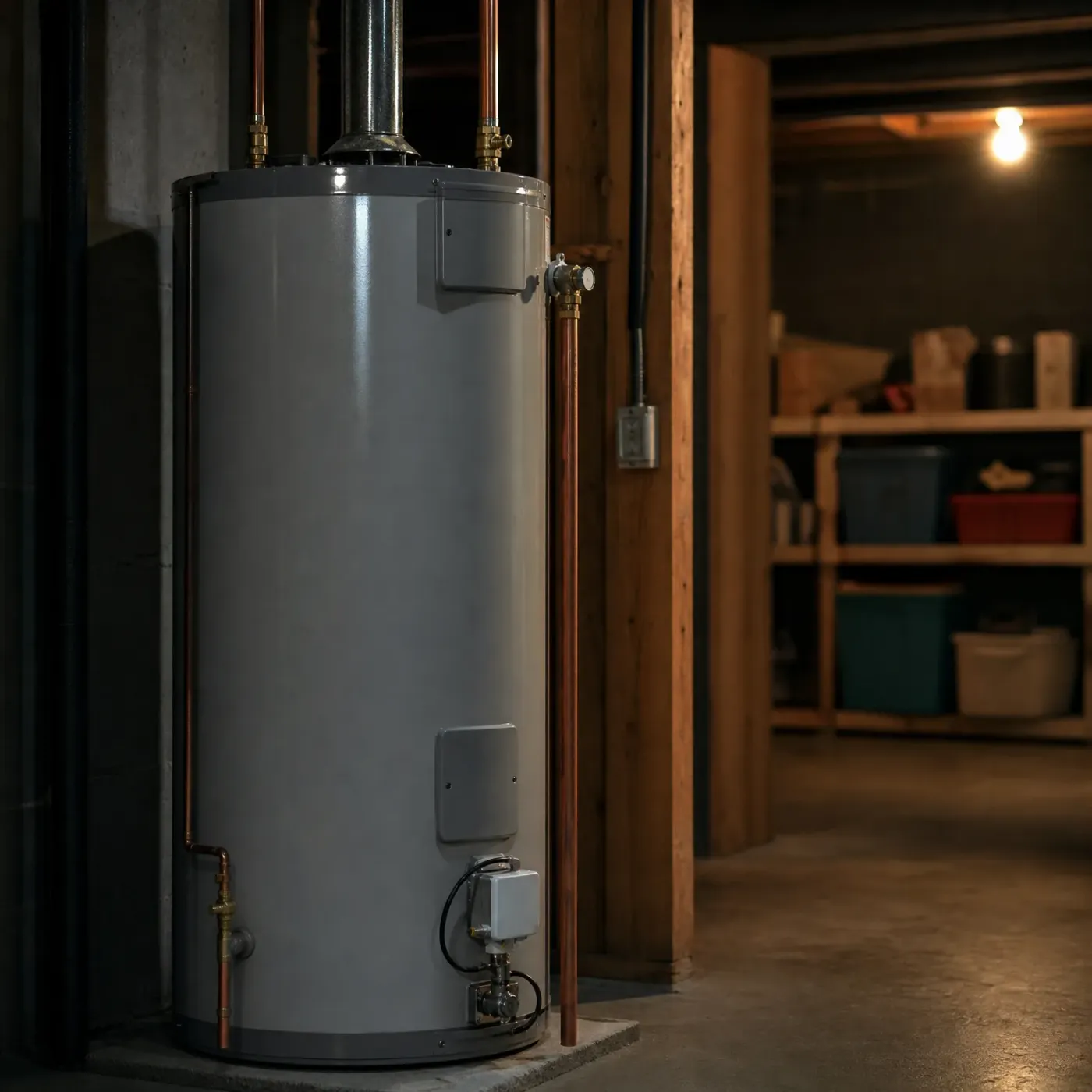

A gray cylindrical water heater with copper pipes and a metal flue stands against a concrete wall in a dim basement with a bare concrete floor.

One request and it's handed off

Only one pro gets your request, so you hear from one company.

Step 1 of 3: Equipment