
How often to flush a water heater in Mississippi
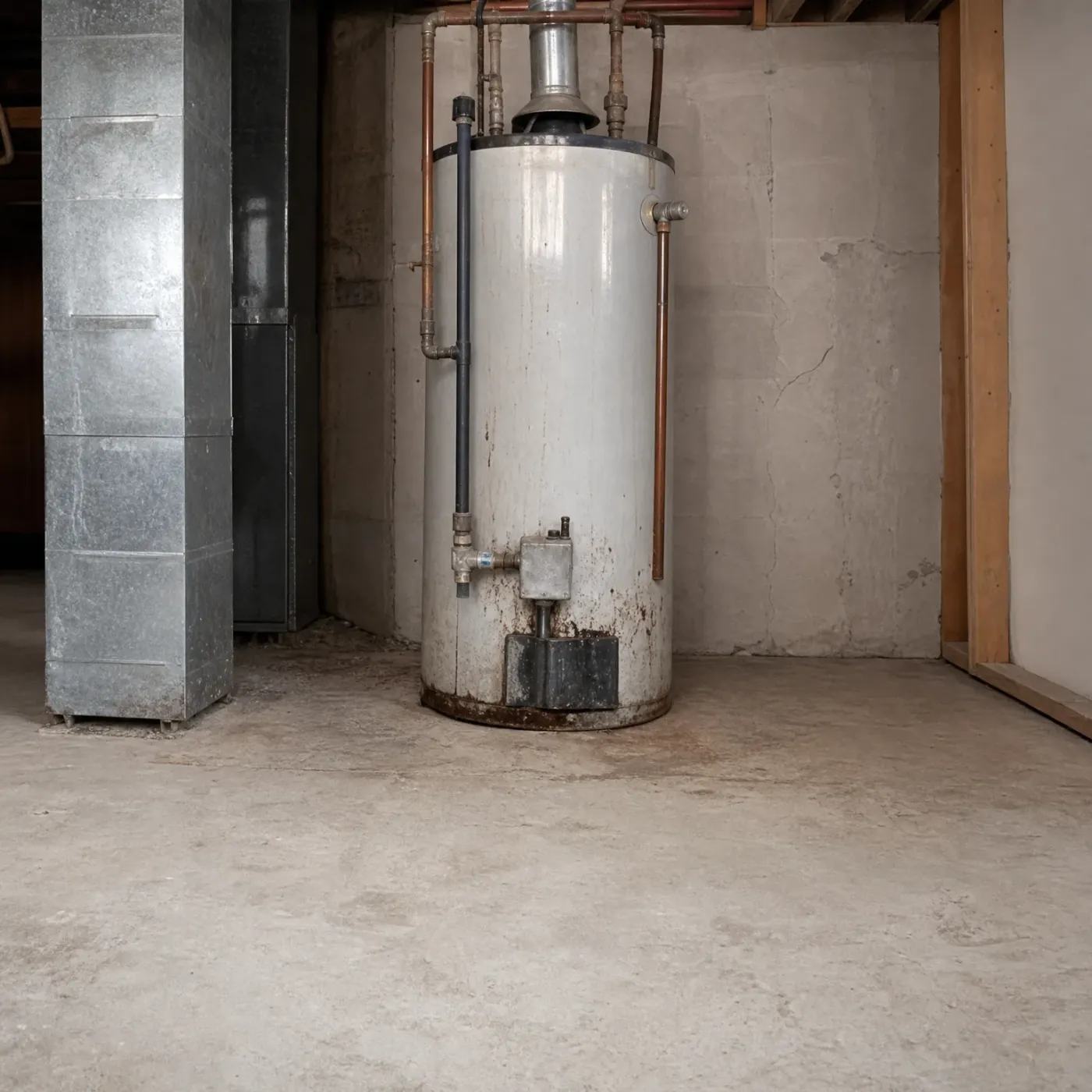
Once a year is the right interval for flushing a water heater in Mississippi. Flushing clears out the sediment that settles at the bottom of the tank, and most homes here are on electric water heaters, which have a lower heating element sitting right down in that layer. Left alone, the sediment insulates the element from the water, so the element works harder and burns out sooner. Hard water in parts of the state speeds this up, since the minerals that make water hard are what settles out as sediment. An annual flush keeps that layer thin enough that it doesn't matter. If your water heater has gone a few years without one, you may notice popping or rumbling sounds as the tank heats, or hot water that runs out faster than it used to. Either one is the sediment layer making itself known, and it's a sign the tank is overdue.


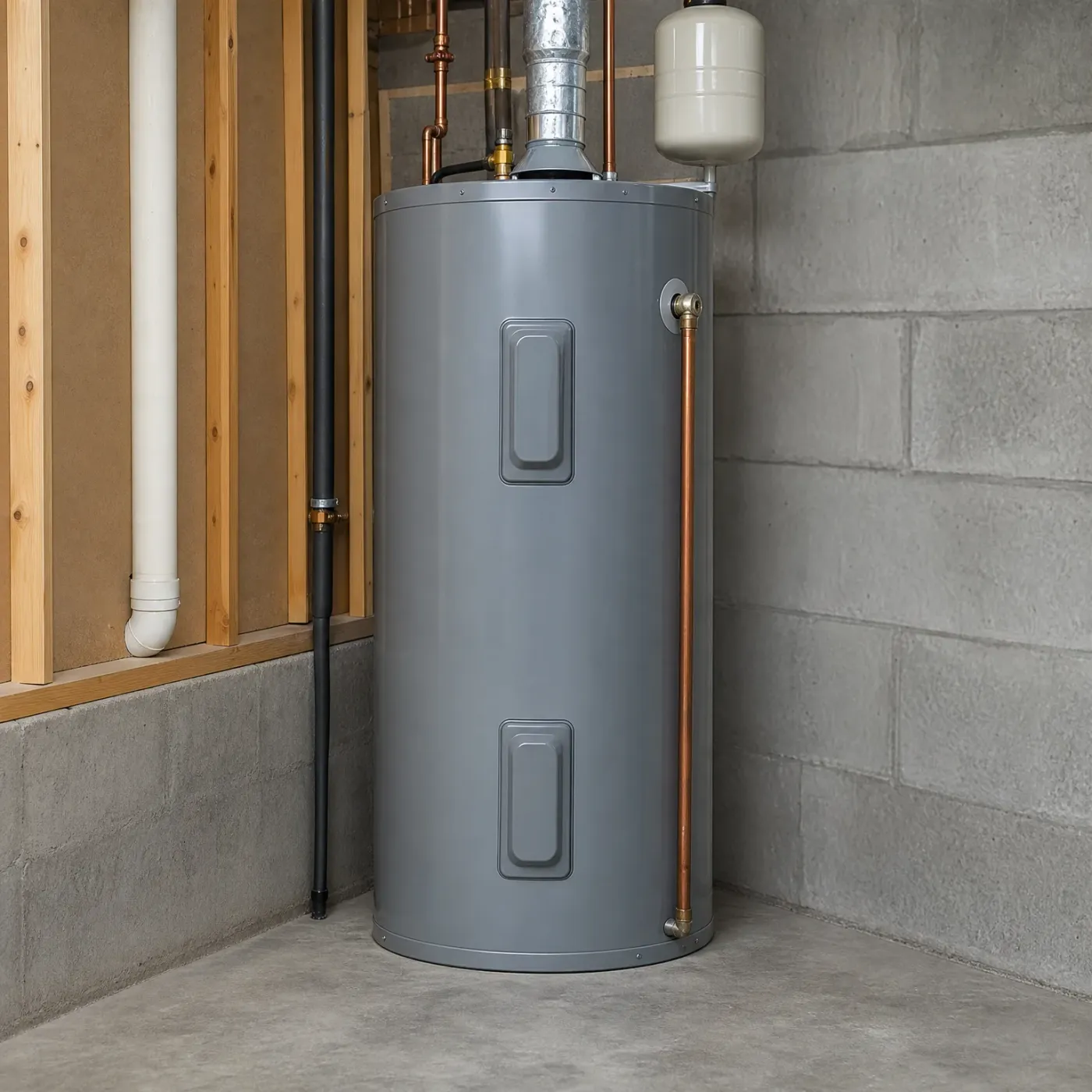
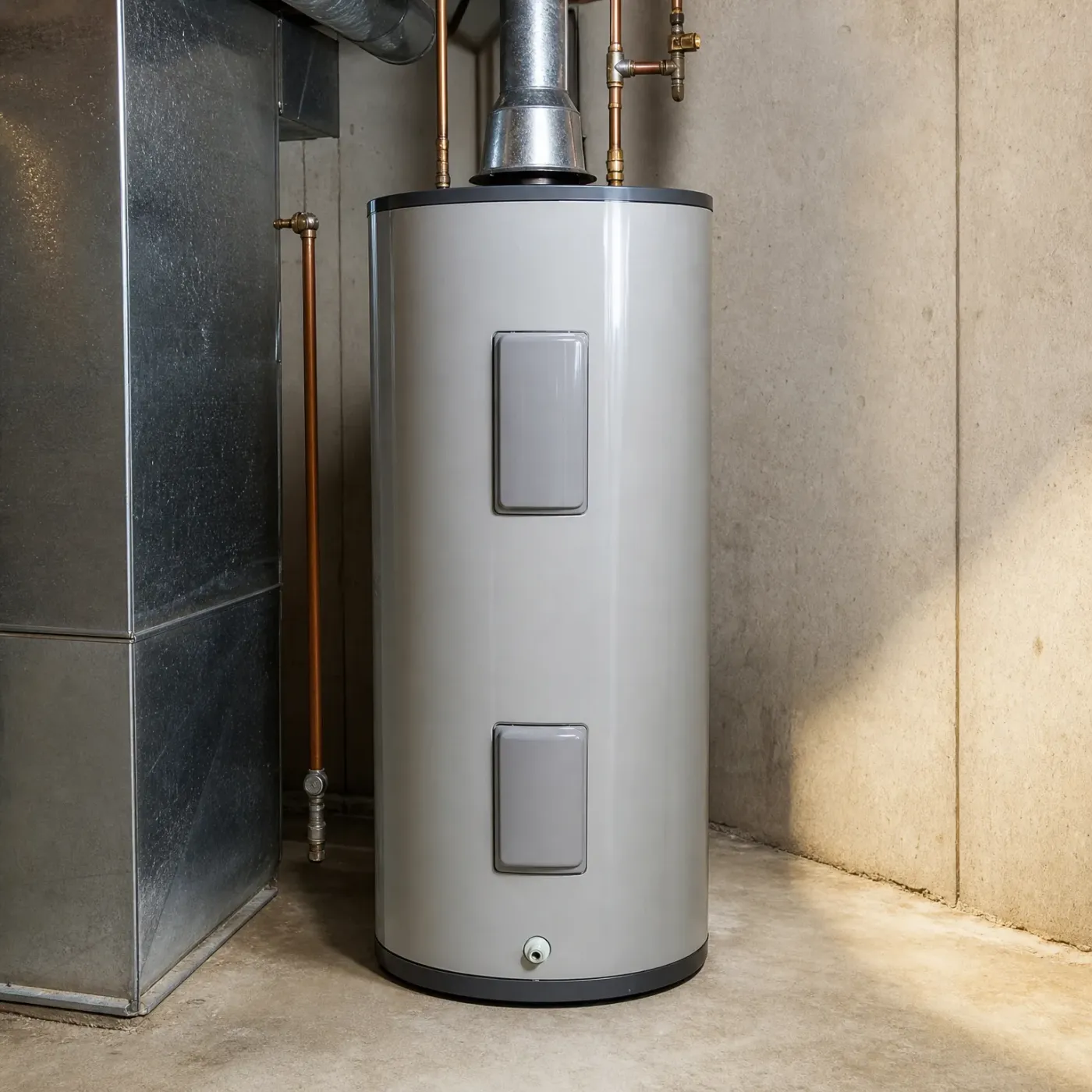
Electric water heaters here have two elements, one near the top of the tank and one near the bottom. The bottom one does most of the work heating water coming in, and it sits right where sediment collects. Once that layer builds up, the element has to push heat through it before the water above ever warms. It still pulls the same amount of power doing that. A proper flush means opening the drain valve at the bottom of the tank and letting it run until the water comes out clear, not just draining off a bucket's worth. Skip it for a few years and the sediment can bake onto the tank wall, where it holds heat against the metal and wears the element down faster than it should. If your water takes longer to get hot after someone showers or runs a load of laundry, that is often the tank telling you it is carrying more than it should. A yearly flush is what keeps that bottom element working the way it was built to.
Where the sediment goes
- Mississippi's water carries enough mineral content that sediment builds up in the tank over a year of normal use.
- Sediment settles below the lower heating element and that element has to heat through it to reach the water above.
- A heating element working through a layer of sediment draws the same power but moves less heat into the tank.
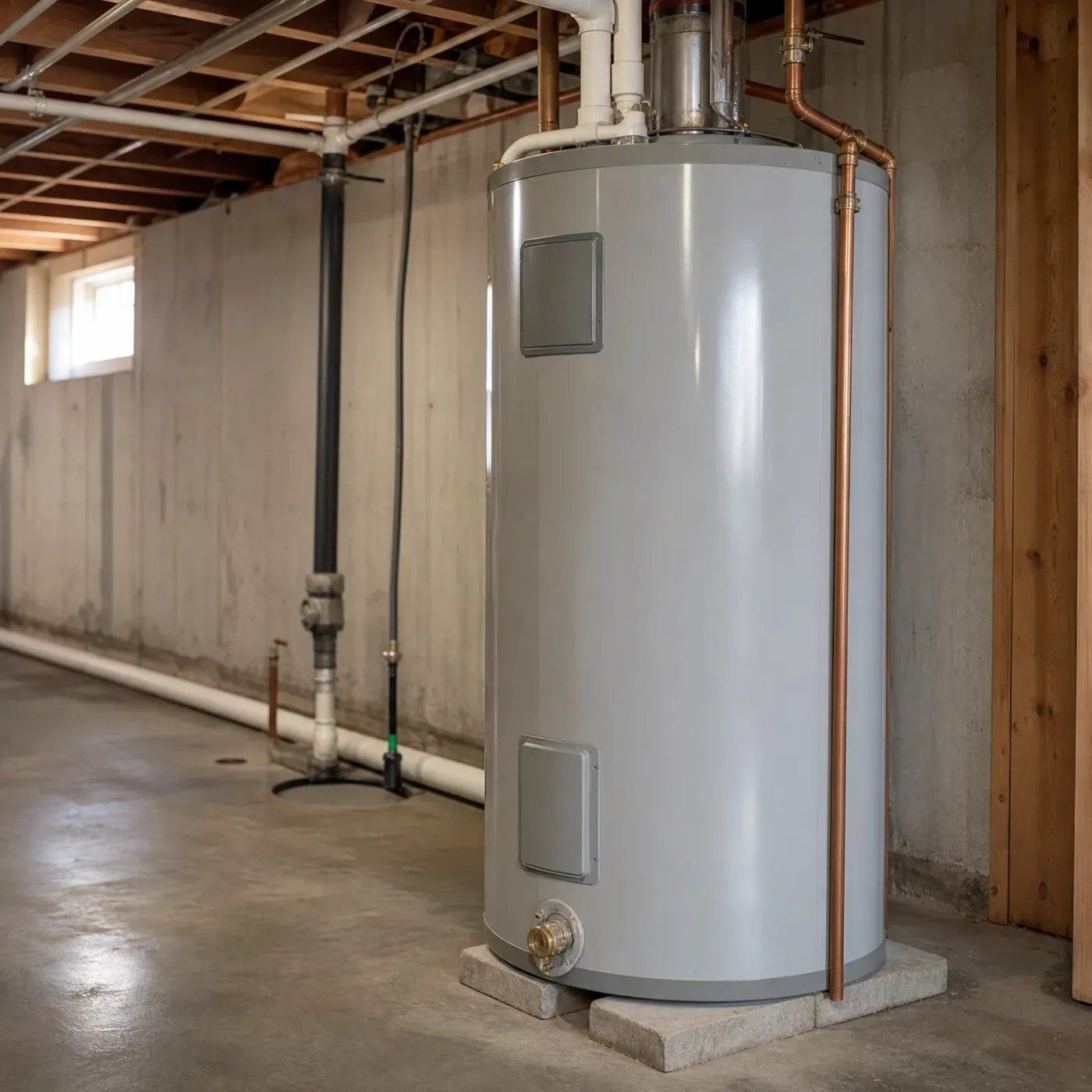
- Flushing means draining the tank fully through the drain valve near the bottom, not just running a bucket or two out.
- Sediment left for several years can harden against the tank wall and shorten the life of the heating element.
- A tank that takes longer to recover after a shower or a load of laundry is often carrying sediment it hasn't shed.
Matched to your water heater job
Send the form, and lining up the water heater tune-up stops being yours to chase.
A local pro who knows water heaters gets your details and gets in touch.
No fee to send it, and nothing to sign.
Is your water heater acting slower than it used to
You might notice the water takes longer to get hot, or it doesn't stay hot as long as it used to, especially if your household is running the dishwasher and a shower back to back. Some homes hear a low rumbling or popping from the tank itself. That sound is sediment shifting around under the lower element as it heats. Your water bill might also creep up, since the element is working harder to push heat through that layer. Left alone long enough, a lower element can burn out early from the strain, and you're stuck replacing a part that would have lasted if the tank had been flushed on schedule.




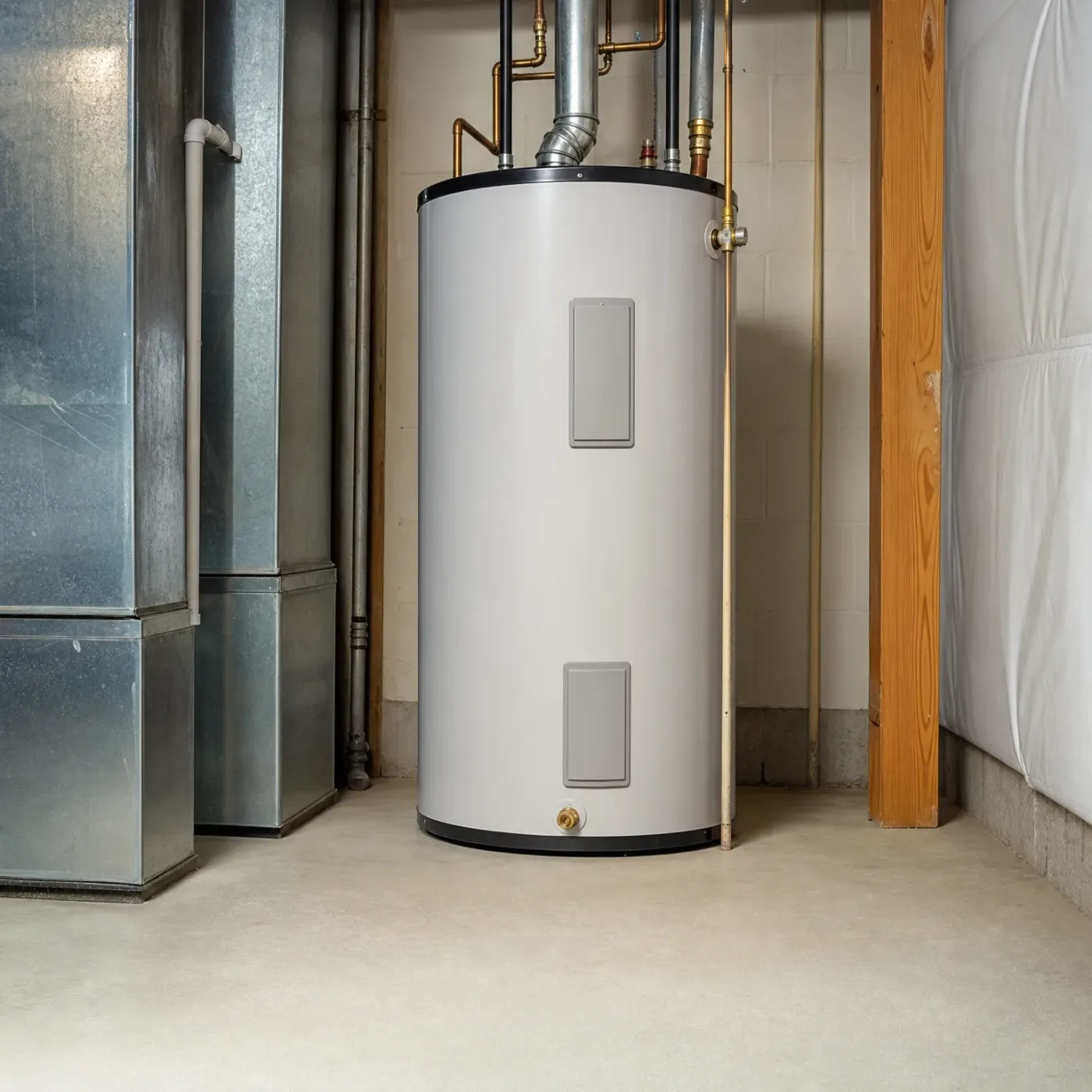
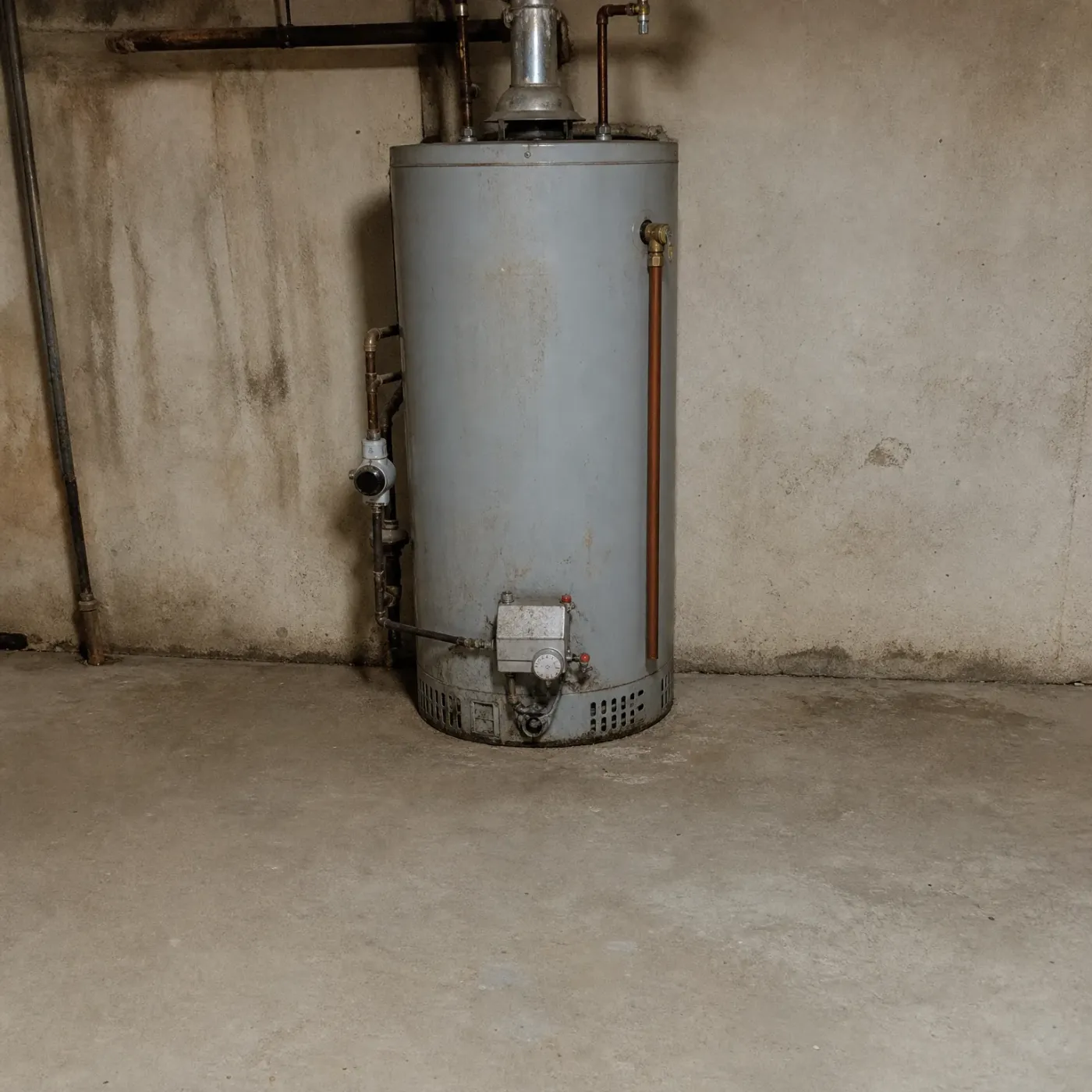

Shut off the power or gas to the water heater first
Close the cold water valve feeding the tank
Connect a hose from the drain valve to a floor drain
Open the drain valve and let the tank empty out
58.9% of homes statewide heat with electricity
Most Mississippi homes run on electric water heaters, and that lower element is doing the heating alone with nothing to back it up. Once sediment coats it, that one element has to push harder to get your water hot, and your bill shows it.
ACS 2020-2024 5-year B25040
Once a Year, On Schedule
- Once a year keeps the sediment layer from building up against the lower element in an electric tank.
- Skip the yearly flush and that layer hardens, making the element work harder through every heating cycle.
- A clean tank gets your water hot the way it did when the unit was new, without the extra strain.
- Mississippi's water leaves enough mineral behind over twelve months that this one interval matters more than guessing at it.
- Slower hot water or a rumbling tank are signs the flush is already overdue.
- Once you send the form, finding someone to handle this stops being on your plate.
A water heater in Mississippi needs a flush once a year. That's the answer, and everything else on this page is why. Electric tanks, which most homes here run, have one heating element near the bottom doing all the work, and sediment settles right where that element needs clean water to heat through. Twelve months is how long it takes mineral content in this state's water to build a layer thick enough to matter. Wait longer and the element doesn't get a break, it just works through hardened sediment every time someone runs a shower or starts the dishwasher. That shows up as water that takes longer to heat, or a tank that rumbles while it's working. None of that happens to a tank that gets flushed on schedule. The element stays clean, the water heats the way it did when the tank was new, and the bill doesn't carry the extra cost of an element straining against buildup. If what you're noticing lines up with a flush that's overdue, the fix is a known one and a contractor handles it start to finish. Send the form and that part stops being something you have to track down yourself. You've already done the part that takes effort, which is figuring out what's going on and when it needs attention. The rest is a matter of getting the right person on it.
A water heater pro near you
Send the request and finding a pro stops being your problem.
Sending the form costs nothing.