How often to flush a water heater in Pearl, MS

Fill out one form instead of calling around for a water heater tune-up.

Skip calling around

How often should I flush my water heater in Pearl, MS?

Water heaters work quietly in the background until the day they don't, and most homeowners only think about flushing one when they hear something or notice the hot water isn't what it used to be. If you're trying to figure out a schedule that actually fits your house in Pearl, the water itself has a lot to do with the answer.

Once a year, give or take

Flush your water heater about once a year. Rankin County water carries enough dissolved minerals that they settle out as sediment on the bottom of the tank over time. That layer builds slowly, so a year is usually enough for it to show up as a change in how the unit runs. A tank with sediment sitting on the bottom has to work through that layer before the heat reaches the water above it, which means longer run times and less hot water than you're used to. Gas water heaters are hit harder, since the sediment sits right over the burner. Flushing once a year clears that buildup before it turns into a noisy tank or a heating element that fails early.

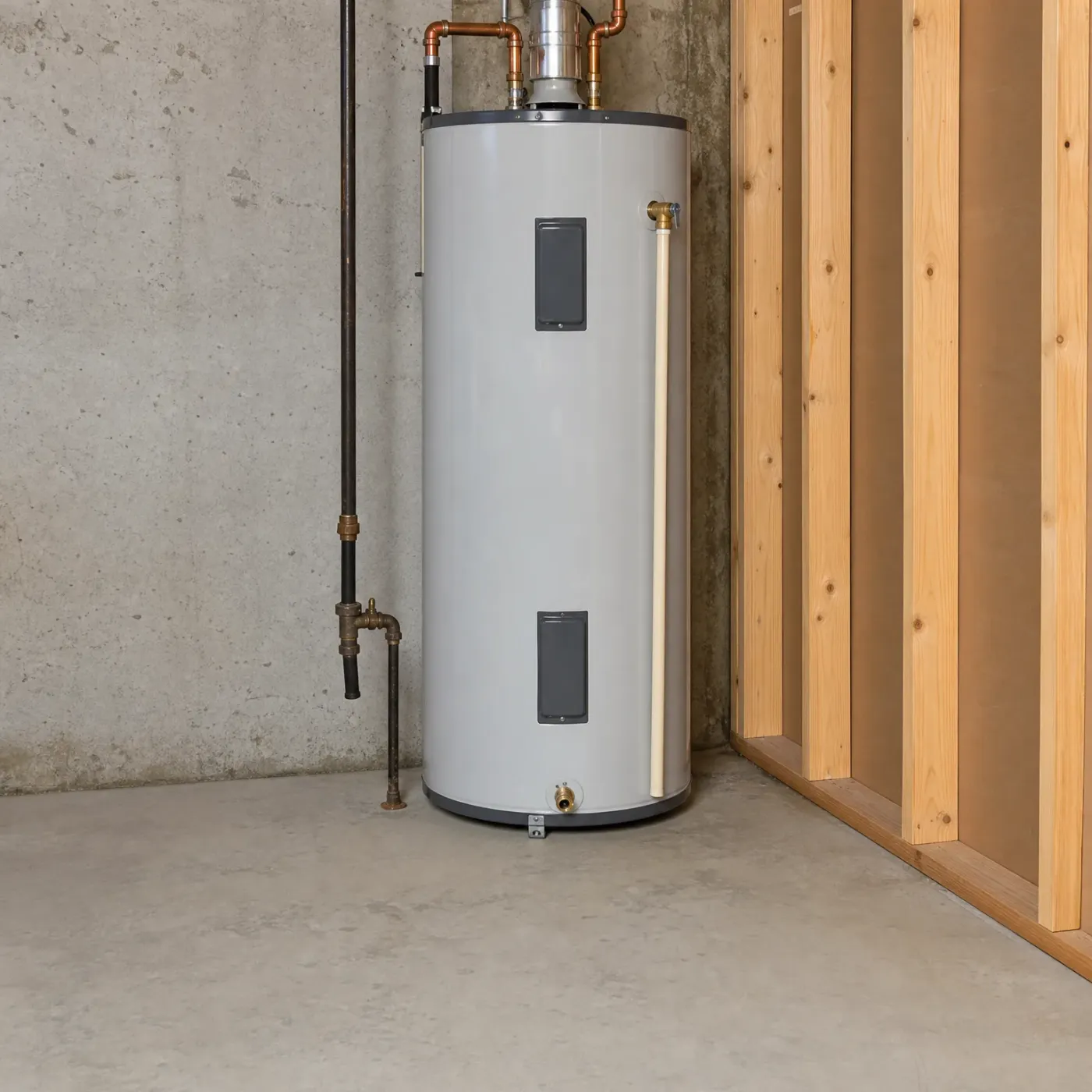
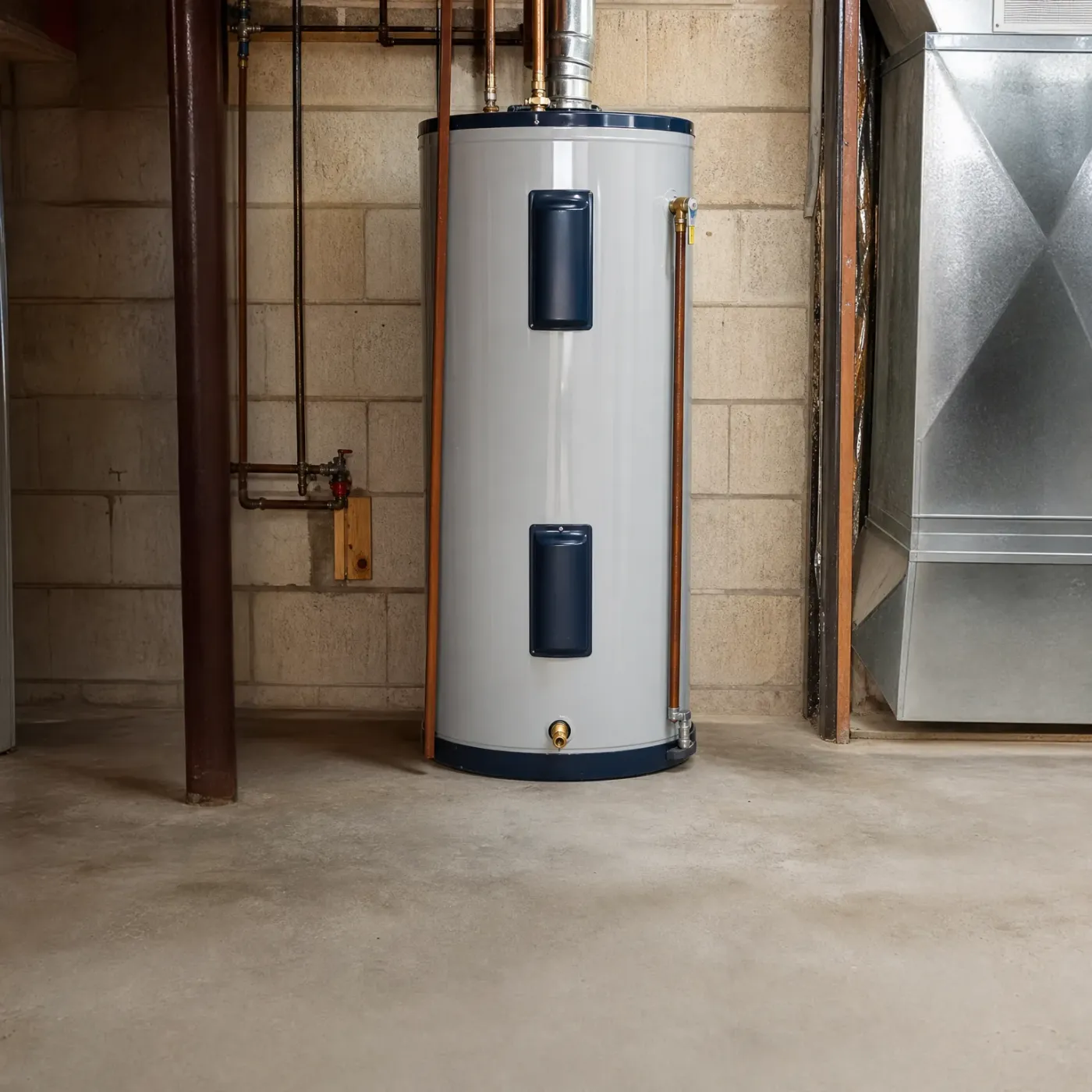
A white cylindrical water heater with two dark access panels stands on a concrete basement floor against a concrete block wall, with copper pipes, a flue duct above, and sheet metal ductwork at right.

Flushed on schedule

A tank that gets flushed stays quiet. Water comes out clear, the burner or element heats without fighting through sediment, and the tank holds its full capacity. This is what a water heater looks like when it's kept up with, year after year.
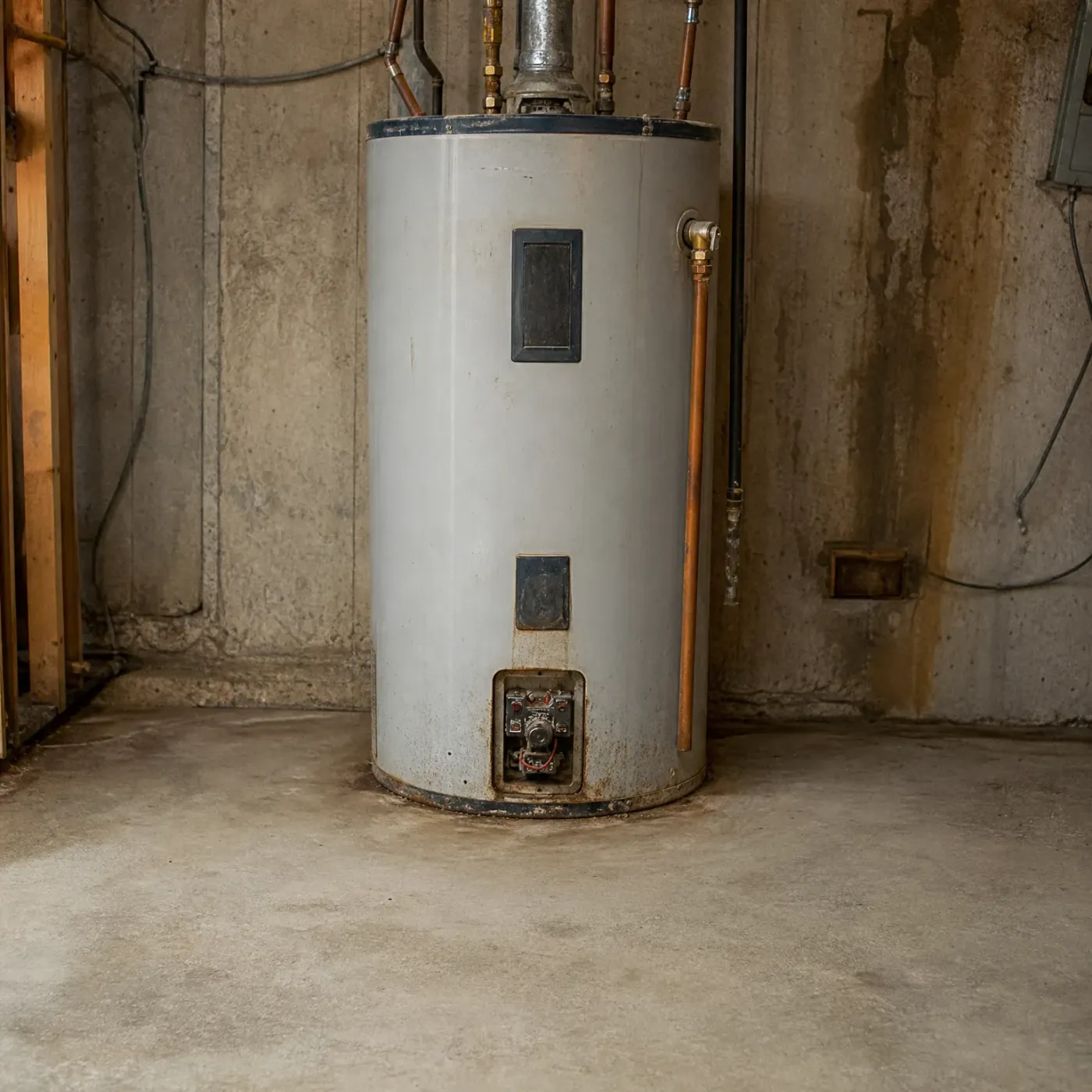
A white cylindrical water heater with copper piping and a gas control valve stands against a stained concrete basement wall on a bare concrete floor.

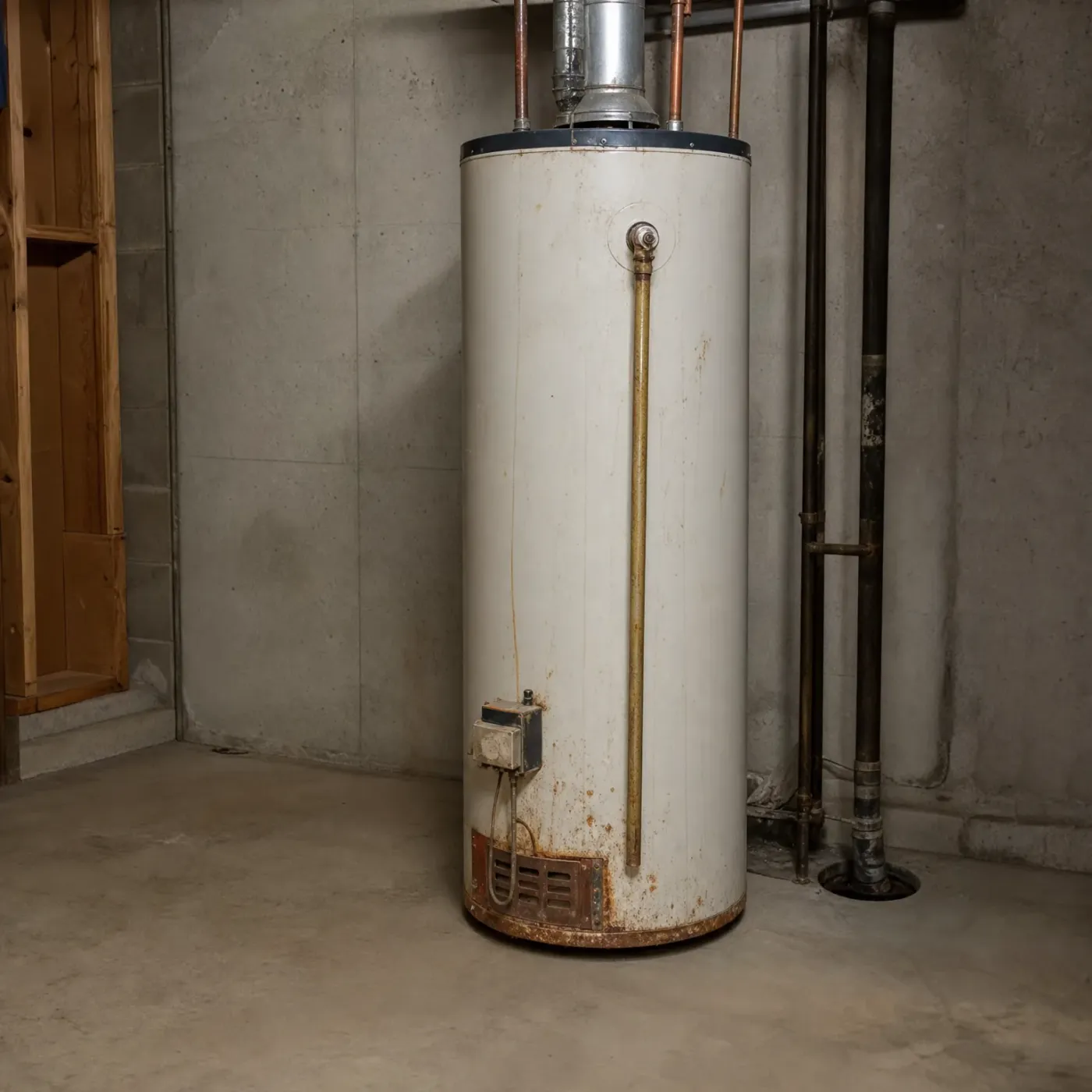
Left alone too long

Sediment settles at the bottom and hardens over time, and rust follows once the tank's lining starts to wear through. You'll notice it as popping or rumbling sounds, less hot water than before, or rust showing on the tank itself like this one.

What does your household actually ask of your water heater?

  • 2.56 people per household on average

    A typical home here runs 2.56 people's worth of showers, dishes and laundry through that tank, and sediment builds in proportion to how much water moves through it.

  • Half the homes here were built by 1995

    Half the homes in Rankin County went up in 1995 or earlier. If yours is one of them, check whether the water heater is original or a replacement before you guess at its age.

  • 47.1% of homes heat with electricity

    Most homes here heat water with electricity, and sediment sitting over an electric element burns it out faster than it would wear down a gas burner.

ACS 2020-2024

Rankin County's water runs hard enough that sediment collects faster than in places with softer supply. Left alone, it settles on the bottom of the tank and sits between the burner or element and the water it's supposed to heat.

That layer acts like insulation in reverse. The heating element has to push harder and longer to get the same result, and the tank holds less hot water than it's rated for until the sediment is flushed back out.

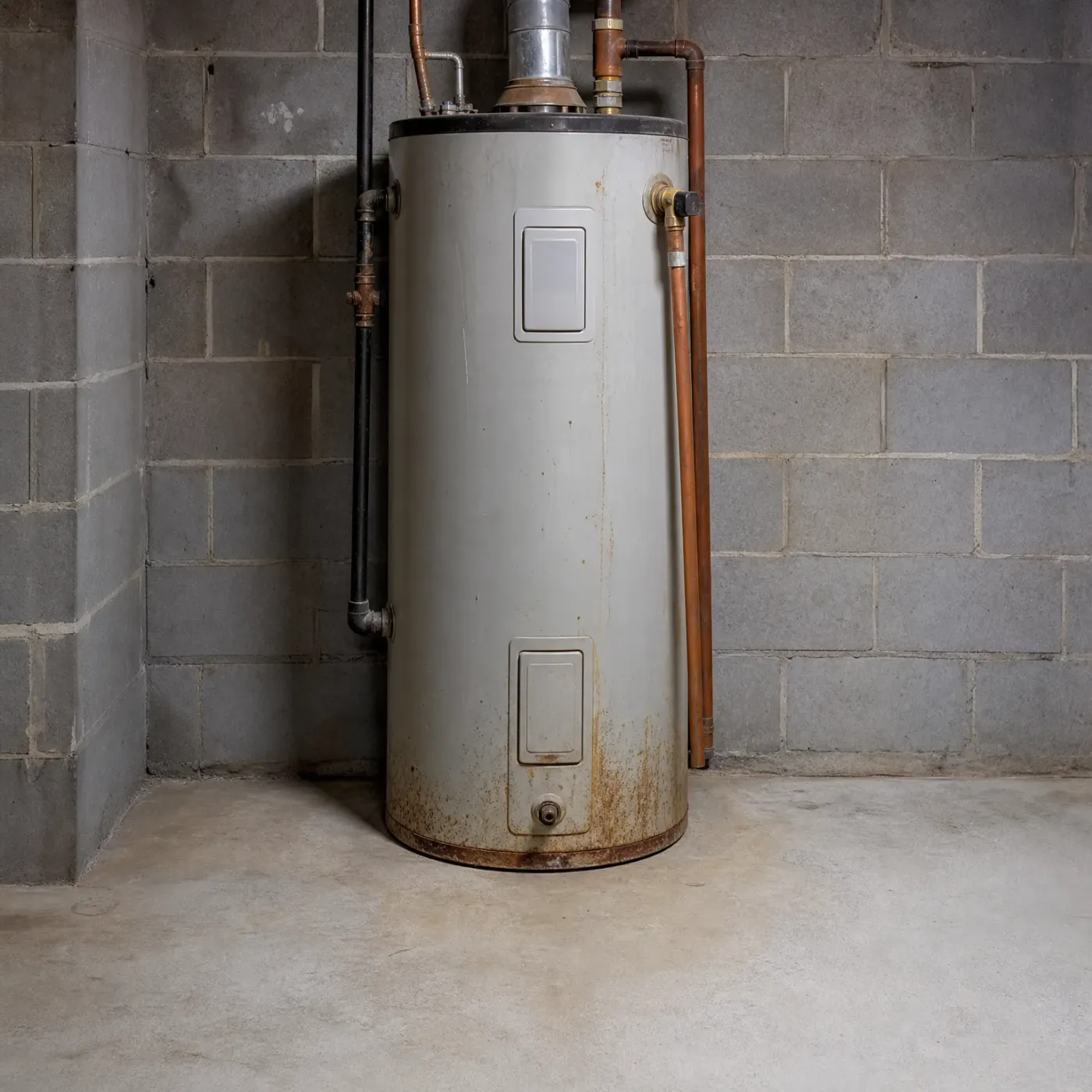
A rust-streaked cylindrical water heater with copper and black metal pipes stands in a concrete-block basement corner on a bare concrete floor.
Before you get your water heater maintenance
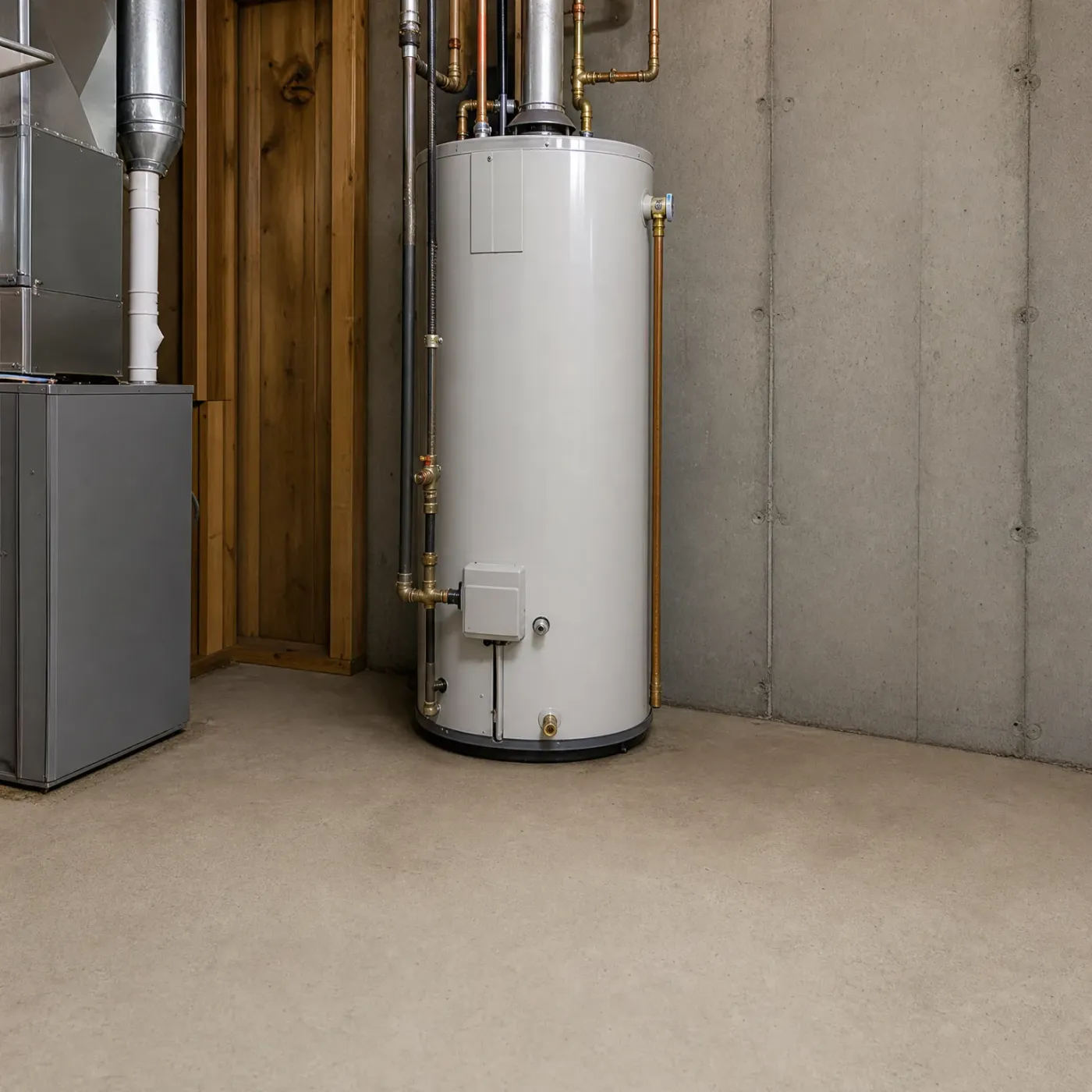
A white cylindrical gas water heater with copper and steel pipes stands against a concrete basement wall beside a gray furnace and wood-paneled wall.
After you get your water heater maintenance

Skip the flush

Sediment keeps settling under the burner or element. You'll notice popping or rumbling sounds first, then slower heat recovery, then less hot water than your tank is rated for.

Fill out one form

One call to a local pro

A licensed local contractor who flushes tanks all over Rankin County every week handles it, instead of you sorting through companies and repeating the same explanation on the phone.

Fill out one form

Why is my hot water running out faster than it used to?

You turn on the tap expecting hot water and it runs lukewarm before the shower's done. The water heater takes longer to recover between uses, and sometimes you hear a low rumble or popping from the tank while it heats. The water out of the tap might run a little cloudy or carry a faint mineral smell. None of that means the unit is failing. It usually means sediment has built up on the bottom of the tank and the burner or element is heating through it instead of the water. Left alone, that layer keeps growing, the tank works harder to do the same job, and the heating element or burner underneath it wears out sooner than it should have.

  1. Shut off the power or gas before starting

  2. Close the cold water valve feeding the tank

  3. Hook a hose from the drain valve to a floor drain or outside

  4. Open the drain valve and let the tank empty

A light gray cylindrical water heater with two access panels stands on a concrete floor against a concrete wall, with copper and black pipes beside it and an unfinished wood stud wall to the right.
A water heater kept on a flushing schedule drains clear and holds its full capacity year after year.
An older white gas water heater with rust staining and an exposed vertical pipe stands against a concrete block basement wall, with a metal flue above and black vertical pipes to the right.
Sediment left to sit turns the tank base to rust, and that failure starts at the bottom where you can't see it.

Flushing It Yourself or Calling a Pro

Flush it yourself

  • You need a hose long enough to reach a floor drain or the outside, plus a way to shut off power or gas safely first.
  • Hard water here means sediment comes out heavier than you'd expect, and a clogged drain valve is common if the tank hasn't been flushed in a while.
  • There's no one checking the anode rod, the pressure relief valve or the burner while you're down there, so problems beyond sediment go unnoticed.
  • If the drain valve seizes or cracks, you're now dealing with a leak on top of the job you started.
  • Doing it wrong, like skipping the gas shutoff or not breaking the vacuum with an upstairs tap, can mean a tank that won't drain or worse.

Hire a local contractor

  • A licensed contractor working in Rankin County sees this water and knows how fast sediment builds in tanks around here.
  • One call gets you one company, not a string of quotes to compare and callbacks to manage.
  • The same visit usually covers checking the anode rod and the pressure relief valve, not just draining the tank.
  • If the drain valve is stuck or corroded, a contractor who does this regularly has a way to deal with it without damaging the tank.
  • You skip the research and the back and forth, since someone who already knows this equipment is handling it.
A woman in a cream sweater with her hair in a bun laughs while seated at a stone counter holding a glass of red wine, in a dimly lit interior with a sofa, houseplants and a large window at night.
A woman with long dark hair in a cream knit sweater laughs while looking off to the side, seated in front of a dimly lit kitchen with an island, stools, open shelving and a potted plant, with a glass of red wine in the foreground.
A smiling woman with long dark wavy hair in a light knit sweater sits at a marble counter with a glass of red wine, with a dimly lit living room and kitchen in the background.
A smiling woman with long wavy brown hair in a beige sweater sits at a white marble counter with a glass of red wine, with a living room, dining table and kitchen cabinets behind her.

No phone calls to make

The pro who gets in touch is licensed in Mississippi and works in Rankin County.

You're not committing to anything by asking.

What's Actually Happening Inside the Tank

  • The anode rod inside the tank corrodes on purpose so the steel tank doesn't have to.
  • Once that rod is used up, sediment and minerals start attacking the tank wall itself.
  • A gas water heater's burner sits under the tank, so sediment there blocks heat before it reaches the water.
  • An electric water heater's lower element sits inside the sediment layer, so it can burn out from overheating against the buildup.
  • Draining a few gallons first lets you check whether the water runs cloudy or carries visible grit before a full flush.
  • The drain valve itself is usually plastic and can clog or fail if it's never been opened before.

Every tank water heater has an anode rod running through the middle of it. That rod is made to corrode. It's a sacrifice, meant to draw the corrosion away from the steel tank so the tank itself stays intact. As long as the rod still has metal left on it, it's doing its job. Once it's used up, Rankin County's hard water starts working directly on the tank wall instead, and that's a different kind of problem than sediment buildup.

Where the heat comes from matters too. On a gas water heater, the burner sits underneath the tank, so any sediment layer forms right between the flame and the water it needs to heat, and heat has to push through that layer first. On an electric water heater, the lower heating element is mounted inside the tank itself, down in the same zone where sediment settles. When that element is buried in buildup instead of surrounded by water, it runs hotter than it's built for and can burn out.

Before committing to a full flush, draining the first few gallons tells you something. Clear water means less buildup. Cloudy water or visible grit means more. Worth knowing before you start: the drain valve is usually plastic, and on a tank that's never been flushed, it can be stiff, clogged, or fail to close back up tight once it's opened.

Power here costs 13.94 cents per kilowatt-hour

That 13.94 cents a kilowatt-hour is what an electric water heater here runs on, since most homes in the area heat water with electricity. Sediment sitting on the bottom makes the element work through it to heat your water, so you pay that rate longer than you should for the same tank of hot water.

EIA-861 2025

A gray cylindrical water heater with two access panels stands on a concrete floor beside copper and black pipes, a blue expansion tank, and an electrical box against a light wall.

Finding someone who'll show up

Most people put off calling about a water heater because the search itself is a chore. You'd be looking up contractors, calling a few, explaining the popping sound or the lukewarm water twice over, then waiting on quotes to compare. A request through this page goes to one licensed contractor working in Pearl, not a handful of companies competing for the job.

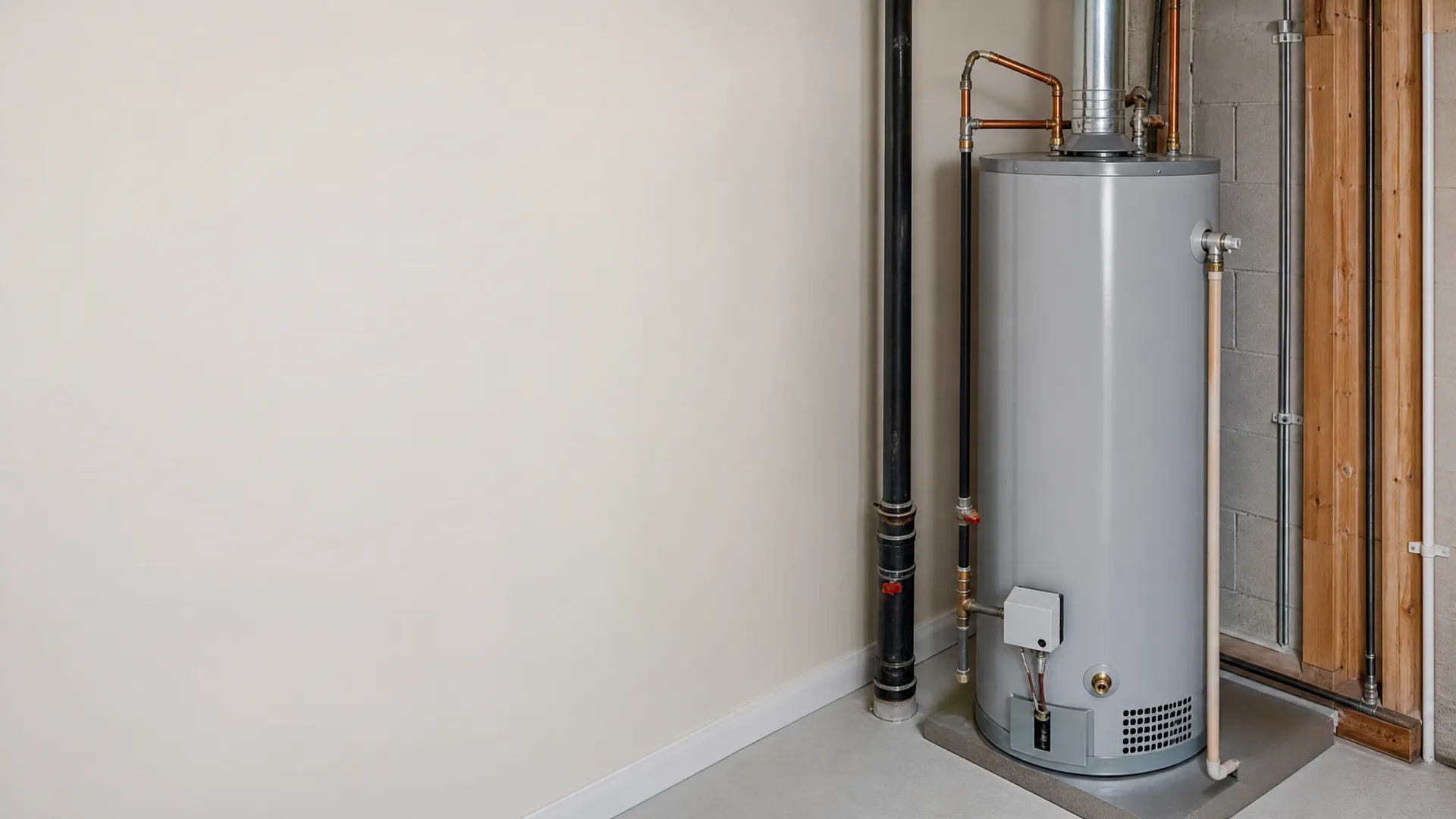
A gray gas water heater with copper and black pipes and a metal flue stands in the corner of a room with a beige wall, concrete block wall, and wood studs.

Someone who knows this tank

A contractor working Rankin County flushes tanks dealing with this same hard water all the time, so they know where sediment usually sits and what a stuck drain valve on an older tank takes to open. That's different from a stranger looking at your unit for the first time. You explain it once, and the work gets scheduled.

Flush your water heater once a year with Rankin County's water. That's the answer, and everything above shows why: the hard water here, the sediment it leaves, the rumbling and the shrinking hot water supply when it's skipped. Once you know that, the only thing left is getting it done, and that doesn't mean working the phones. A local contractor who handles water heaters all over this area already knows what hard water here does to a tank, has likely seen the same popping sound and the same slow recovery in a dozen houses near yours, and comes out to do the flush rather than talk you through another round of quotes. You deal with one licensed contractor, not a string of callbacks from companies competing for the job. Your tank gets flushed, the sediment goes out with the water, and you're back to not thinking about your water heater until next year.

A modern two-story house with dark siding and stone base at dusk, with lit soffit lights, a path of large rectangular pavers set in dark gravel, planting beds, a lawn, and an orange and blue sunset sky above distant trees and water.

Water Heater Maintenance

One form, no calling around

Step 1 of 3: Equipment
  • A dimly lit living room corner with a beige upholstered sofa holding a dark green cushion and a chunky knit throw, beside a wooden sideboard with a lit ceramic table lamp, a small potted plant, and a wooden bowl, with a framed artwork on the wall and a mug on a book in the foreground.
    • Your water heater tune-up request goes to a pro who covers Rankin County.
    • Get matched with a pro who does water heater tune-ups in Rankin County.
  • A round wooden coffee table holding a round stone vase of green foliage, a lit candle in a glass container, and a small dark bowl, with a beige sofa, cushions and knit throw behind and a window at left.
    • Send the form, and lining up the water heater tune-up stops being yours to chase.
    • Send the form and the water heater tune-up stops being something to remember.
  • Sunlit living room with a wooden coffee table holding a ceramic vase of leafy branches and a carved wooden tray with two stacked books, in front of a beige sofa with tan and green cushions and a potted plant near a window.
    • Explain the job once and skip repeating it on every call.
    • Skip searching for a water heater pro and answer a few questions instead.
  • Interior corner with a lit ceramic table lamp and wooden bowl on a wood sideboard, a framed picture and branch-filled vase behind, a knit throw over an upholstered chair, and a lit candle in a glass holder, stoneware mug and round planter of green foliage on a wooden table in the foreground.
    • Your request goes to one pro, not a list of companies.
    • The pro who reaches out is licensed in Mississippi.