Electric tank
Costs less to install and recovers fast once the elements are sized right for your household. A qualified installer sets the thermostat and wiring so it keeps up without tripping the breaker.
 Start one form
Skip searching for a water heater pro and answer a few questions instead.
Your water heater is on its way out, or it's already out, and now you're trying to figure out whether to replace it with the same kind of tank or switch to tankless. Most homes in Mississippi heat water with electricity, and that choice affects what tankless would even look like for your house, since electric tankless units draw a lot of power at once. That's worth working through before you decide anything.
Figuring that out yourself usually means calling a few plumbers, explaining your setup to each one, waiting on quotes, and trying to compare answers that don't quite match because each contractor looked at something different. That's hours you don't get back, on top of not having hot water in the meantime.
This page connects you with one licensed plumber local to you, someone who installs both tank and tankless units in Mississippi homes and knows what that means for a house wired the way yours likely is. You explain your situation once. You're not fielding calls from five different companies trying to win the job. You get one contractor who can look at your electric service, your water use, and your current setup, and tell you straight which option makes sense and what installing it actually involves.
Below, you'll find how tank and tankless compare for a home like yours, what electric service tankless requires, and what a muggy Mississippi summer does or doesn't change about the decision. Once you've read through it, the button on this page puts you in touch with that plumber directly.
Your old water heater is failing or already gone, and the plumber or the big box store has asked whether you want to replace it with the same kind of tank or go tankless instead. It sounds like a simple upgrade decision, but the answer depends on how your home gets its power and what that means for installing a tankless unit versus just swapping in another tank.
Most homes in Mississippi heat water with electricity, and electric tankless units need a lot of power to heat water on demand, often more than a typical home's electrical panel can supply without upgrading the wiring and breaker box. That upgrade adds cost and work that a straight tank swap doesn't need. A tank heats water in advance and stores it, so it works fine on standard household electric service. If you already have a tank and the space for one, replacing it with another tank is usually the faster and less disruptive path. Tankless can still make sense for some homes, but it depends on what your electrical setup can support, and that's worth having a licensed installer look at directly.
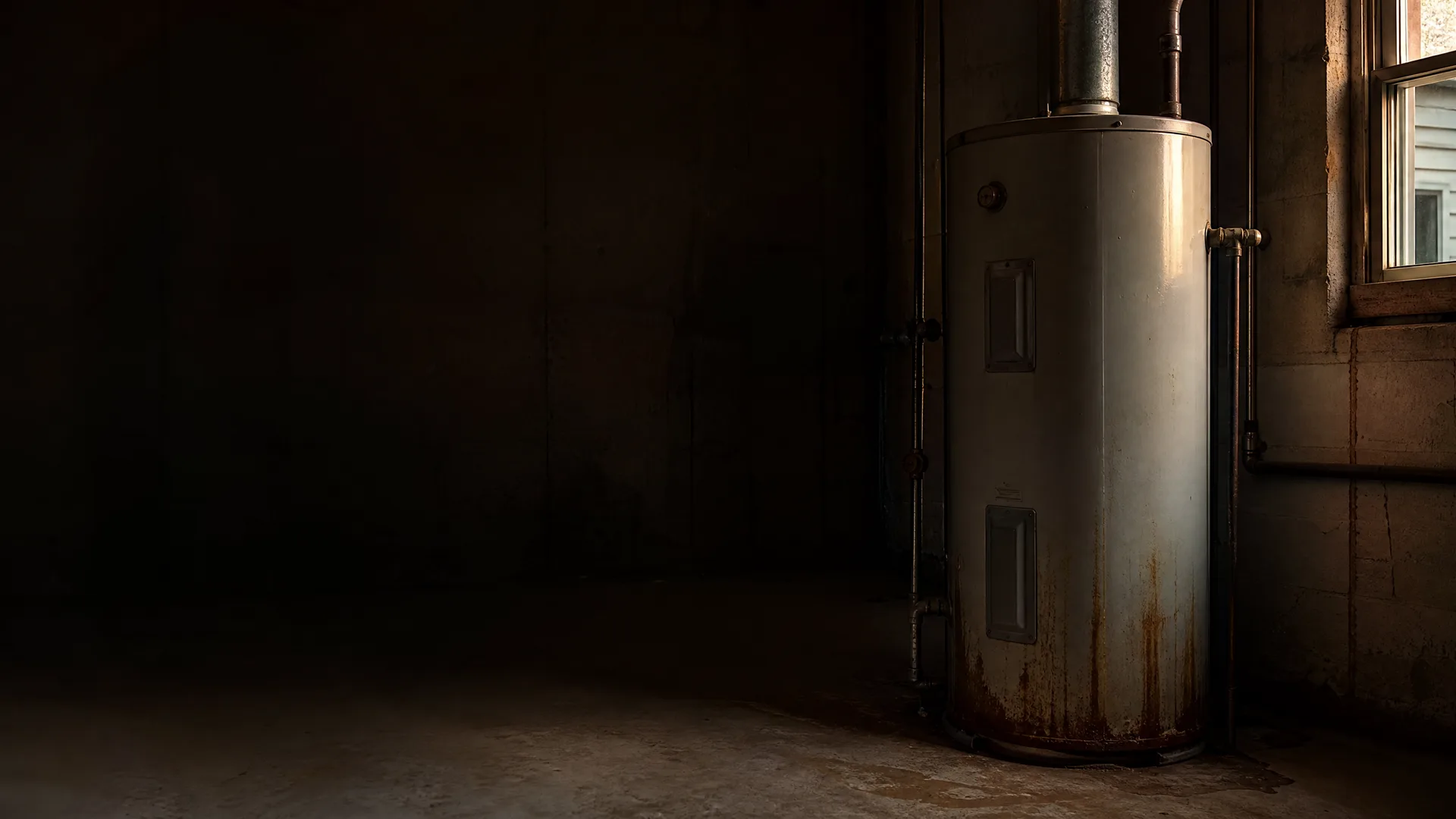
You go down to the utility room after dinner to grab something from the chest freezer, and your bare foot finds a damp spot on the concrete before you see it. The light's dim back there, just the one bulb, and it takes a second to notice the streaks running down the side of the tank, rust-colored, pooling at the base where the floor dips. The heater's been making a ticking sound for a few weeks, easy to ignore with the TV on upstairs. It's not ignorable now. You crouch down, touch the water, and it's warm. Whatever's left in that tank is leaking out onto the floor, slow but steady, and it isn't stopping on its own.
Figuring out whether a tank or a tankless unit makes sense for your house, on electric rates, in a Mississippi utility room, takes someone who installs both and knows which one fails less in homes like yours. Finding that person yourself means calling around, telling each one the same story about the water heater and the electric panel and the space it sits in, then waiting on quotes to compare line by line. Someone who installs water heaters in Mississippi every week already knows what electric tankless units need to run here and whether your panel is likely to handle it, and what tank sizes hold up under a household like yours. Handing the job to one local, licensed contractor means you explain it once, to someone who already knows the local answer, instead of fielding calls from several companies all asking the same questions. You still have a water heater to deal with, today or soon, and the part worth skipping is the search for who should do it.
An electric tankless unit heats water the moment you open the tap, and it has to pull enough current to raise the temperature of every gallon passing through it right then. Groundwater coming into a Mississippi house is already warm most of the year, which helps, but a shower and a washing machine running together still ask the unit for more flow than one heating element can deliver at full temperature. That's why whole-house electric tankless often means two or three heavy-duty elements and a breaker panel with room to spare. A tank heats a reserve ahead of time and draws on it, so it doesn't face that same instant demand.
A standard electric tank keeps forty or fifty gallons hot around the clock, whether anyone's home or not, and that standby heat loss is the tradeoff for not needing the panel capacity tankless does. In a slab utility room that stays warm most of the year, the tank isn't fighting cold air the way it might in a colder state, so the loss is smaller than it would be elsewhere. The tank also has a limit: run the dishwasher, a shower, and the washer at once and you can draw it down faster than it recovers. A tankless unit sized for your house doesn't have that ceiling, as long as the panel can feed it.




Costs less to install and recovers fast once the elements are sized right for your household. A qualified installer sets the thermostat and wiring so it keeps up without tripping the breaker.
Takes a dedicated electrical setup sized for Mississippi groundwater temperatures. Installed correctly, it won't run out of hot water, but undersized wiring or panel capacity causes problems later.
The water takes longer to turn hot than it used to, or it runs out halfway through a shower when it never did before. You might hear a low rumble or popping from the tank, that's sediment sitting on the bottom and burning against the metal. A rusty tinge in the hot water, or a smell when it runs, points the same direction. Check around the base for dampness or a puddle, even a small one. A tank that's leaking at the seams or the fittings is done, and water sitting on a concrete floor in a Mississippi utility room will find its way into drywall and baseboards if it's left alone. None of this gets better on its own.


With most Mississippi homes heating water with electricity, your installer is sizing elements and wiring for the same power setup your neighbors have. A tank or tankless unit both run on it fine, but the choice changes how much current your electric panel has to supply on demand.
ACS 2020-2024 5-year B25040
A tank costs less to put in and recovers fast once the elements match your household. Tankless runs endlessly but asks more of your electrical panel and your patience with upfront work. Neither one is the wrong answer, it depends on your panel, your household, and what you're willing to pay for up front versus what you're willing to wait on later. What matters now is getting it sized and wired right for your house, not just dropped in to match what was there before. A licensed Mississippi installer who works on both tank and tankless systems every week has seen which one holds up in homes like yours and which elements or breakers tend to give out first. You'll be working with one contractor who knows the local electric setup, not a handful of companies competing for the job and working the phone at you. That's someone who can look at your panel and your utility room and tell you straight which unit makes sense here.
One installer gets your project, so there's no bidding war over it.