

Quiet tank, clean bottom
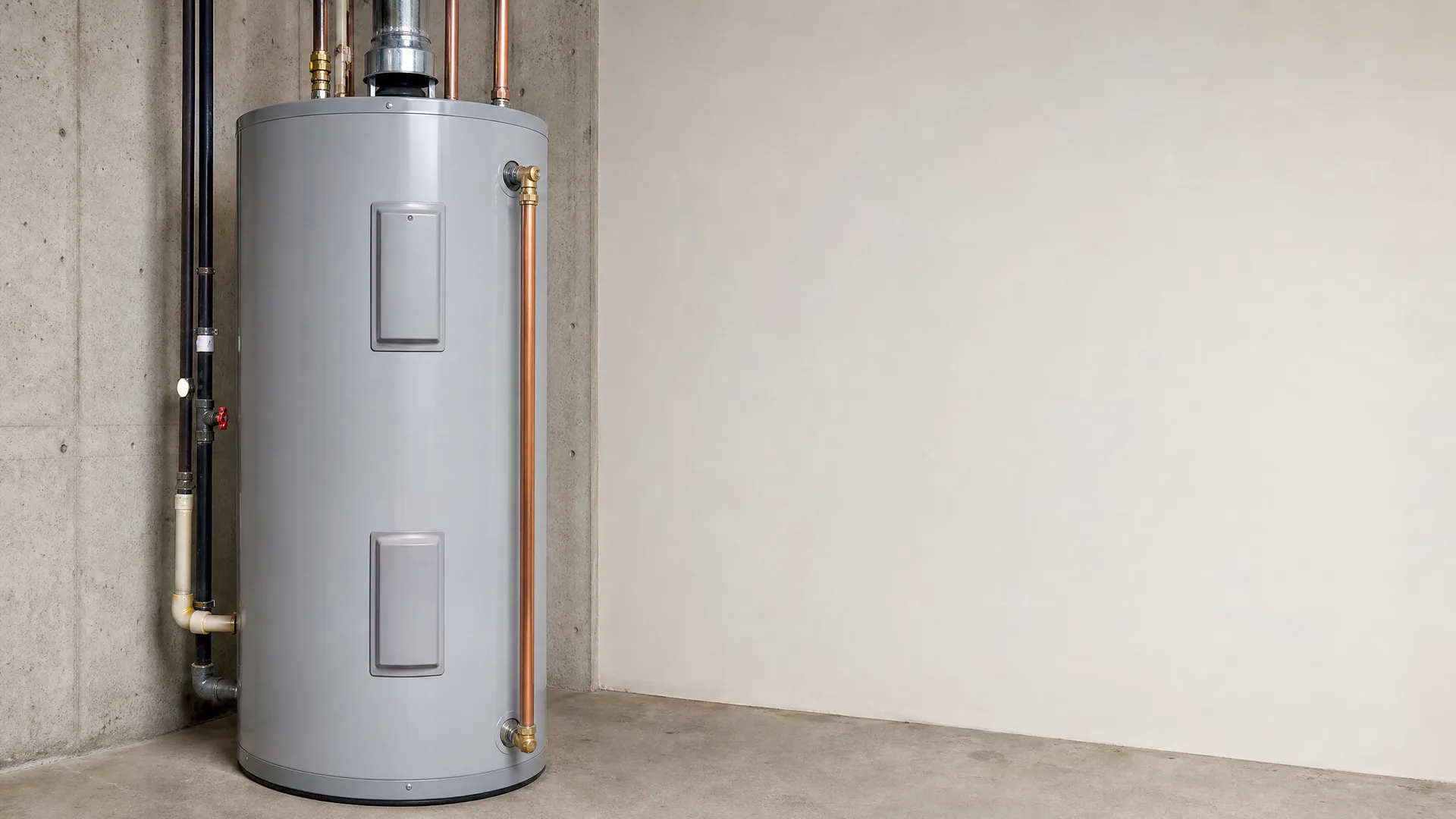
This tank heats without a sound. The gas line, flue vent and expansion tank are all doing their job, and the burner underneath is firing against bare metal, not a layer of grit. Water passes through and heats evenly.
That popping sound means sediment has built up at the bottom of your tank, and it tends to get worse, not better, on its own. In Hinds County, water heaters run hard most of the year between the long muggy summers and the showers everyone wants after them, and a tank that's been popping for a while is often working harder than it should. Figuring out whether it needs a flush, a new element, or something else depends on the unit in front of it, which is where a local contractor comes in. Submit your information here and you'll be matched with a licensed contractor who works in the Jackson area and knows what tends to go wrong in tanks like yours. It's one contractor, not a handful calling at once, so you can talk through what you're hearing and get a straight answer about what it means for your water heater.
Your water heater has started popping or rumbling, maybe while it's heating up or right after someone runs hot water. It's not a sound you remember it making before, and it's loud enough that you've started wondering if something is wrong with the tank itself or whether this is just something water heaters do. You want to know what's actually happening inside the tank before deciding what to do about it.
Water carries minerals, and over time those minerals settle out and collect at the bottom of the tank. Once there's enough built up, the burner or heating element has to heat through that layer, and water gets trapped underneath it. That trapped water boils before the rest of the tank does, and the popping you hear is steam bubbles pushing up through the sediment. Jackson's water leaves mineral deposits like most places do, and a tank that runs hard all year, heating water for long showers through the hot months and whatever else the house needs, builds up sediment faster than one that barely gets used. The noise itself won't hurt anything right away, but the sediment layer underneath it makes the tank work harder and wears on the metal at the bottom over time.
Water in Hinds County carries minerals, and when the heater fires, it heats the water sitting at the bottom of the tank first. That's where the sediment has settled. Pockets of water get trapped under the layer of sediment and turn to steam. The steam bubbles push up through the sediment and collapse, and that's the popping you hear. The thicker the layer gets, the more water gets trapped, and the louder and more frequent the popping becomes.
Sediment sits between the burner or element and the water, so the tank has to work harder to get the same amount of hot water to temperature. On a gas tank, that layer can also hold heat against the steel bottom longer than it should, which is how tanks develop cracks and leaks years before they'd otherwise fail. None of this reverses on its own. The sediment stays unless someone flushes the tank, and in the meantime it keeps building.
2.34 people per household on average
Most homes in Hinds County run on electric water heaters, and an electric element sits right down in the tank, inside the sediment layer where the popping starts.
Half the homes here were built by 1974
Half the homes in Hinds County were built in 1974 or earlier, so a lot of tanks have had decades of mineral-heavy water working into the bottom before anyone notices a sound.
51.5% of homes heat with electricity
A household here averages 2.34 people, and that's enough daily hot water use to keep sediment stirring and the popping going instead of settling quiet.
ACS 2020-2024
Sediment doesn't sit flat on the bottom of the tank. It builds up in a layer, thicker in some spots than others, and settles right where the heat comes in. On a gas water heater, that's directly above the burner. On an electric one, the lower heating element is down in the tank itself, so it ends up buried in the grit as the layer grows. Either way, the water trapped underneath that layer still has to heat up, and it does, turning to steam before it can get past the sediment above it. Each pop you hear is one of those steam pockets breaking through or collapsing back down. It's a mechanical sound, not a sign the tank is cracking or about to fail outright. What changes over time is how much sediment is down there. A thin layer might only pop once in a while, barely noticeable. A thicker one insulates the metal from the heat so well that the burner or element has to run longer to get the same result, and the steam has more sediment to fight through on its way out, which is why the noise tends to get louder and more frequent the longer it goes on. The tank isn't getting weaker on its own. It's just got more material between the heat source and the water it's supposed to be heating.




The pro who gets in touch is licensed in Mississippi and works in Hinds County.
Asking costs nothing, and the choice to hire stays yours.
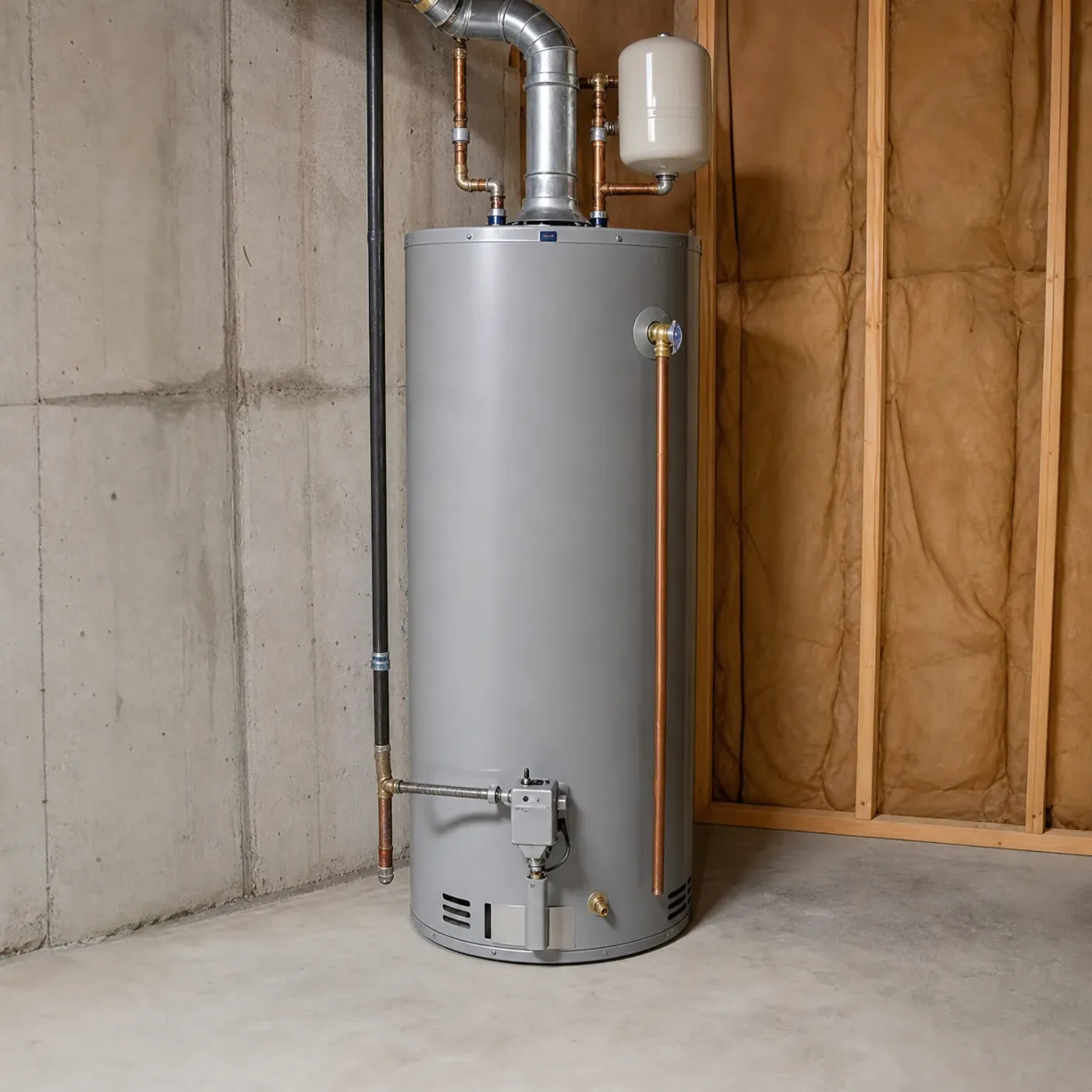
This tank heats without a sound. The gas line, flue vent and expansion tank are all doing their job, and the burner underneath is firing against bare metal, not a layer of grit. Water passes through and heats evenly.
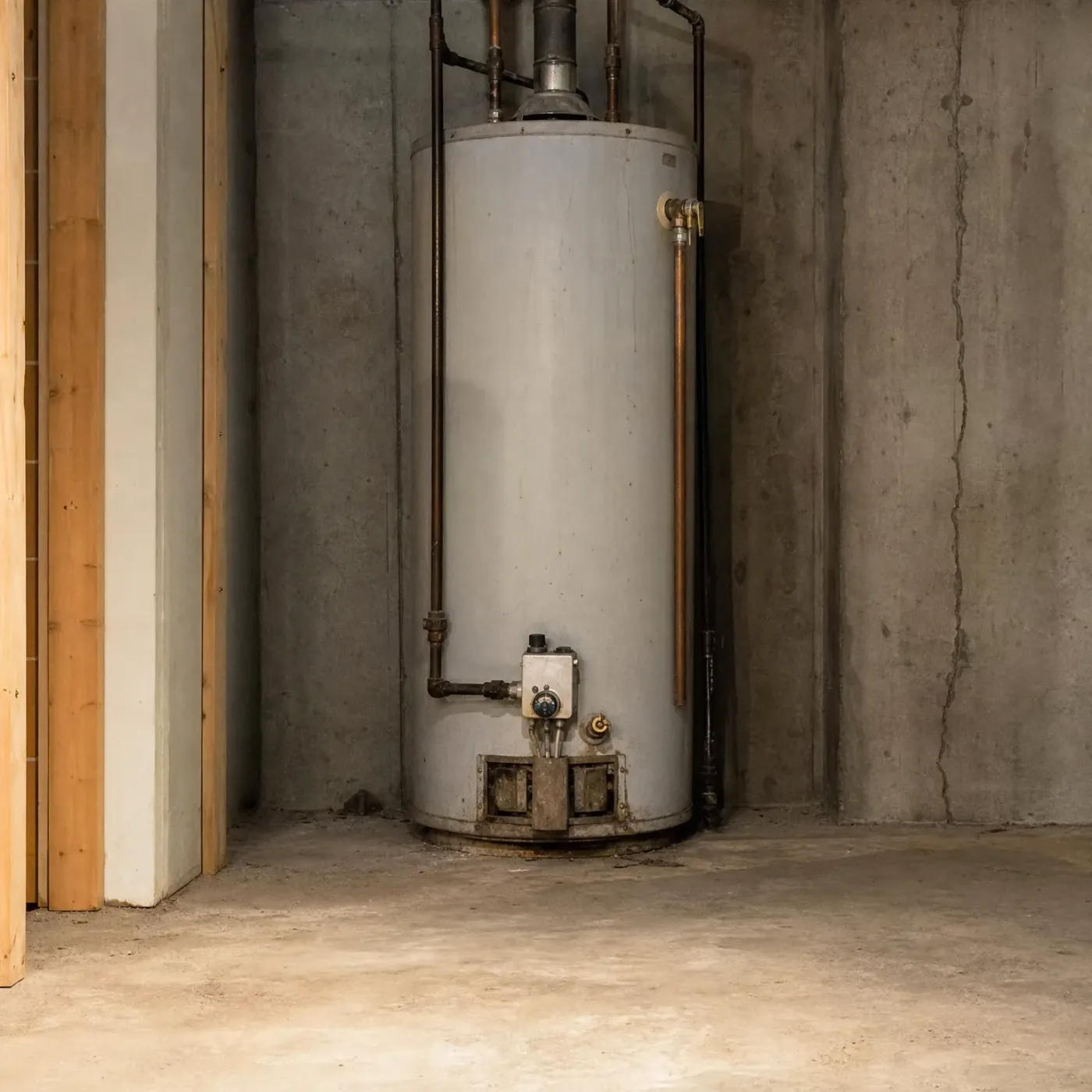
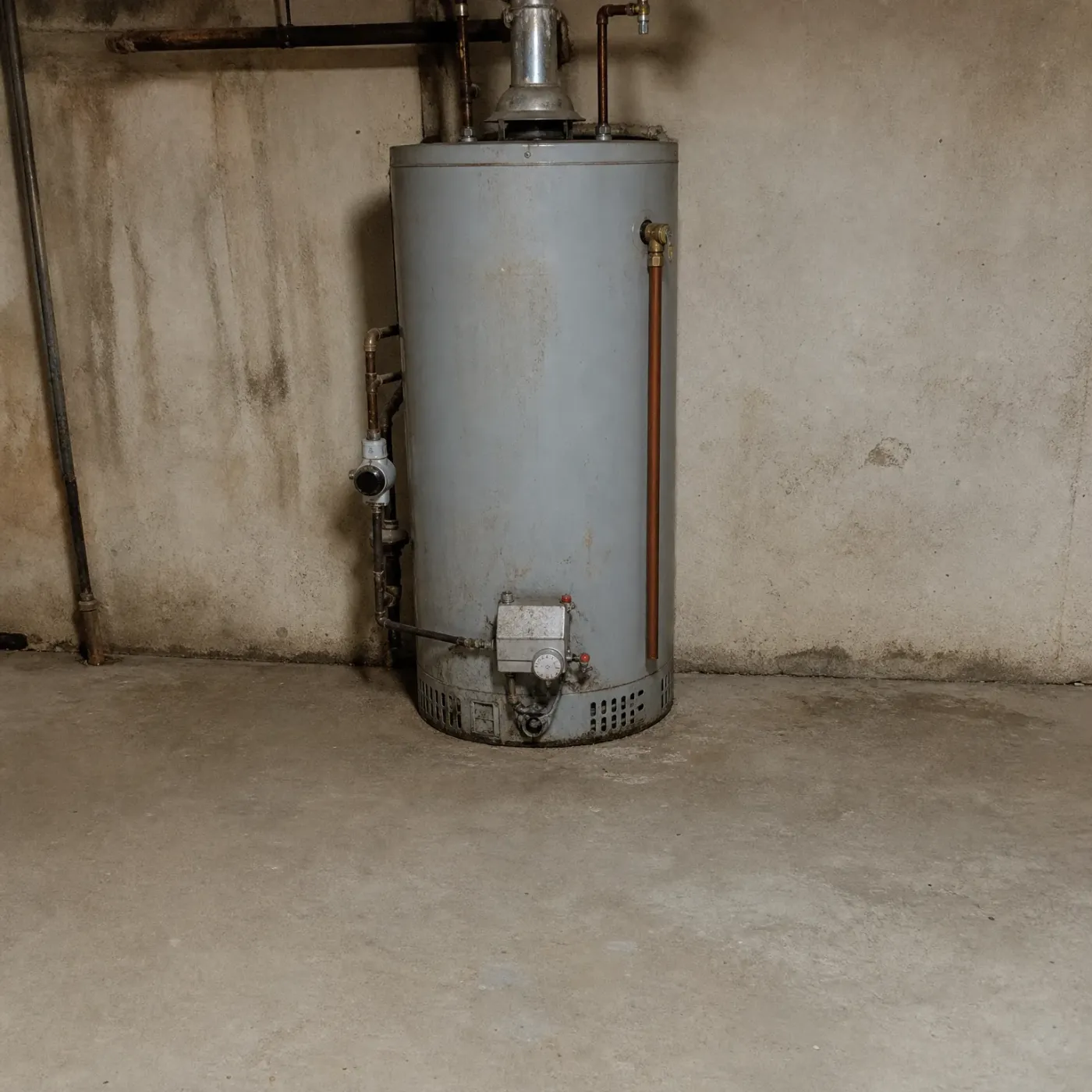
This gas valve has been firing through a thick bed of sediment for years. Each cycle, steam pushes up through that layer before it can escape, and that's the popping you hear. The dial on front still works. What's underneath it doesn't heat clean anymore.
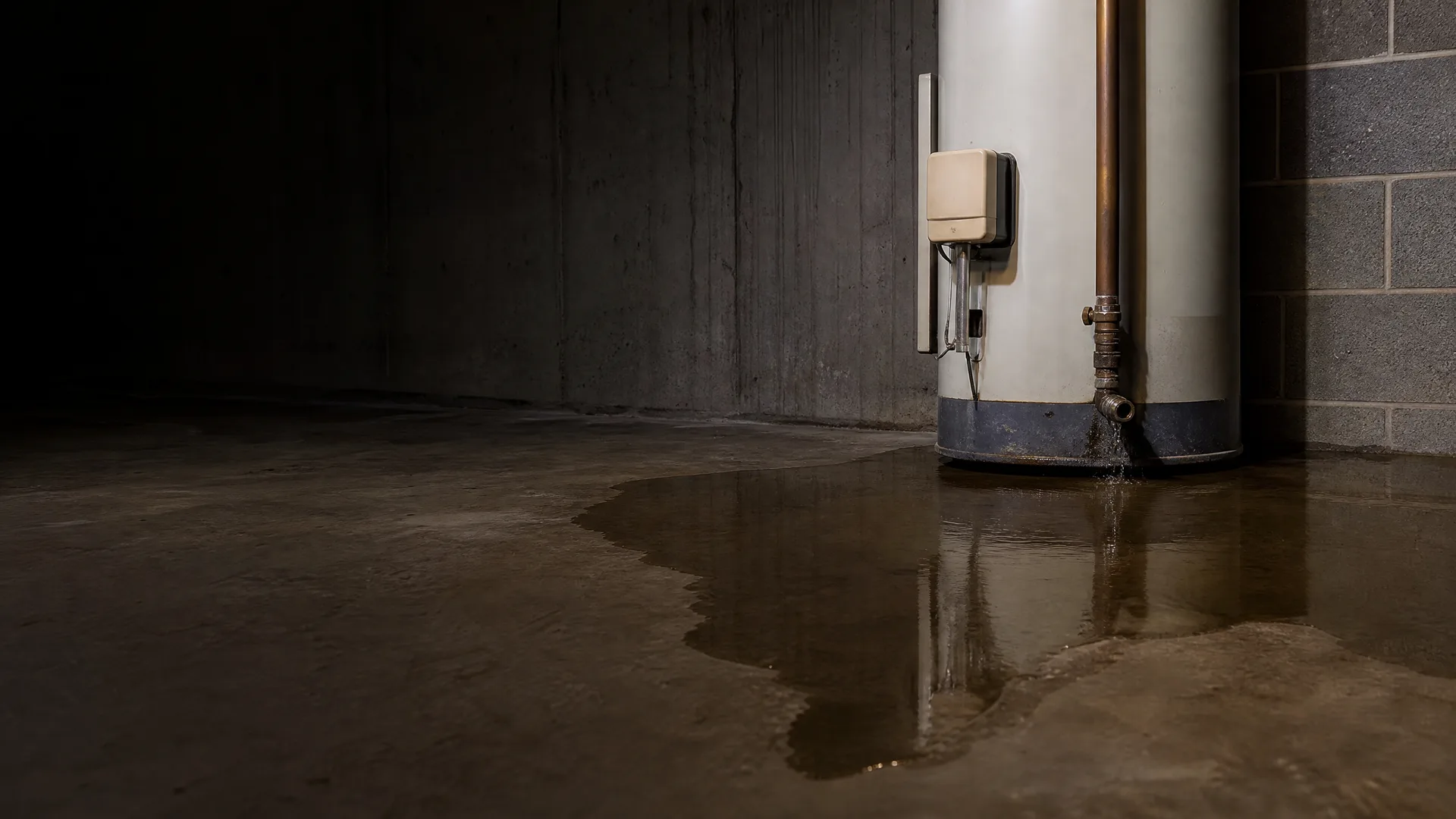
Saturday morning, nobody running water yet. You go down to check the breaker panel and your shoe lands in a half inch of water spreading out from the base of the tank. It's tracked toward the floor drain but there's more coming than the drain can take. You crouch down and the metal near the bottom seam is wet all the way around, not dripping from one spot. The popping from last week is gone quiet now. You shut the water off at the valve on top and stand there a second, listening to the tank tick as it cools, trying to remember how long that sediment noise had been going on before this.

Every time the element or burner fires under that sediment layer, it's working harder to get heat through to the water above it. You'll likely see your electric bill creep up before the tank ever fails outright. The metal at the bottom of the tank is also taking more punishment than it was built for, heating against a crust of grit instead of water, and that's what eventually cracks a tank or burns out an element early.
None of that shows up as a single clear warning. It shows up as a noise that's gotten louder over a few weeks, and a tank that's quietly running closer to the edge than it looks. A local contractor who flushes tanks across Hinds County all year knows how much buildup turns into a real problem versus how much is still a routine flush, and getting one person out to look at your tank beats guessing from the sound alone.



At 13.91 cents per kilowatt-hour, your electric water heater is costing you more every month the longer that sediment sits in the tank. The element has to run longer to push heat through the grit, and you pay for that extra run time whether you notice the popping or not.
EIA-861 2025
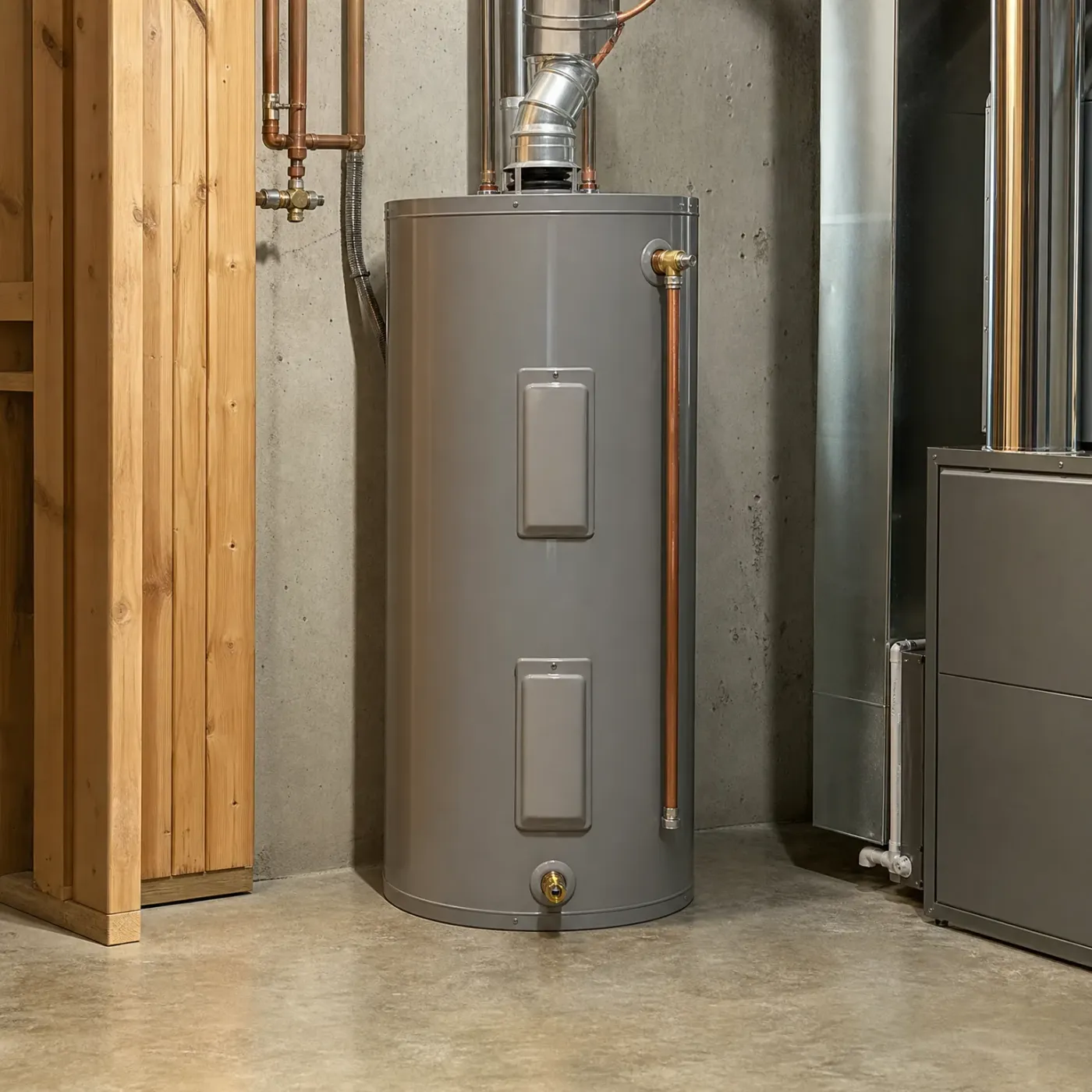
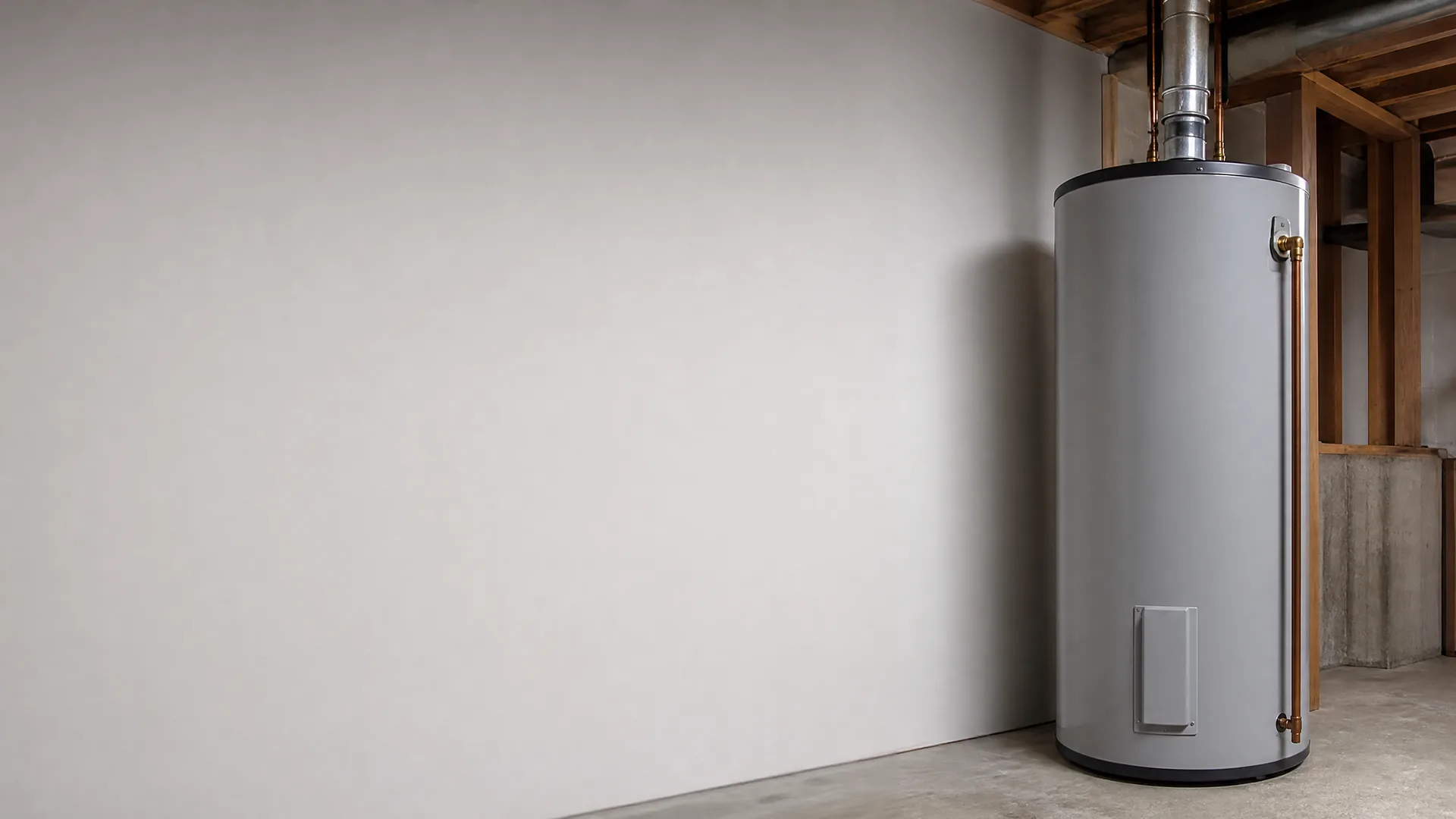
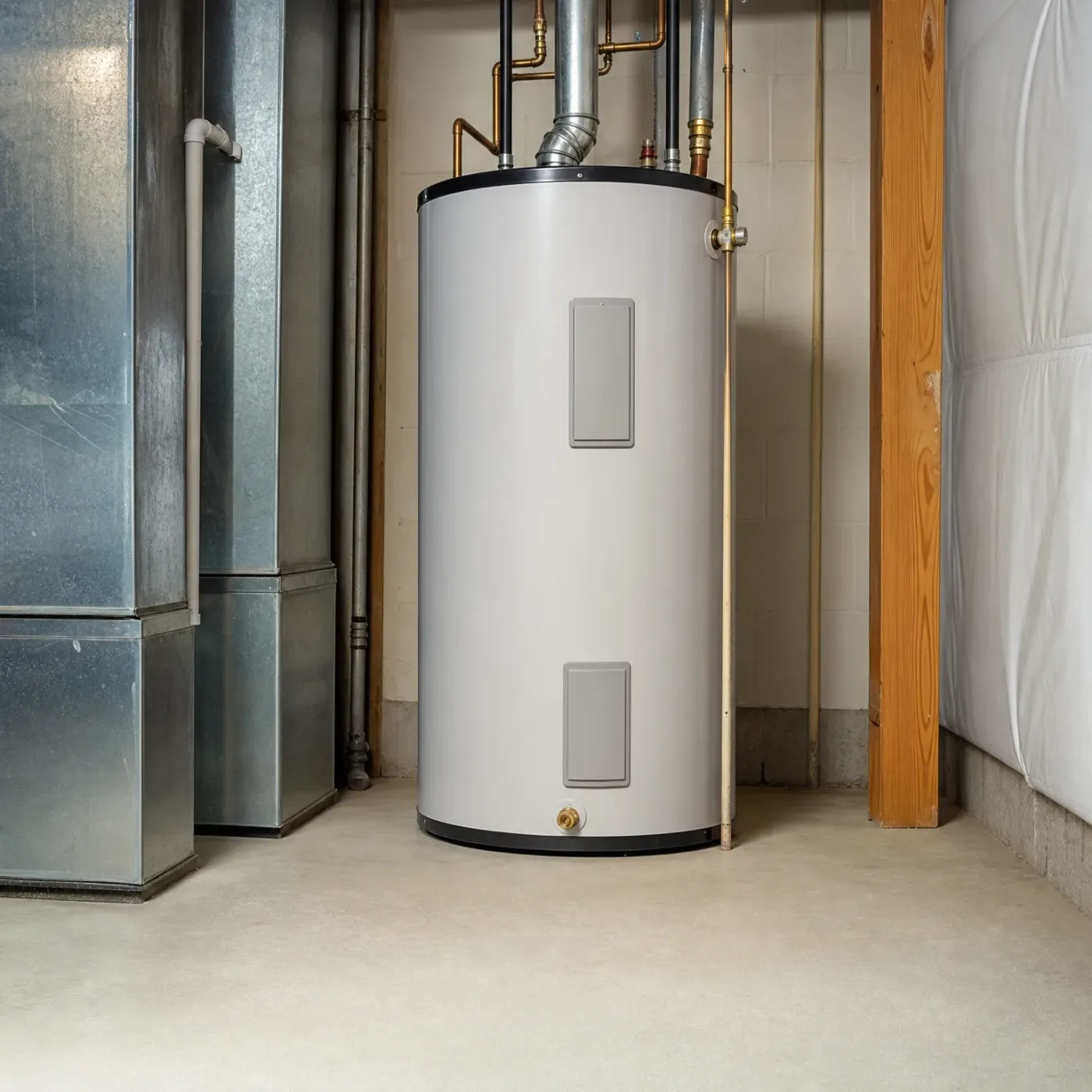
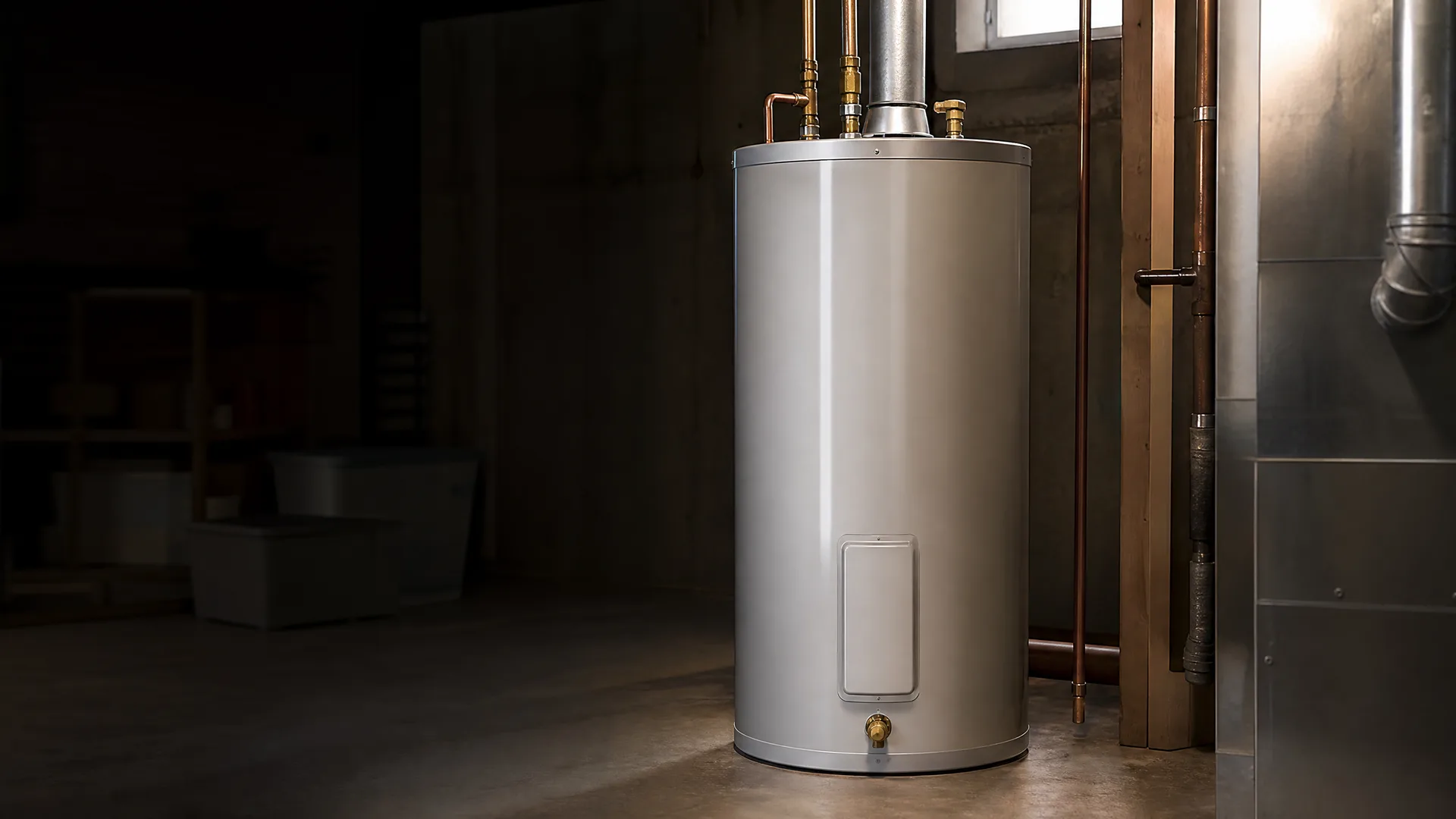
This is a tank heating clean. The copper lines and relief valve are doing their job, and whatever sits at the bottom of the tank is bare metal, not a sediment bed. Water heats evenly and quietly, cycle after cycle, with nothing to shake loose.
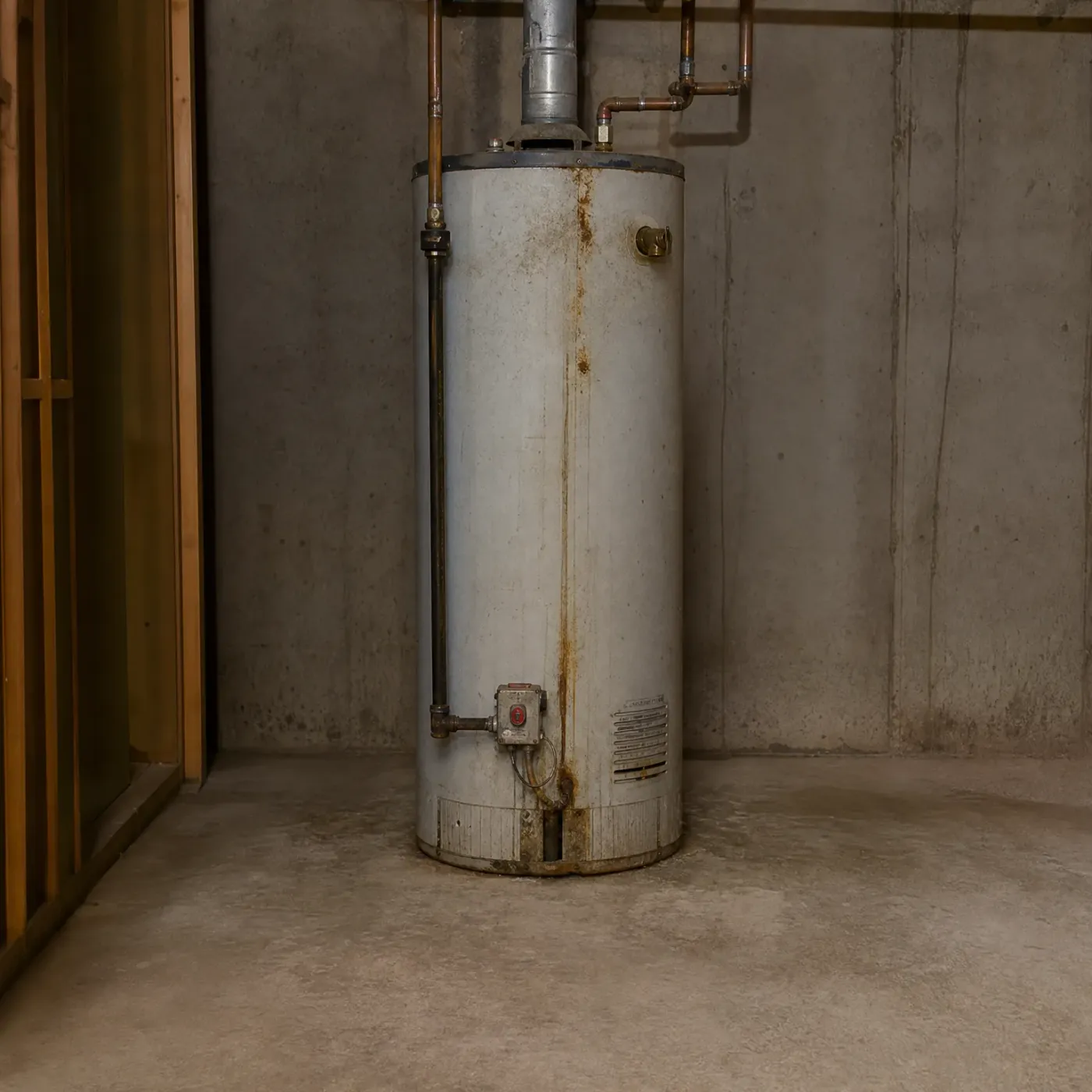
Rust like this doesn't show up overnight. A tank left unflushed for years builds a thick layer at the bottom, and the gas valve and thermostat near the base end up working against that corrosion. Popping is often the first sign something underneath has gone this far.
The popping is sediment sitting at the bottom of your tank, and it only gets louder from here. A flush now usually quiets it down right away. Wait too long and that layer keeps hardening under the element or burner, and the tank keeps working harder and costing more to run until it eventually fails. You don't need a flush and a lecture about three other repairs you don't have. You need someone who's flushed tanks like yours all over Hinds County and knows this water well enough to tell you, once they've had a look, whether a flush solves it or the tank's further along than that. Asking gets you matched with one licensed local contractor, not a handful of companies competing for your callback. That's one visit, one straight answer about what your tank needs, from someone who deals with this exact popping sound on this exact water all year. Your tank already told you what's wrong. The next step is getting someone out to deal with it before a quiet fix turns into a flooded utility closet.
A local pro for your water heater repair