
What size water heater a Mississippi home needs

A local installer who puts in water heaters gets your project.

Match me with a pro

For most Mississippi homes, a 40 to 50 gallon tank covers a household of two to four people, and a family of five or more usually does better with 50 to 80 gallons. The right size comes down to how many people are using hot water and how many things pull from it at once, a shower running while the dishwasher is going, for instance. Since most homes here heat water with electricity, recovery time matters too: electric water heaters take longer to reheat a tank than gas ones, so if your household tends to run hot water back to back, sizing up a bit gives you more room before you run cold. A tank that's too small means showers that turn cold partway through. One that's too big wastes energy keeping water hot you're not using. Getting the size right from the start saves you from either problem down the road.

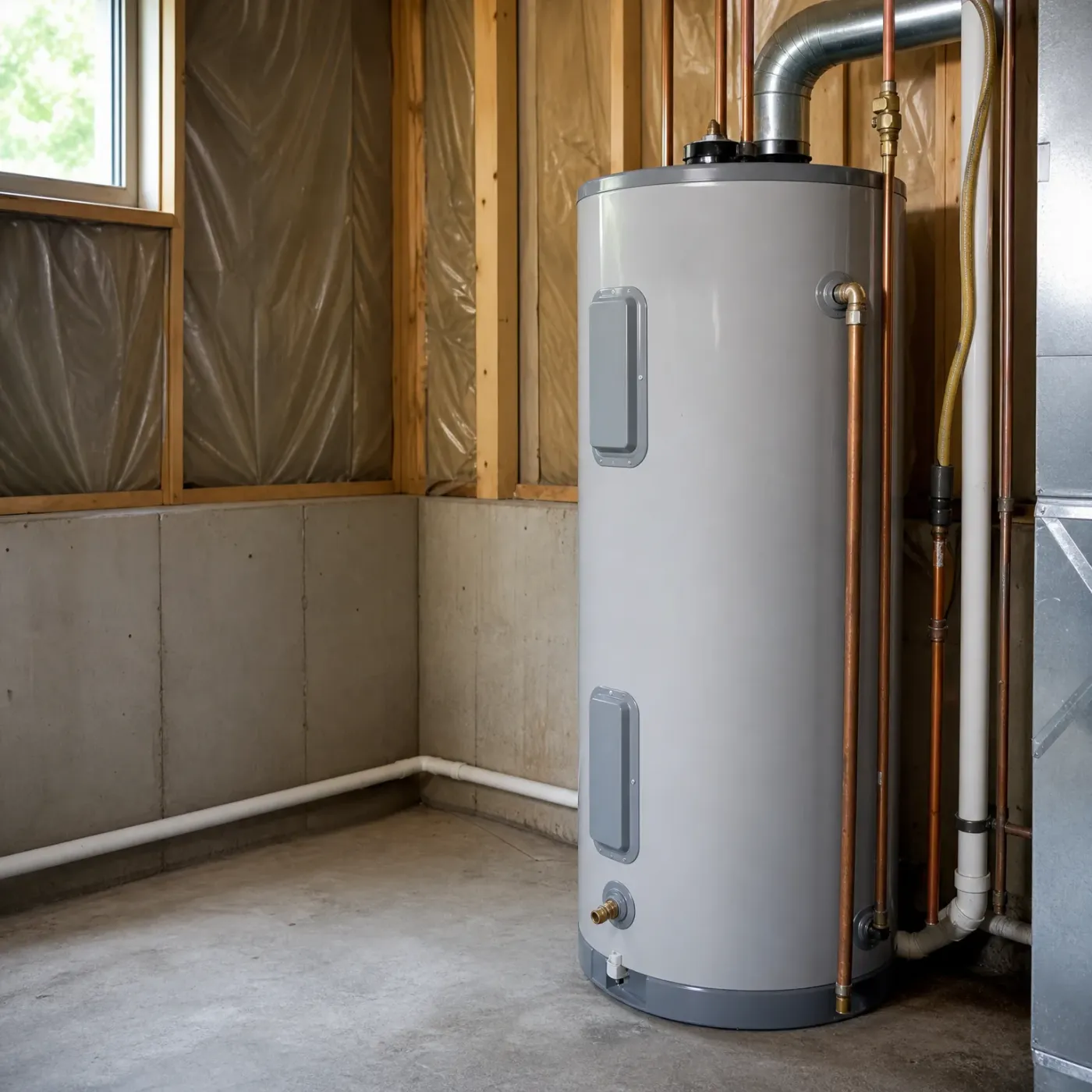
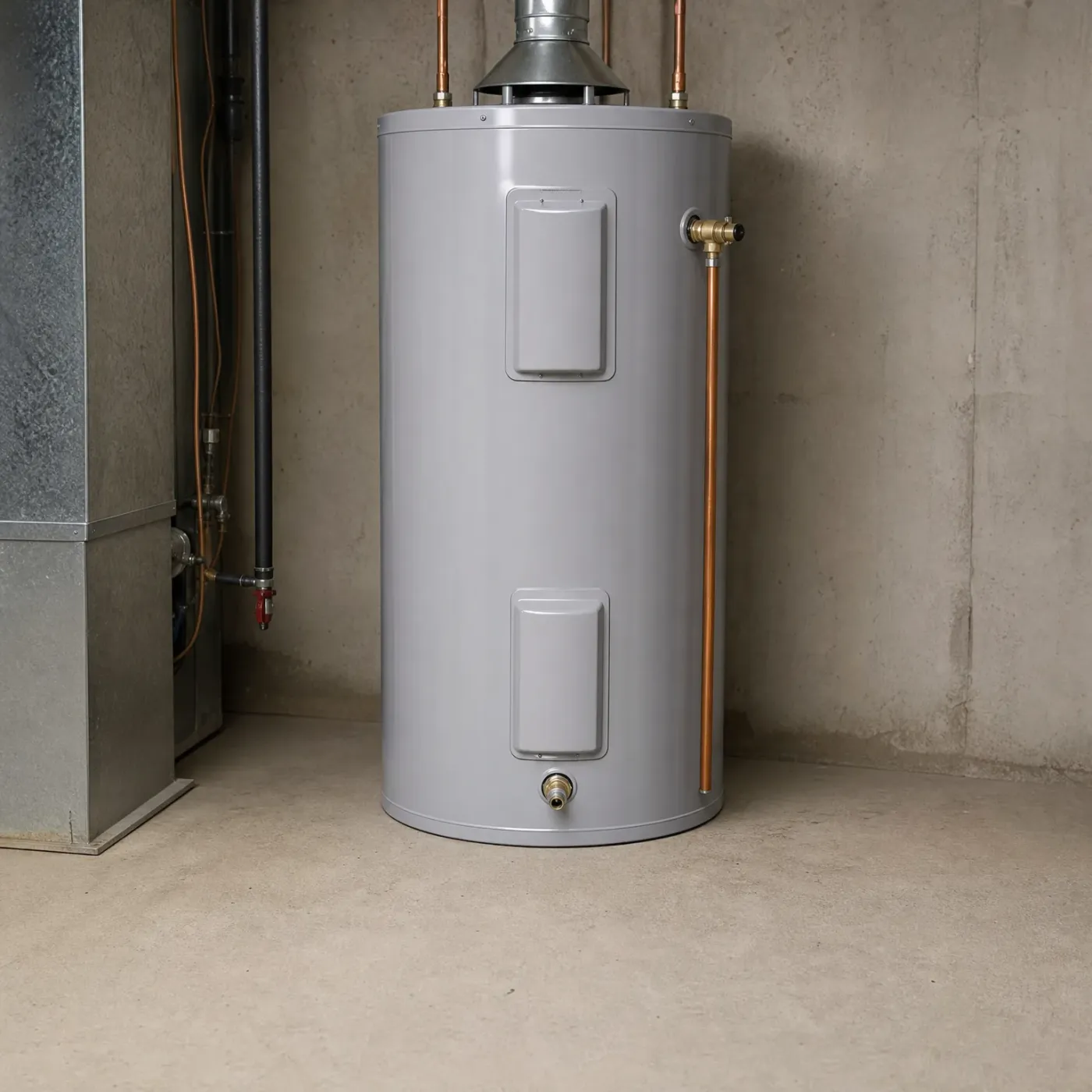
A gray cylindrical water heater with copper piping and a flue stands on a concrete floor in a basement corner beside ductwork and metal equipment.

Sized right

This is what a tank that matches your household looks like. Two access panels, a drain valve at the base, a relief valve venting through copper pipe. It keeps up with your mornings and doesn't run out halfway through a shower, because the gallons match the people using them.
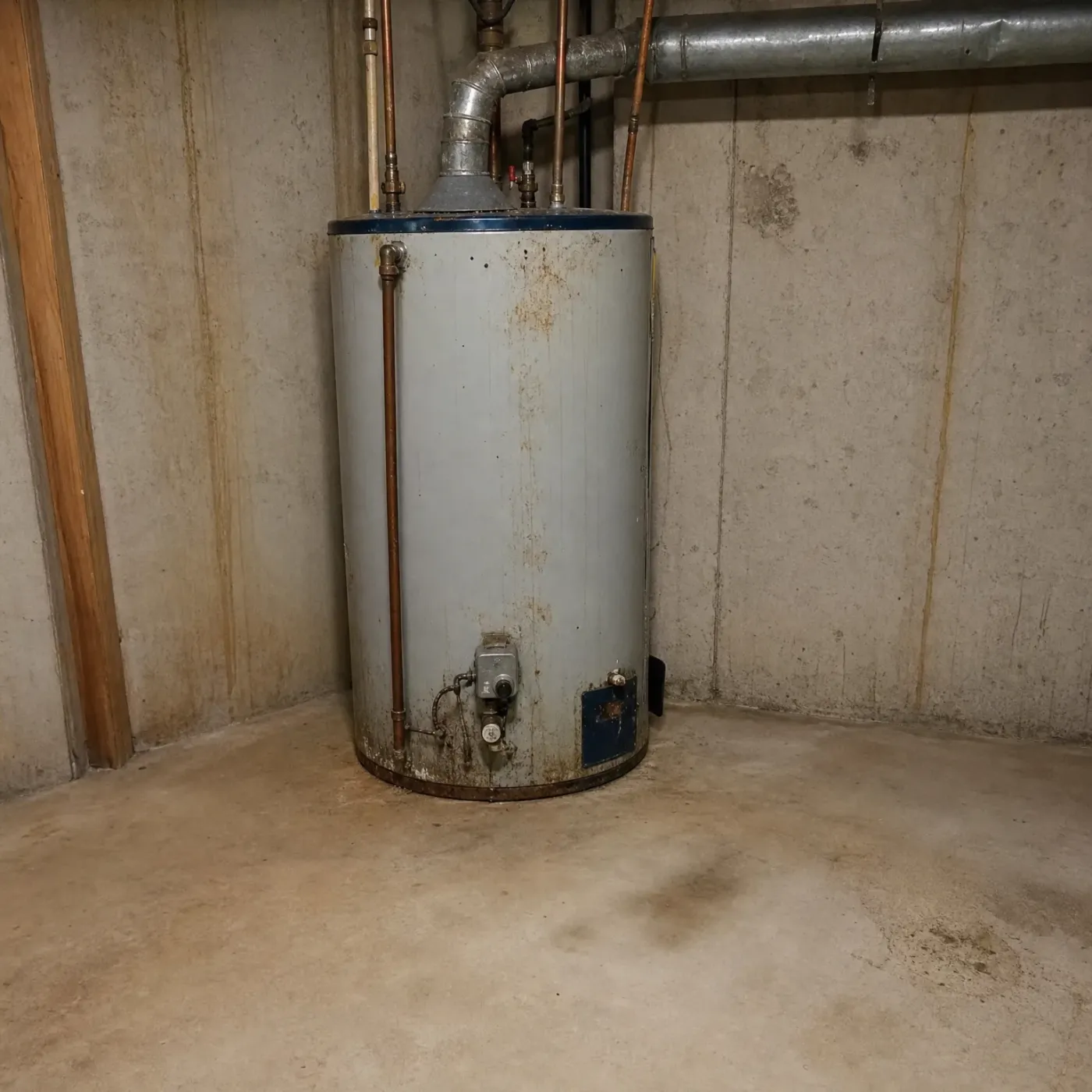

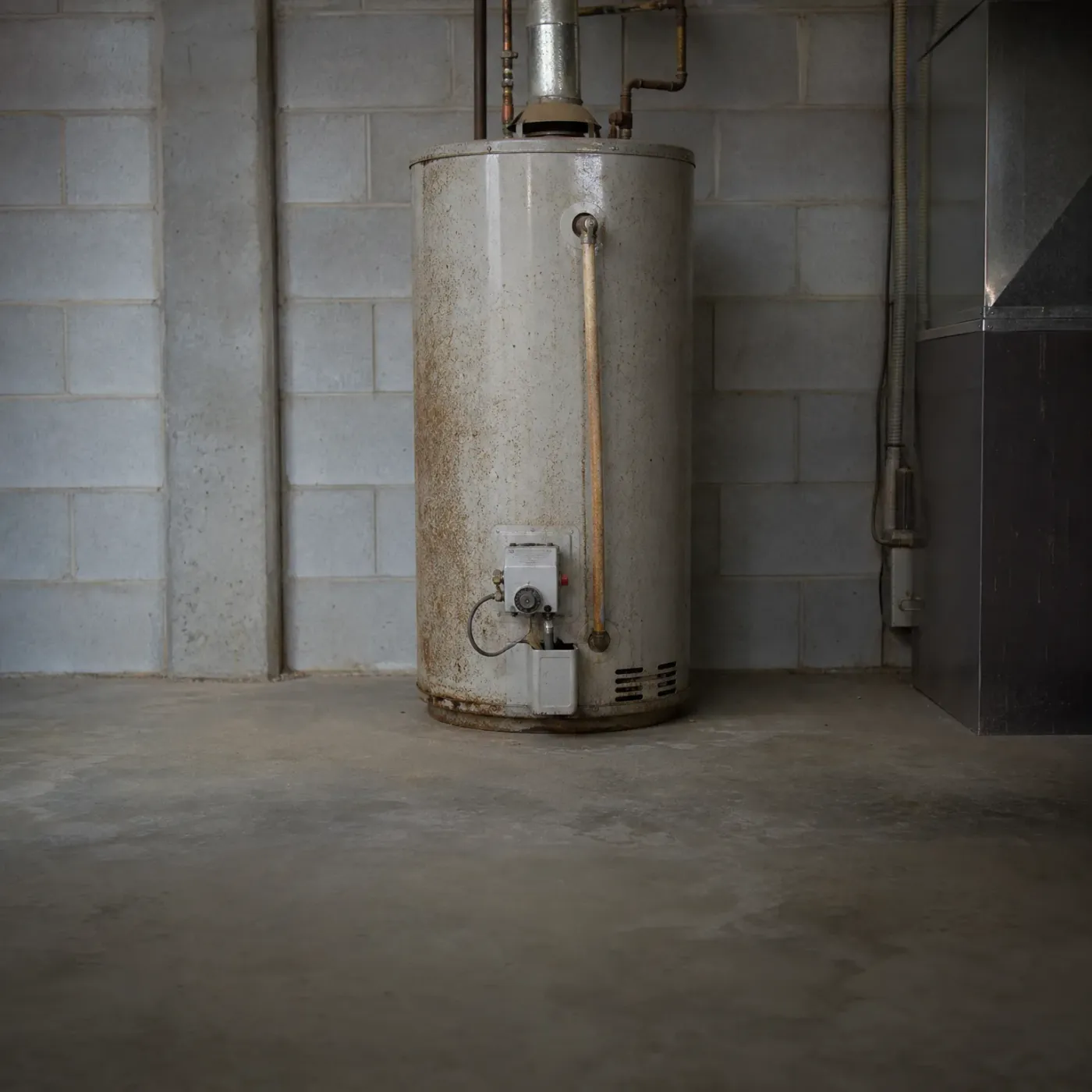
An aging gas water heater with rust streaks stands in the corner of a concrete-walled basement, with copper pipes and a metal flue duct running overhead.

Sized wrong, worn out

Rust on the tank and staining on the floor mean the unit is failing, but undersizing shows up differently: cold water partway through a load of dishes or a second shower. A tank too small for your household works harder for less hot water, and that wear catches up with it.

A woman with long gray hair wrapped in a checked blanket sits on a sofa by a window with yellow autumn foliage outside, with a lamp, framed picture and plant in the background.
An older woman in a cream knit sweater sits on a sofa by a window, looking out at sunlit trees with yellow and orange autumn leaves, with a bookshelf and lamp behind her.
A woman with gray shoulder-length hair in a dark knit sweater sits on a cushioned seat by a window, looking out at yellow autumn foliage, with a living room, armchair, houseplant and framed picture behind her.
An older woman with gray hair in a bun, wearing a cream knit sweater, sits on a sofa with a gray blanket and looks out a large window toward yellow-green autumn trees, with a lit table lamp and dark armchair behind her.

Tank size versus recovery rate

A tank's gallon number only tells you how much hot water is sitting there ready to go. Electric water heaters recover slower than gas ones, since there's no burner, just electric elements heating the water a few degrees at a time. That's why most homes here run on electric and still need a bigger tank than a gas household would for the same number of people. If you're running the dishwasher, washing machine and a shower back to back, the tank needs enough reserve to cover that stretch before the elements can catch up.

What happens when it's too small

A tank that's undersized shows up fast. The last person to shower gets lukewarm water, or none. Electric elements take longer to reheat a full tank than a gas burner does, so recovery time between uses matters more in an electric household. Running two loads of laundry and a dishwasher the same afternoon can drain a 40 gallon tank in a house built for a family of five. Sizing up front avoids the daily workaround of staggering showers and chores around how much hot water is left.

A woman in a cream knit sweater sits in an armchair with her eyes closed and a slight smile, beside an open window showing orange autumn foliage, with a mug, books and a lit candle on a small side table.
An older man with gray hair and a beard leans back on a beige sofa with his eyes closed, in a sunlit room with potted plants, a wicker chair and large windows behind him.
A gray cylindrical water heater stands in a basement corner with exposed wood framing, plastic vapor barrier, concrete walls and floor, copper and PVC piping, and a metal flue vent.

A pro who works on water heaters

Skip collecting and comparing quotes for the new water heater.

Get in touch with a local installer about a new water heater.

Skip the calls

There's no charge for the request.

Tank or Tankless: Sizing It Right

Tank

  • A 40 to 50 gallon tank handles two to four people without much thought once it's sized to the household.
  • Recovery is slower on electric tanks, so the gallons sitting in the tank matter more than they would with gas.
  • A larger tank, 50 to 80 gallons, costs more upfront to install and takes up more space in the closet or garage.
  • Running the dishwasher and a shower back to back can still draw a tank down if it's sized too small for the house.
  • A tank water heater keeps working through a power outage for a while, since it's storing hot water, not making it on demand.

Tankless

  • A tankless unit doesn't run out, since it heats water as it moves through rather than storing a fixed amount.
  • Electric tankless units need enough amperage and a large enough electrical panel, which not every Mississippi home already has.
  • Two showers and a washing machine running together can still outpace a single tankless unit sized for one bathroom at a time.
  • A tankless unit takes up a fraction of the space a tank does, which matters in a smaller utility closet.
  • Sizing a tankless unit right depends on the incoming water temperature and the number of fixtures running at once, not just the headcount.
A rusted gas water heater with a flue pipe stands against a concrete block wall on a bare concrete floor, next to a dark metal duct or furnace cabinet at right.
Before you get your water heater installation
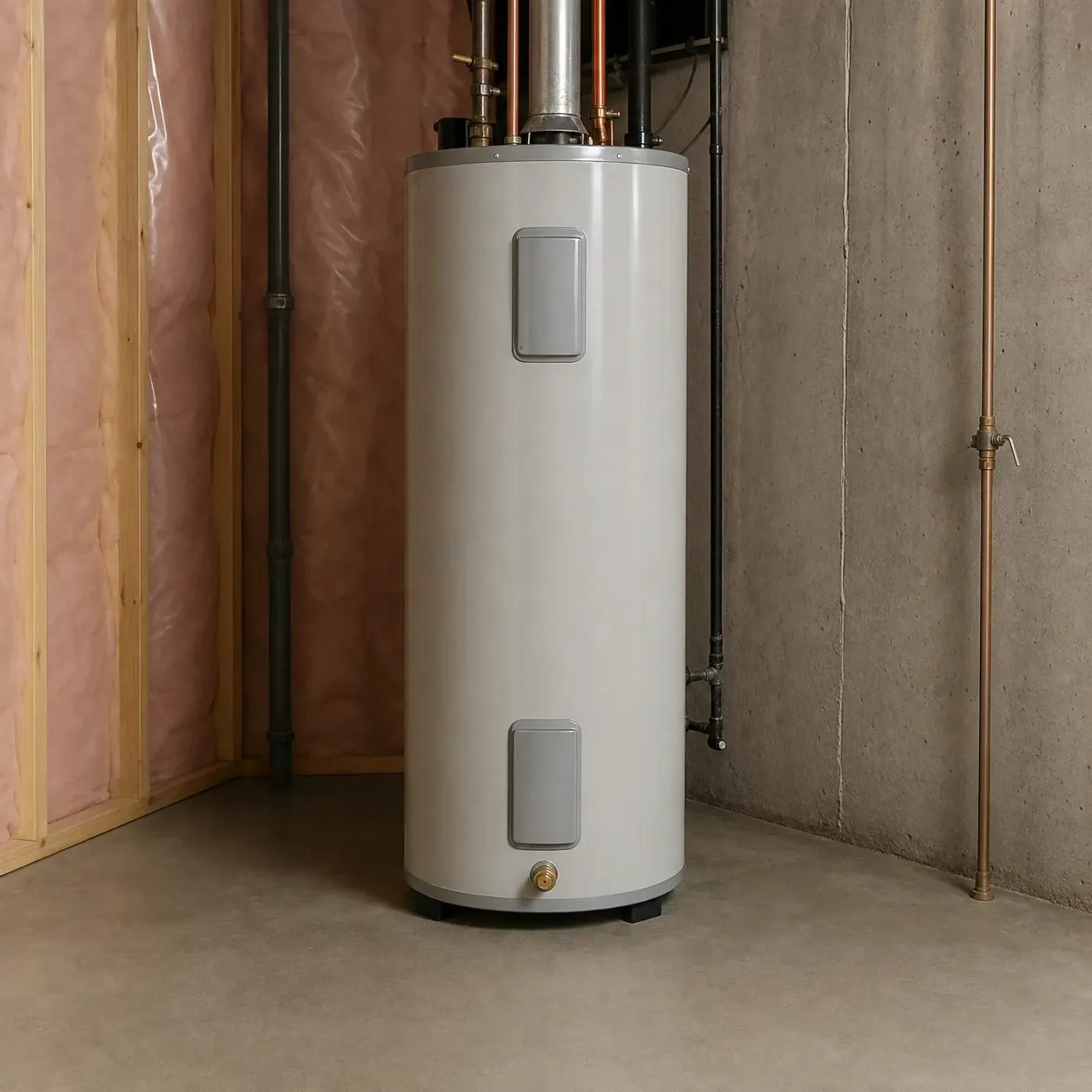
A white cylindrical water heater with two access panels and a brass drain valve stands on a concrete floor in a basement corner, beside a pink-insulated stud wall and a concrete wall with copper and black pipes.
After you get your water heater installation

Too small

The last person in line gets a lukewarm shower, and with electric recovery already slow, the tank won't catch back up until everyone's done for the morning.

Answer a few questions

Sized for your house

You stop doing the math before every shower. One call gets you matched with a contractor who sizes it to your household instead of guessing.

Answer a few questions

58.9% of homes statewide heat with electricity

Most houses in Mississippi run their water heater on electricity, same as the furnace. That slower electric recovery already covered above is what you're working with, so getting the tank size right matters more here than in a house with gas.

ACS 2020-2024 5-year B25040

  1. A contractor counts bedrooms, bathrooms and fixtures to set your demand

  2. They check your electric panel for the circuit a larger tank needs

  3. They measure the closet or alcove against the new tank's height and width

  4. They size the tank by gallons and by its first hour rating together

A woman in a cream cardigan and jeans stands with one hand raised facing an open front door of a gray horizontal-siding house, with a black lantern wall light, a potted shrub with yellow flowers, and a stone-faced porch column.

The right size comes down to your household

A 40 to 50 gallon tank covers most homes of two to four people in Mississippi. Five or more, and 50 to 80 gallons keeps the last shower as warm as the first. Electric recovery runs slower than gas, so the gallons sitting in the tank are doing more of the work, and getting that number right matters more here than it would with a gas unit.

You don't have to land on that number by yourself. A contractor who installs these tanks every week can look at your bedrooms, bathrooms and fixtures, check what your panel can carry, and match a tank to your house instead of a guess. That's the piece this page can hand you: a contractor who takes your specifics and sizes the tank around them, then reaches out to you directly, so you're not the one calling around and repeating the same details to every name in the phone book.

A living room corner with a light beige sofa holding a textured taupe cushion, a large ceramic vase of olive branches by a window, a framed neutral artwork on the wall, and a dark bowl with stacked books in the foreground.
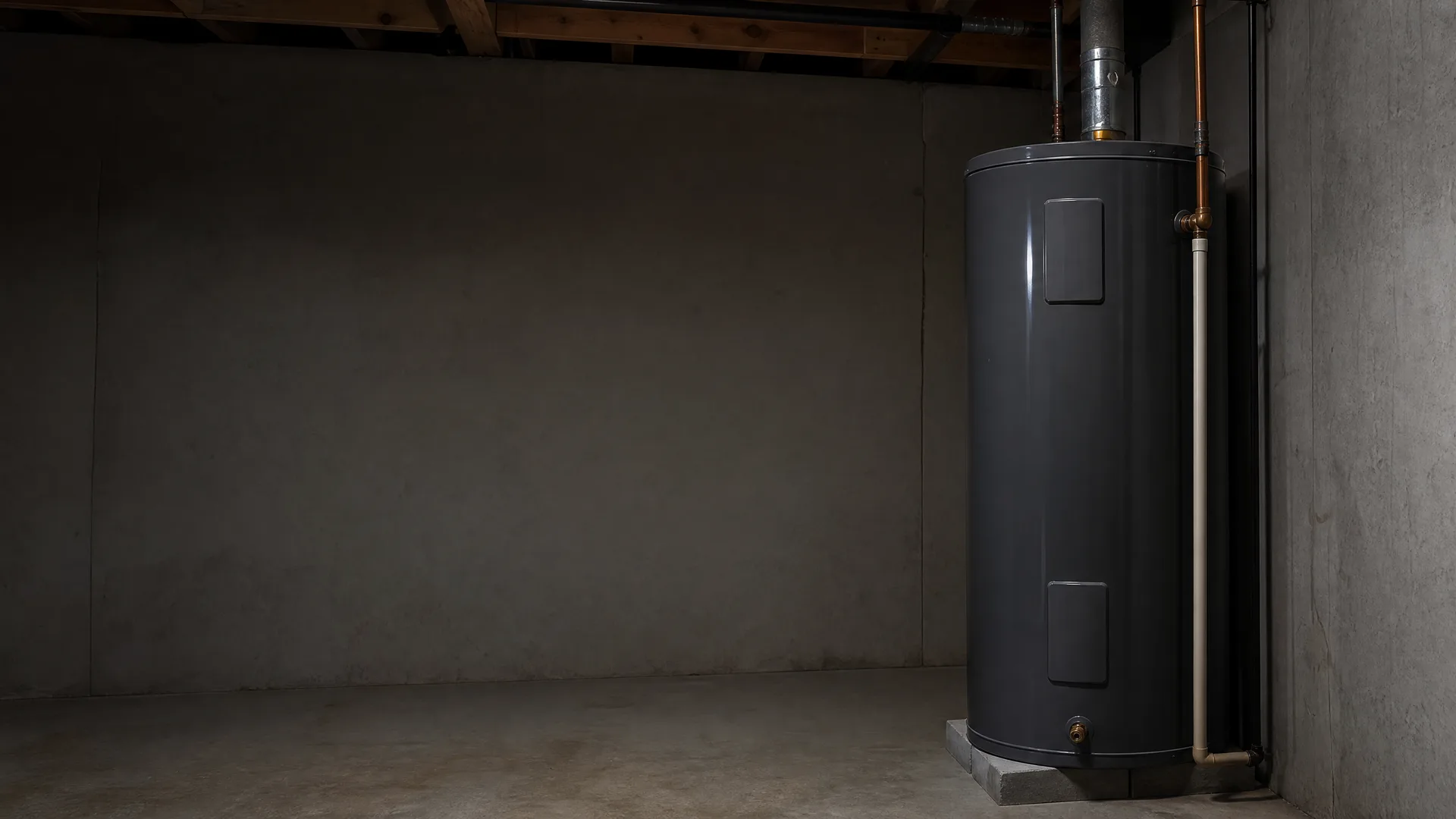
A dark gray cylindrical water heater with copper and metal pipes stands on a concrete pad in the corner of a dim basement with bare concrete walls and exposed floor joists overhead.

The right pro for this job

Explain the job once and skip repeating it on every call.

Step 1 of 3: Equipment