Profile view of a bearded man wearing a dark green baseball cap and a dark gray T-shirt against a plain light background.

What temperature to set a water heater in Mississippi

Step 1 of 3: Equipment

What temperature should I set my water heater to in Mississippi?

You want a number that works without wasting power, and you have probably heard different advice about where the dial should sit. With electric rates here being pretty ordinary, the question is less about the bill and more about getting hot water that is actually safe and comfortable without the tank working harder than it needs to.

120 degrees is the right setting for most homes here

120 degrees gets you water hot enough for showers and dishes without the risk of scalding, which starts becoming a real danger above 130. Most water heater dials are marked low, medium, hot rather than actual degrees, so check the setting with a thermometer at the tap if you want to know exactly where it sits. Because summers here are muggy and the tank often sits in a warm garage or closet, it doesn't have to fight cold incoming water the way it would up north, so there's little reason to run it hotter than 120. If anyone in the house has a weak immune system or young kids who use the tub, keeping it at 120 or even a touch lower is worth doing.

  1. Set the dial to 120 degrees, the mark most tanks show clearly.

  2. The thermostat reads the water temperature near the bottom element.

  3. Power cuts to the element once the set point is reached.

  4. Water cools slowly, then the element fires again to hold 120.

120 vs 140: Picking Your Set Point

120 Degrees

  • Hot enough for showers and dishes without a booster or mixing valve at the tap.
  • Cuts the standby loss that comes from holding water hotter than anyone uses it.
  • Keeps the element cycling less often, which matters with electric rates staying steady year to year.
  • Lowers the scald risk for kids or older adults in the house.
  • Matches the mark most tank thermostats already have printed on the dial.

140 Degrees

  • Holds enough reserve heat to get a big household through back to back showers.
  • Runs the tank hotter than most households need for normal washing and bathing.
  • Pushes the electric bill up since the element has to reach and hold a higher point.
  • Raises the chance of a scald burn straight out of the tap.
  • Wears the tank and element harder over time from the extra cycling at a higher set point.
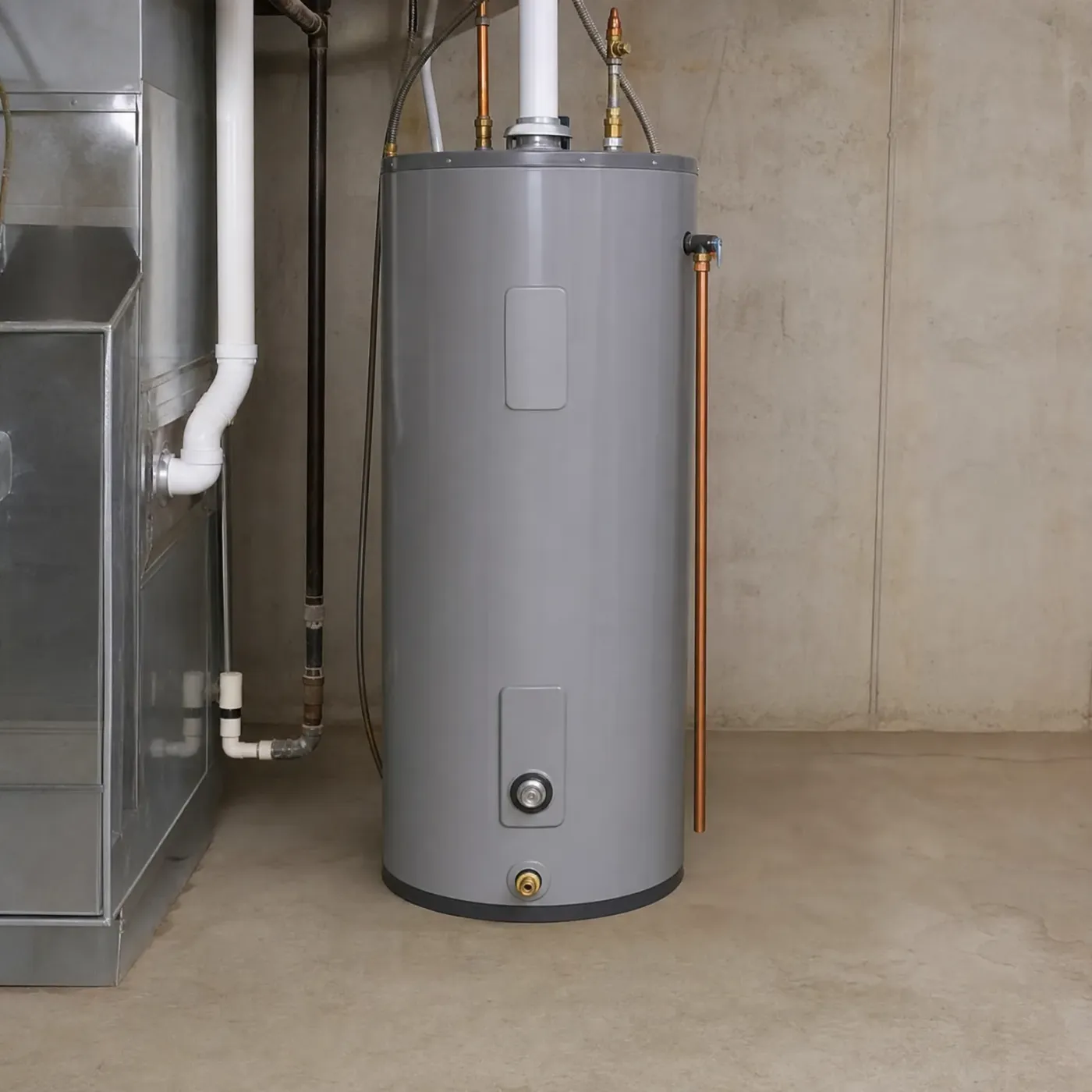
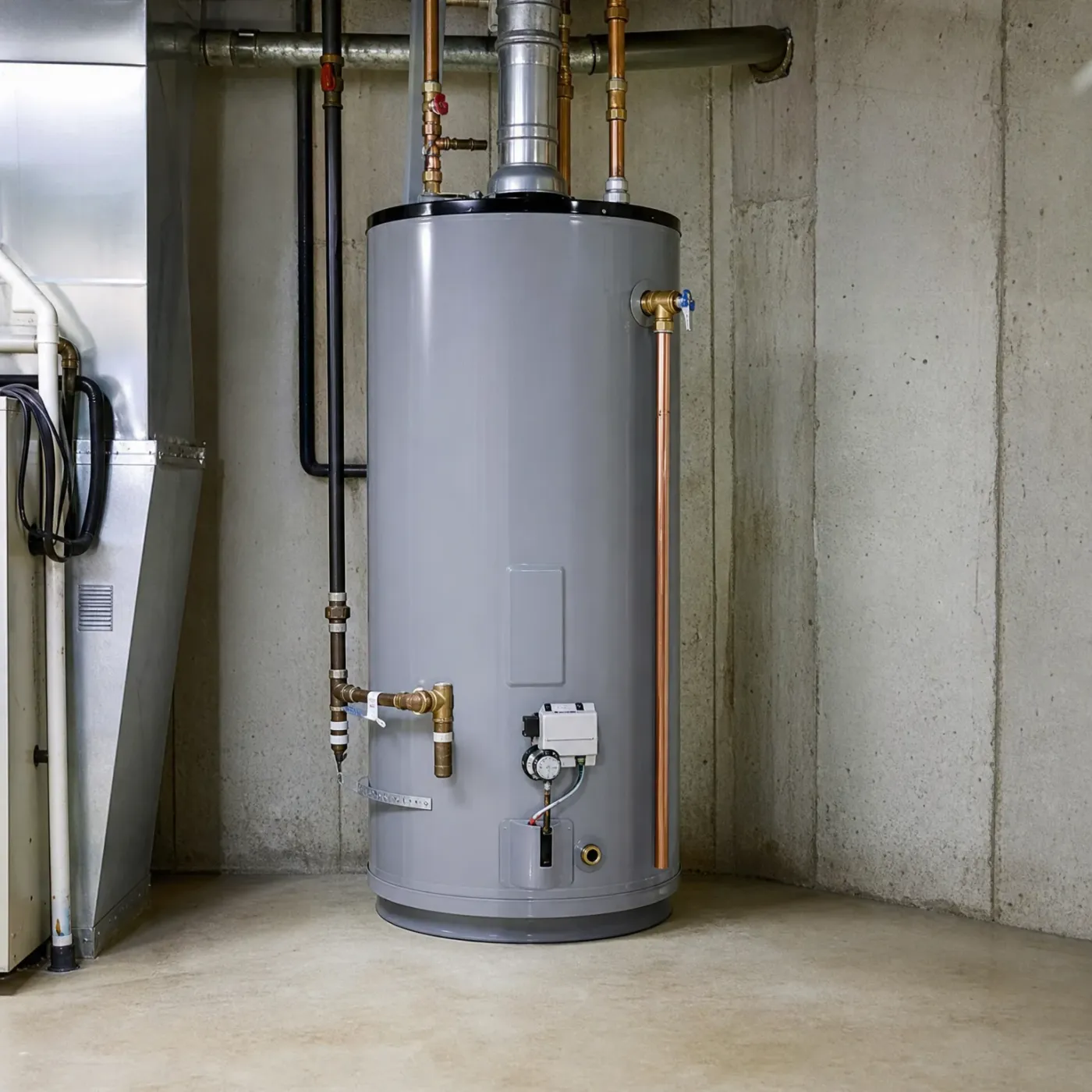
A large gray cylindrical gas water heater stands in a concrete-walled basement corner, connected to copper and black pipes and a metal flue, with ductwork at left.

Set correctly, working as it should

At 120 degrees, this tank holds steady and the element cycles on and off without strain. The fittings stay dry, the flue draws clean, and the thermostat does its one job: keep the water at the mark and shut off the rest of the time.
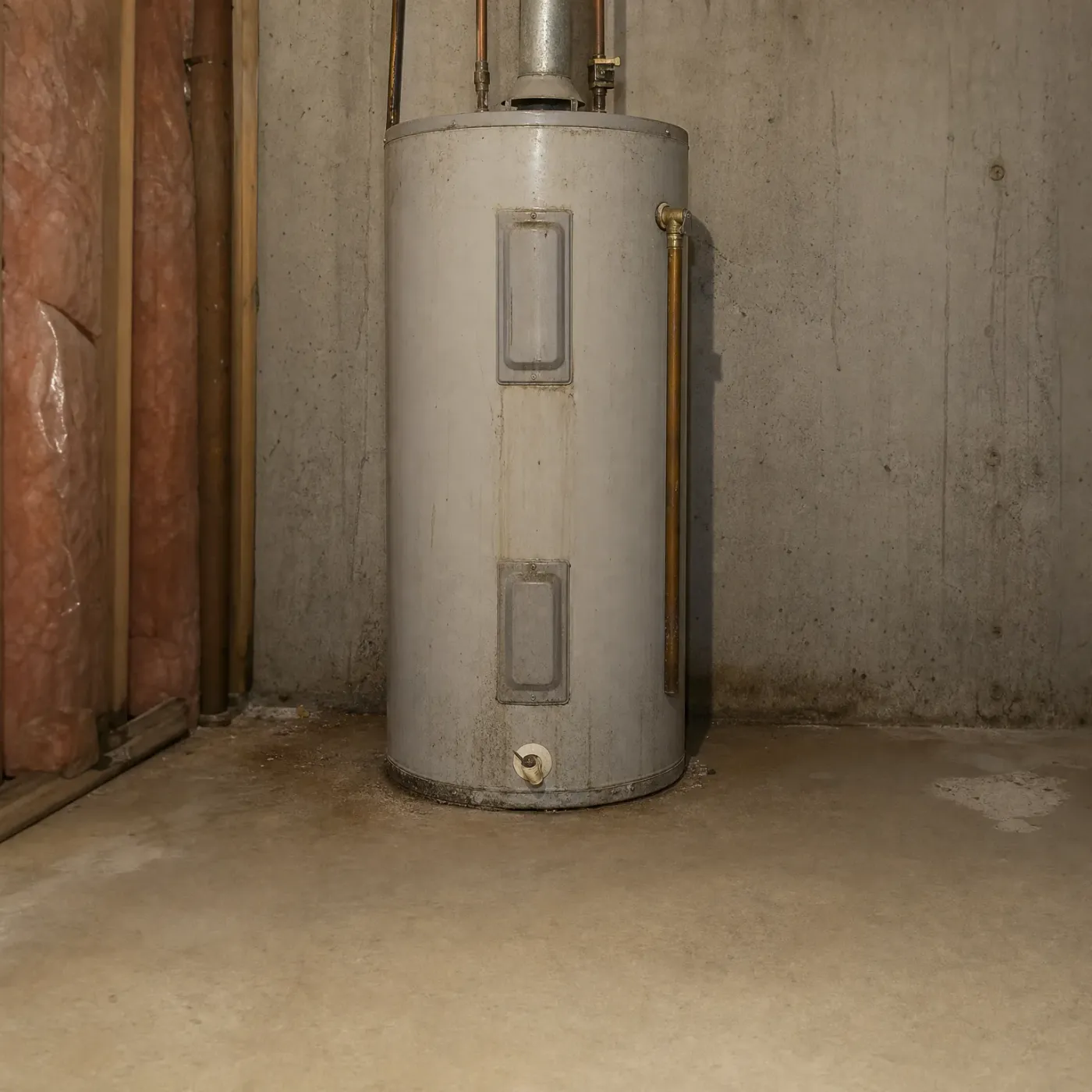

A gray cylindrical water heater with two access panels and copper piping stands in the corner of a concrete-walled basement next to exposed pink insulation.

Left too hot, wearing out early

Rust streaks down the tank from a relief valve that has been working harder than it should. A dial set above 120 pushes the element and the tank itself past what they need to do, and corrosion like this is what shows up first.

An older woman with gray hair in a cream knit sweater sits under a blanket on a sofa by a window, looking outside toward yellow-leaved trees, with a lamp, shelves and an armchair in the room behind her.
A gray-haired woman in a chunky knit sweater sits in an armchair with a blanket, looking out a window at yellow autumn foliage, with bookshelves and a potted plant behind her.
A gray-haired woman in a navy sweater sits in an armchair with a knit blanket beside a window, looking out at yellow autumn foliage, with a dining table and houseplant in the room behind her.
A gray-haired woman in a gray cowl-neck sweater sits in an armchair with a blanket, looking out a dark-framed window toward yellow autumn trees.
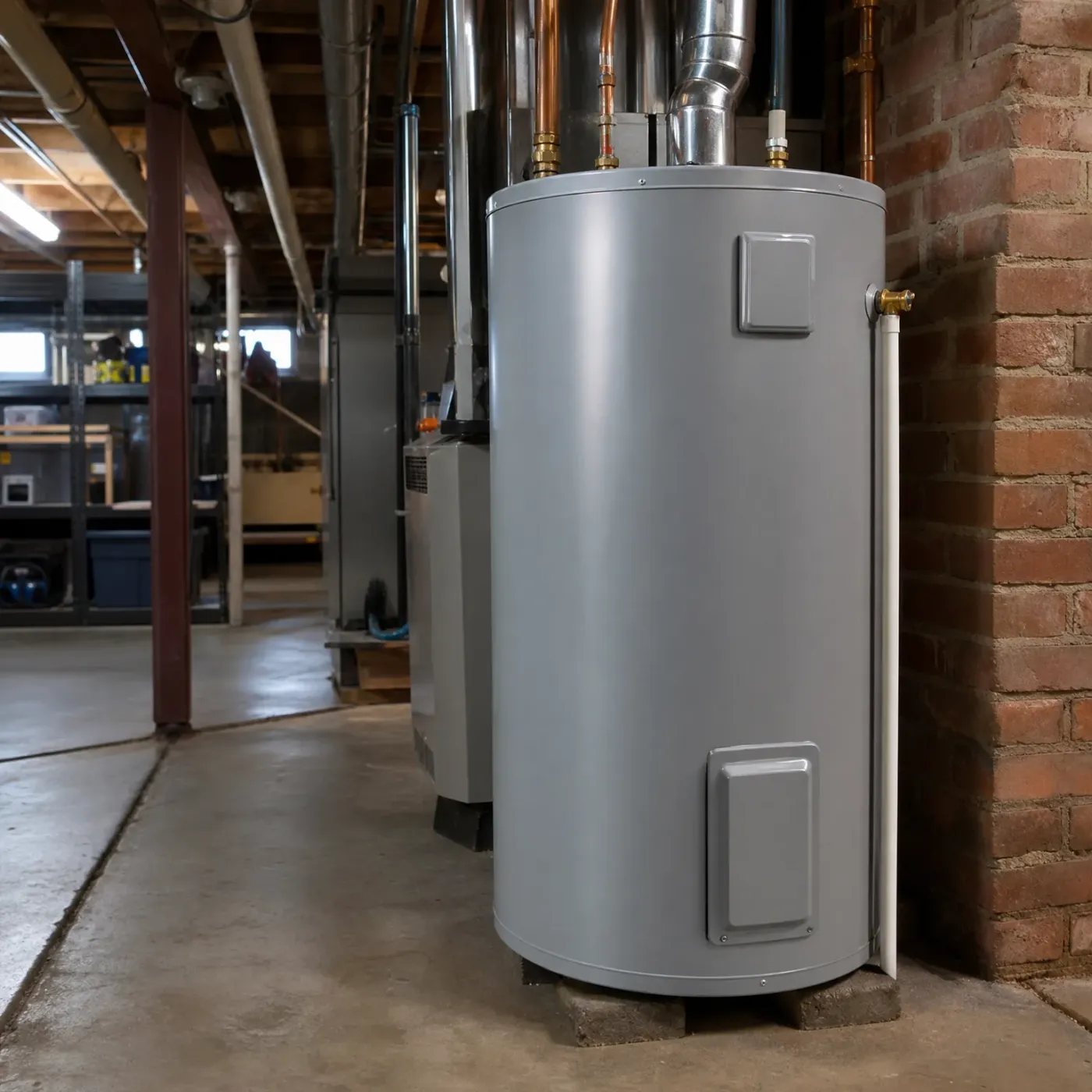
A gray cylindrical water heater with two access panels stands on concrete blocks beside a brick wall in a basement, with copper and metal pipes above and shelving visible in the background.

Matched to your water heater job

Send the form and the water heater tune-up stops being something to remember.

A local pro who knows water heaters gets your details and gets in touch.

Send my request

Asking costs nothing, and the choice to hire stays yours.

A woman in a cream sweater and jeans stands in the open doorway of a white stucco house, holding the dark door, while a man in a dark quilted jacket seen from behind walks toward the entry past potted plants.

What 120 degrees means for your tank

Most electric tanks in Mississippi run May through September carrying the extra load of a houseful of showers and a muggy house drawing more hot water for laundry. At 120 degrees, your element isn't holding water hotter than anyone touches, so it isn't cycling more than it has to. Turn it up past that and you're paying to keep water hot that just sits in the tank until someone runs the tap, and on an electric rate that's ordinary but not nothing, that adds up over a summer.

The dial drifts on some tanks, and the only way to know where yours actually sits is to check it against a thermometer at the tap. If it's reading high, or if the element's been cycling more than it should to hold the mark, that's worth having a contractor look at before the heat really sets in. Once you send the form, it's not on you to track someone down. A contractor who handles maintenance in your area gets your information and reaches out to you.

Interior corner with a beige sofa holding a dark green and a light cushion and a textured throw, a potted small-leaved tree beside a white-framed window, and a dark shallow bowl on a wooden coffee table in the foreground.
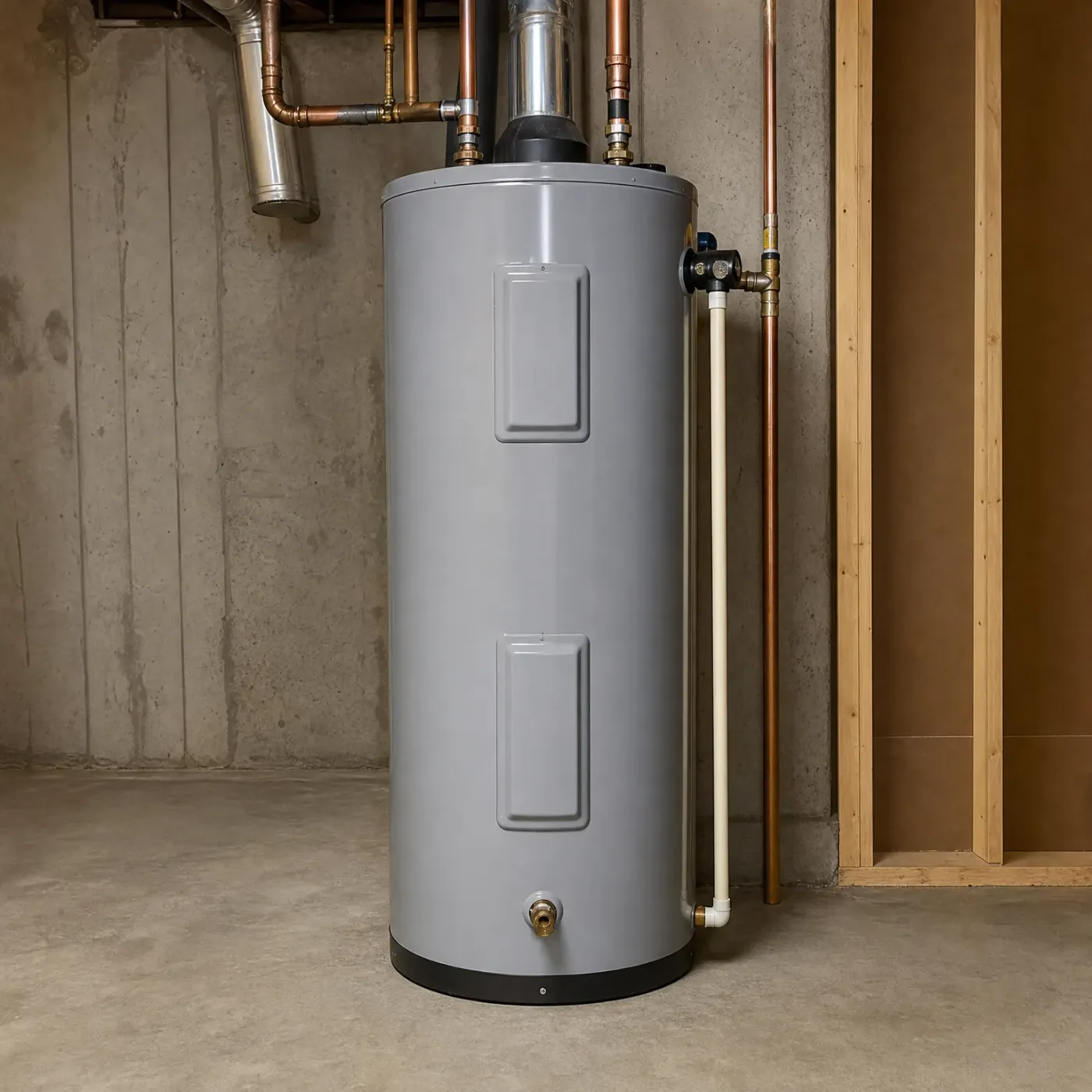
A gray cylindrical water heater stands against a concrete basement wall, connected to copper pipes and a metal flue overhead, with a white discharge pipe running down its right side and exposed wood framing to the right.

Running at 120 degrees

The tank sits quiet against the wall, fittings dry, flue venting clean. The pressure relief valve has nothing to do because the thermostat is holding the line. Copper and plastic lines run cool to the touch a few inches out, which tells you the element isn't overworking to hold water hotter than anyone's using.

A gray cylindrical water heater with copper piping stands against a concrete basement wall beside a white vertical pipe and a wooden post.

Running too hot

Rust shows near the base, a sign the tank has been under more strain than it should carry. Set much past 120, the element cycles harder and the relief valve starts doing work it shouldn't need to. That rust at the bottom didn't come from one hot shower, it came from months of the dial sitting too high.

A woman in a cream knit sweater sits in an armchair with her eyes closed near a window showing yellow autumn foliage, with a mug on a round wooden side table beside her.
A gray-haired man with a beard in a blue button-placket shirt reclines on a couch with his eyes closed, beside a sunlit window with a green plant.

Why 120 holds up in summer

An electric water heater set to 120 degrees spends less time with the element energized because the tank isn't fighting its way back up from a higher mark. In a Mississippi summer, incoming water off the line is already warmer than it is in January, so there's less of a climb to begin with. The thermostat opens the circuit sooner and the element sits idle longer between cycles. Over a full billing month, that adds up, and it's the same reason the tank doesn't need to work as hard here as it would somewhere with cold ground water year-round.

What a higher setting actually costs

Pushing the dial past 120 doesn't get you hotter showers, since most people mix in cold water at the tap anyway to bring it down. What it does is hold a larger volume of water at a higher temperature all day, even the hours nobody's running water at all. That standby loss happens through the tank walls regardless of whether anyone uses a drop, and electric rates don't care why the element fired. The element also cycles more often to maintain the higher mark, which is wear with nothing to show for it.

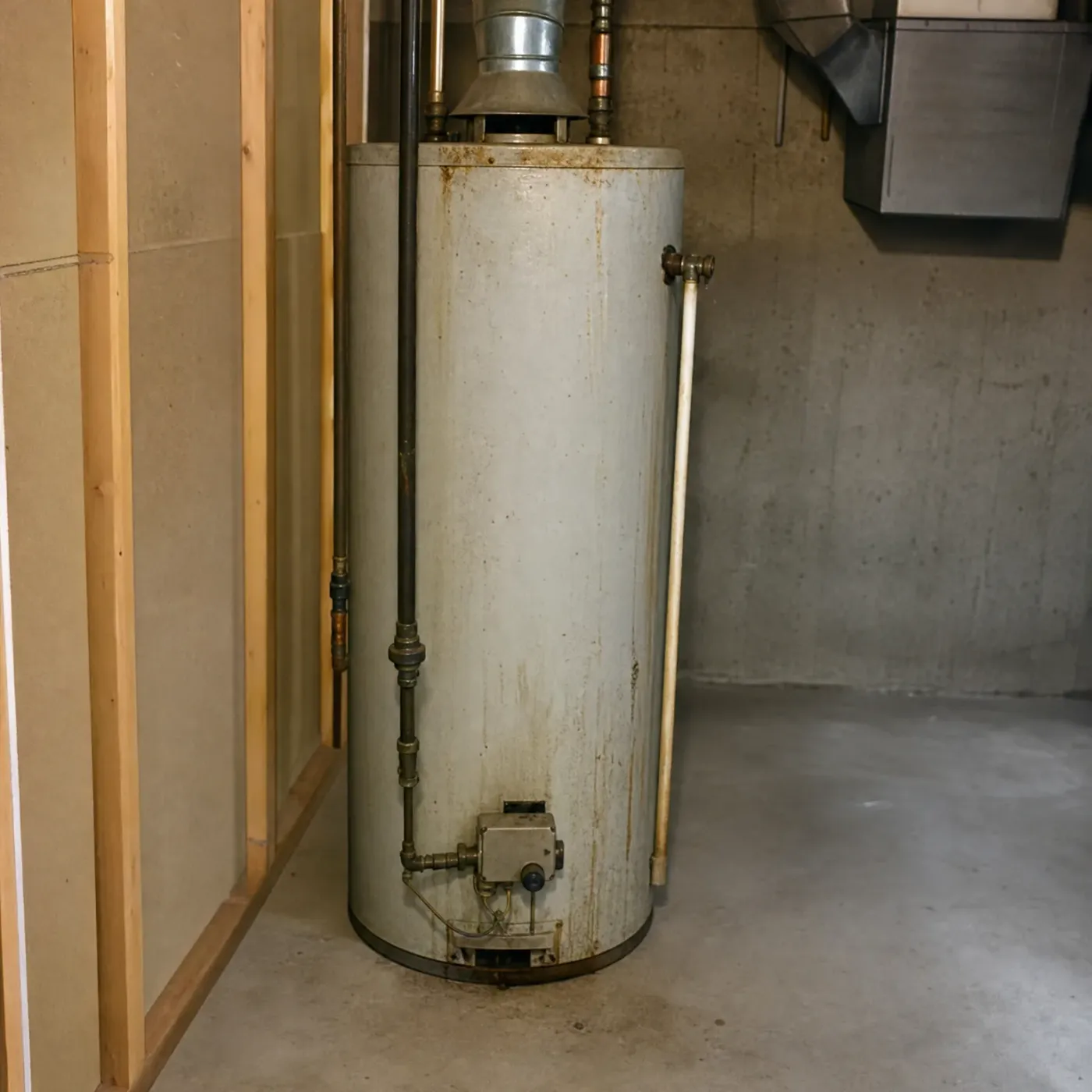
An old rusting gas water heater with flue pipe and connected plumbing stands on a concrete floor in a basement corner beside an unfinished wood-framed wall and a metal duct.
Before you get your water heater maintenance
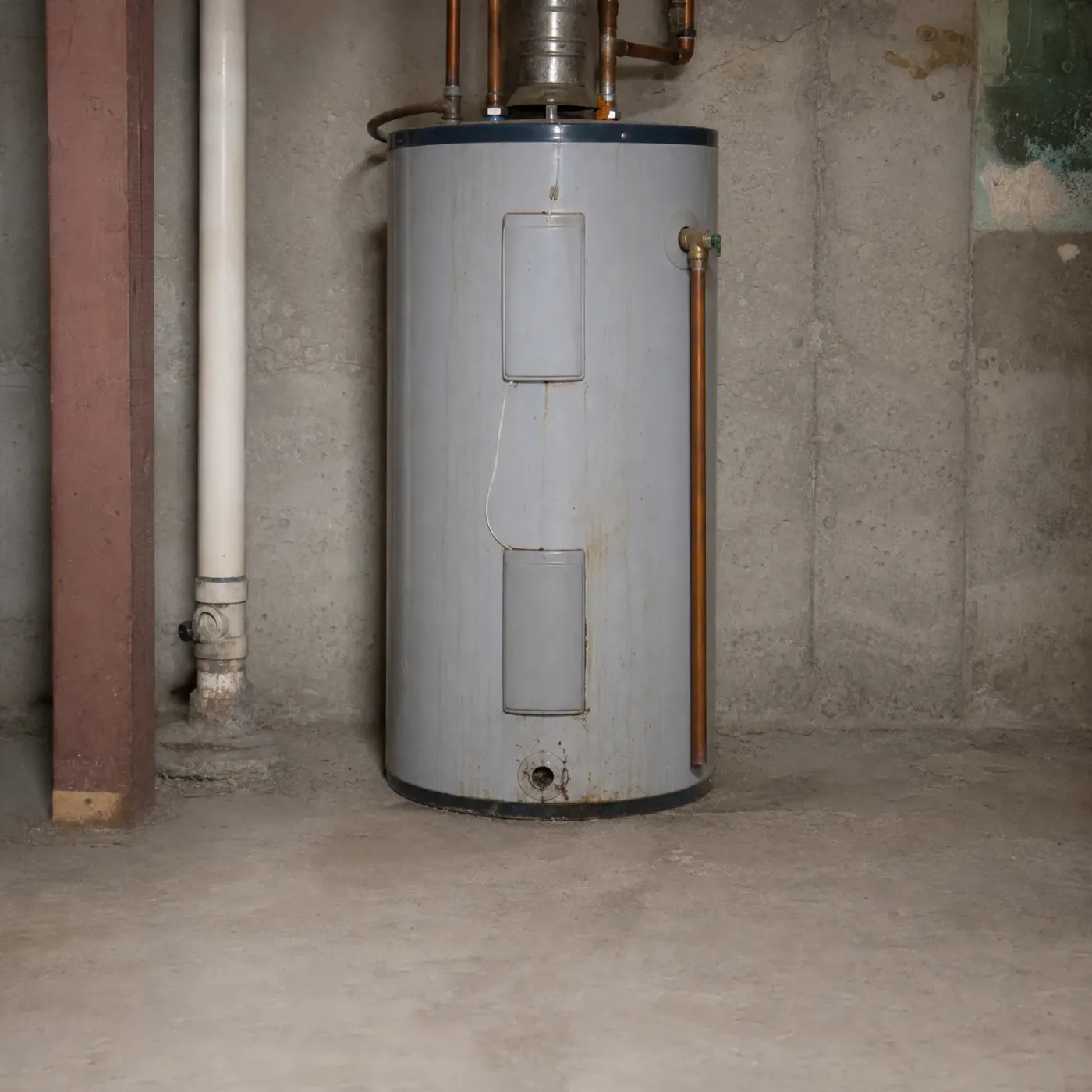
A gray cylindrical water heater stands on a concrete floor against a concrete wall, with copper and white pipes above it and a metal ductwork unit to the left.
After you get your water heater maintenance

58.9% of homes statewide heat with electricity

With most Mississippi homes running an electric water heater instead of gas, that dial is the only control you have over the element's workload. Set it to 120 and you're not asking it to recover from a higher mark every time someone showers.

ACS 2020-2024 5-year B25040

120 degrees is the number. It holds your water hot enough for a shower or a sink full of dishes, and it keeps the element from working harder than it needs to through a Mississippi summer. A tank that's drifted off that mark, or one that's never been checked, won't always tell you something's wrong. You might just notice the water runs hotter than it used to, or the recovery feels slower than it should. That's worth having someone look at, not guess at. Once you put in the request, you're done hunting for who to call. A contractor who covers your part of Mississippi takes it from there and reaches out to get your tank set where it belongs. Nothing left for you to track down, nothing left to double check. Just a tank running at the right mark, and one less thing on your list this season.

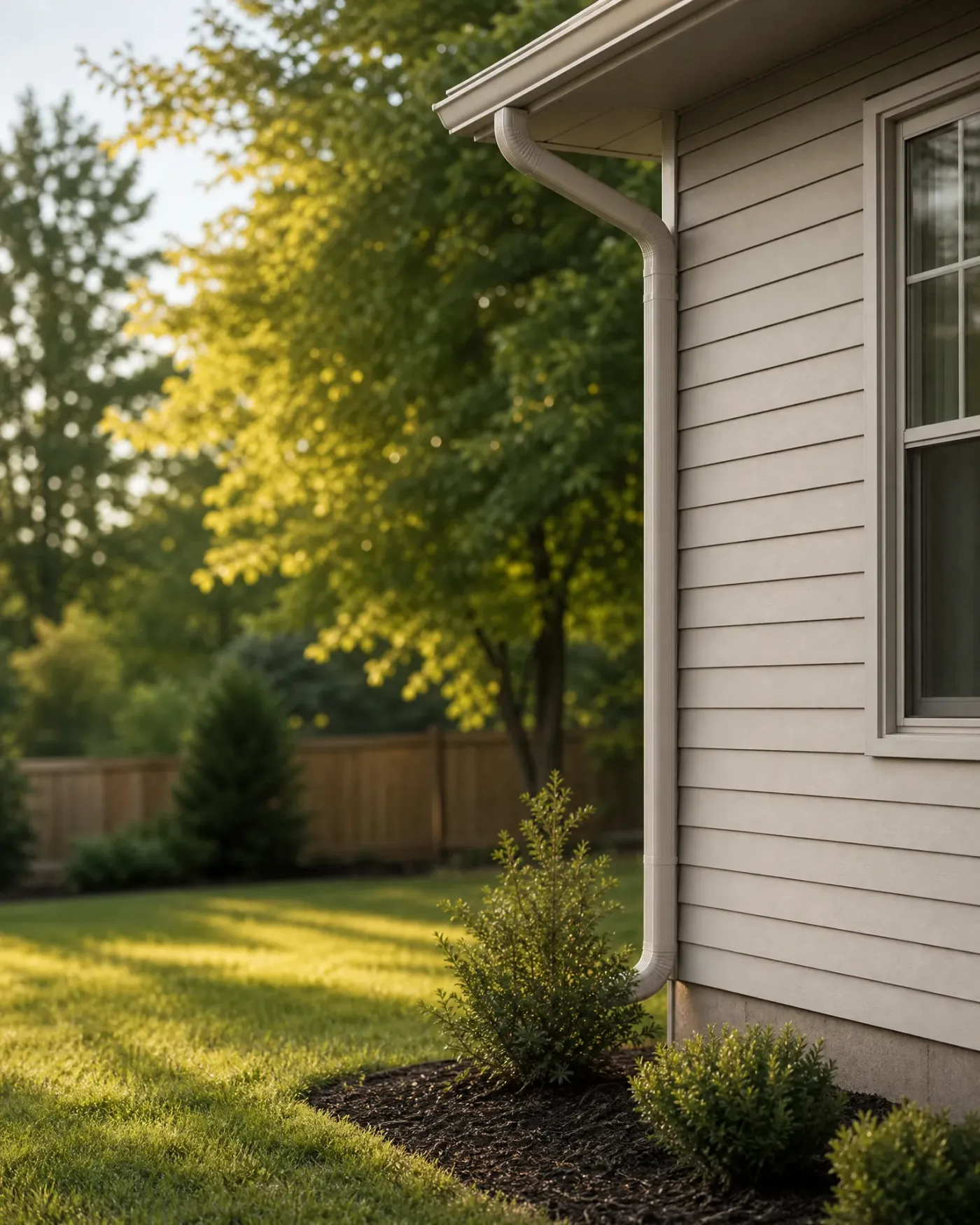
Corner of a house with light horizontal lap siding, a white gutter and downspout, and a window, beside a mulched bed with small shrubs, a lawn, wooden fence and trees in the background.
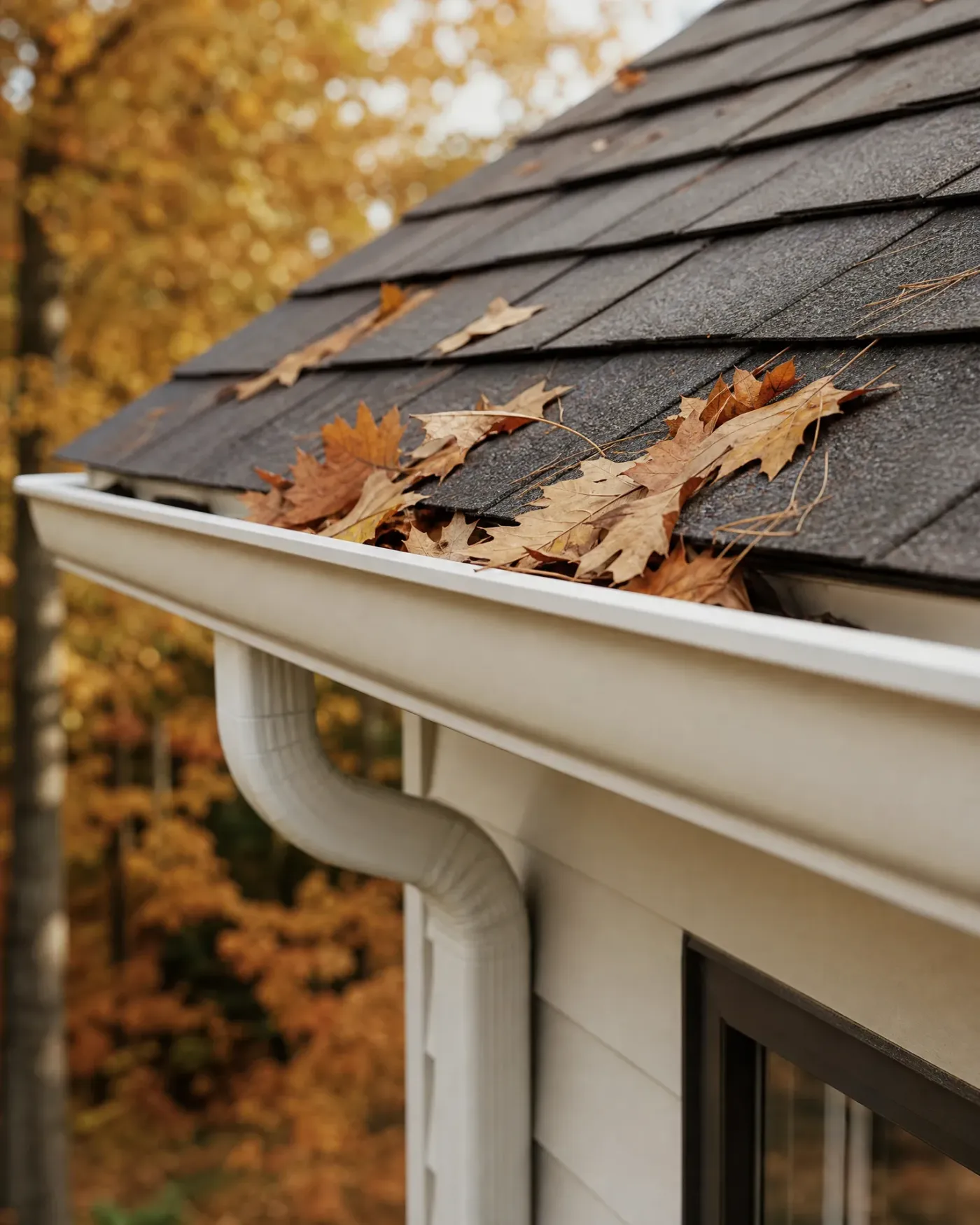
Close-up of a white gutter along an asphalt-shingle roof edge with dry brown leaves collected in it, a downspout and lap siding below, and blurred autumn trees in the background.
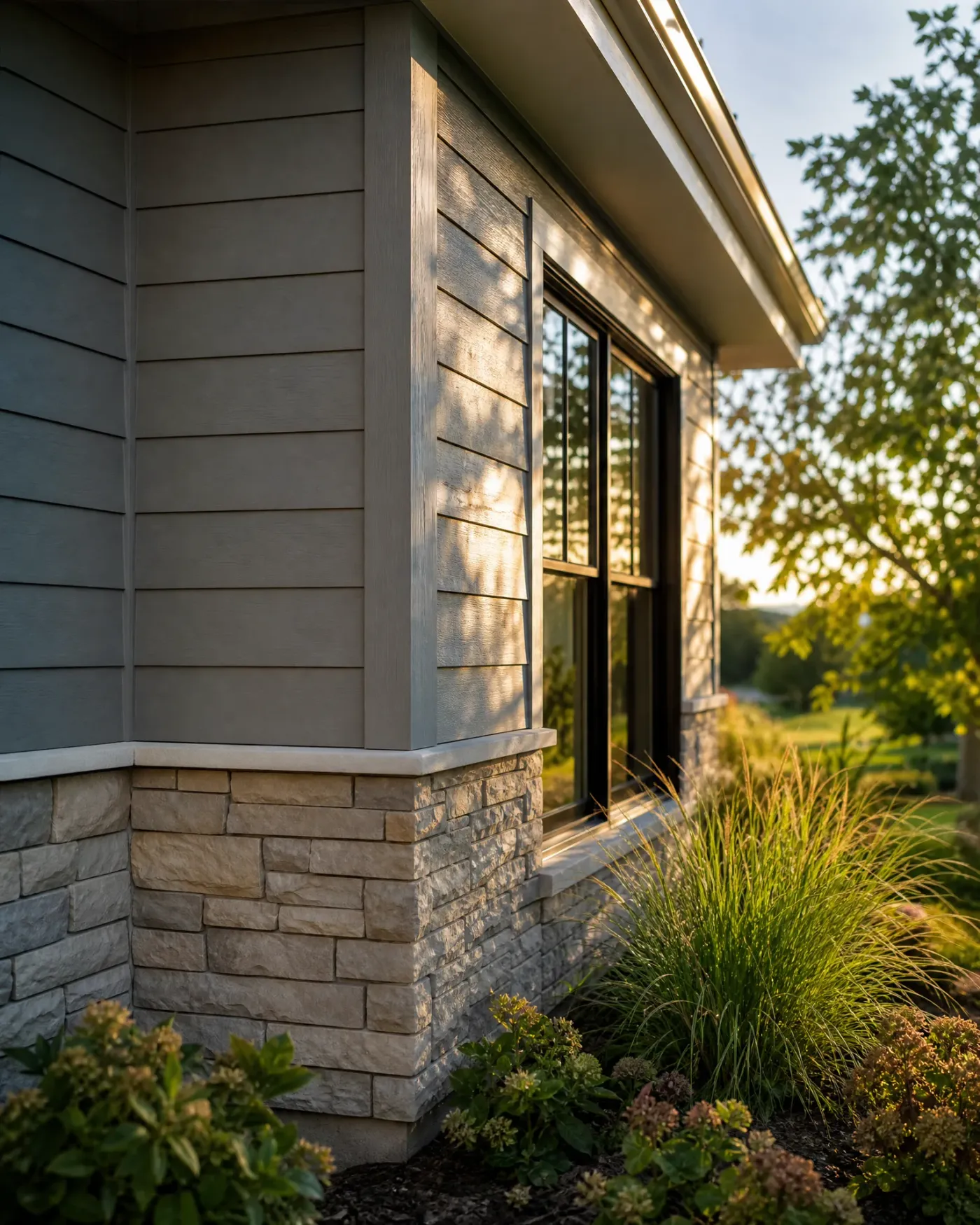
Exterior corner of a house with horizontal lap siding above a stone veneer base and a dark-framed window, with ornamental grasses and shrubs in the foreground and trees in low sunlight behind.
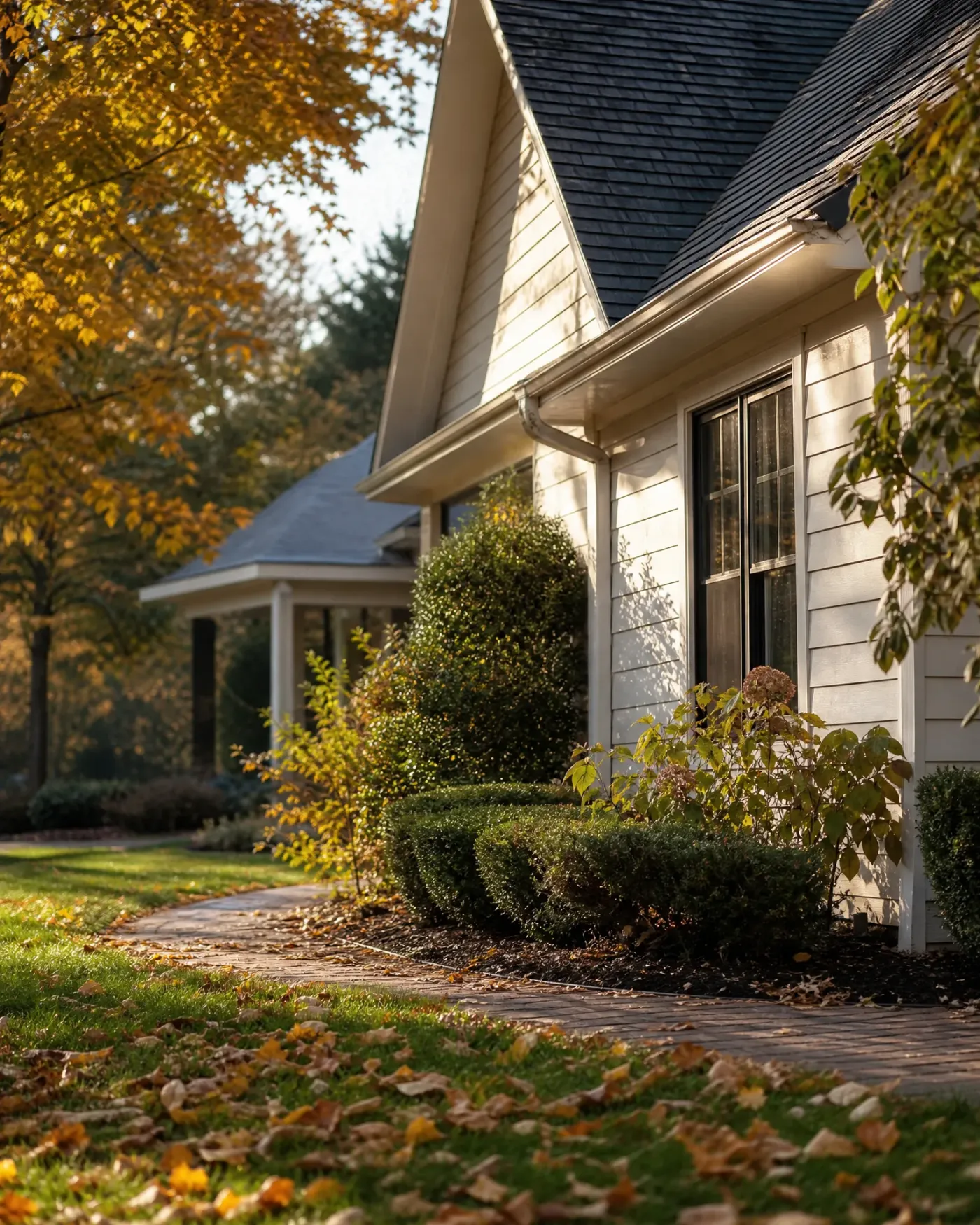
A white horizontal-siding house with a steep gray shingled gable roof, fronted by trimmed shrubs, a brick walkway, and a lawn scattered with fallen autumn leaves.
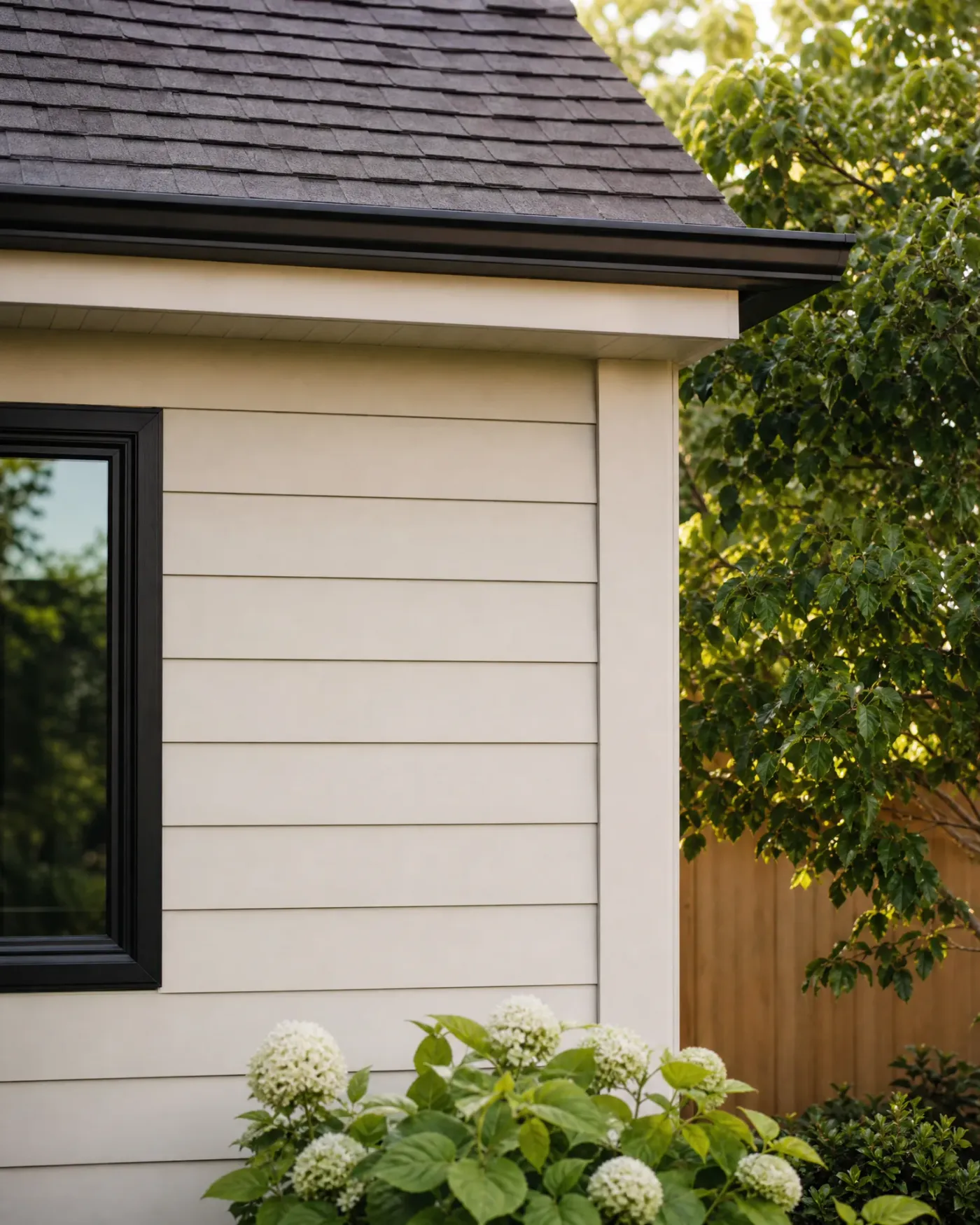
Corner of a house with cream horizontal lap siding, a black-framed window, asphalt shingle roof with dark fascia, white hydrangea blooms and green shrubs below, and a leafy tree and wood fence to the right.

A water heater pro near you

One request and finding someone for the tune-up is handled.

Find my pro

No fee to send it, and nothing to sign.