

Why your water heater makes popping noises in Mississippi
One request and the search for a pro is handled.
I'm done searchingWhy does my water heater make popping noises?
Popping and rumbling from the tank usually starts gradually, then one day it's loud enough that you notice it every time the heater kicks on. You're not dealing with a leak or a flood, just a noise, which is why it's easy to put off. But a noise that's new and getting louder is worth a look before it turns into something that costs more to fix.
It's sediment built up on the bottom of the tank
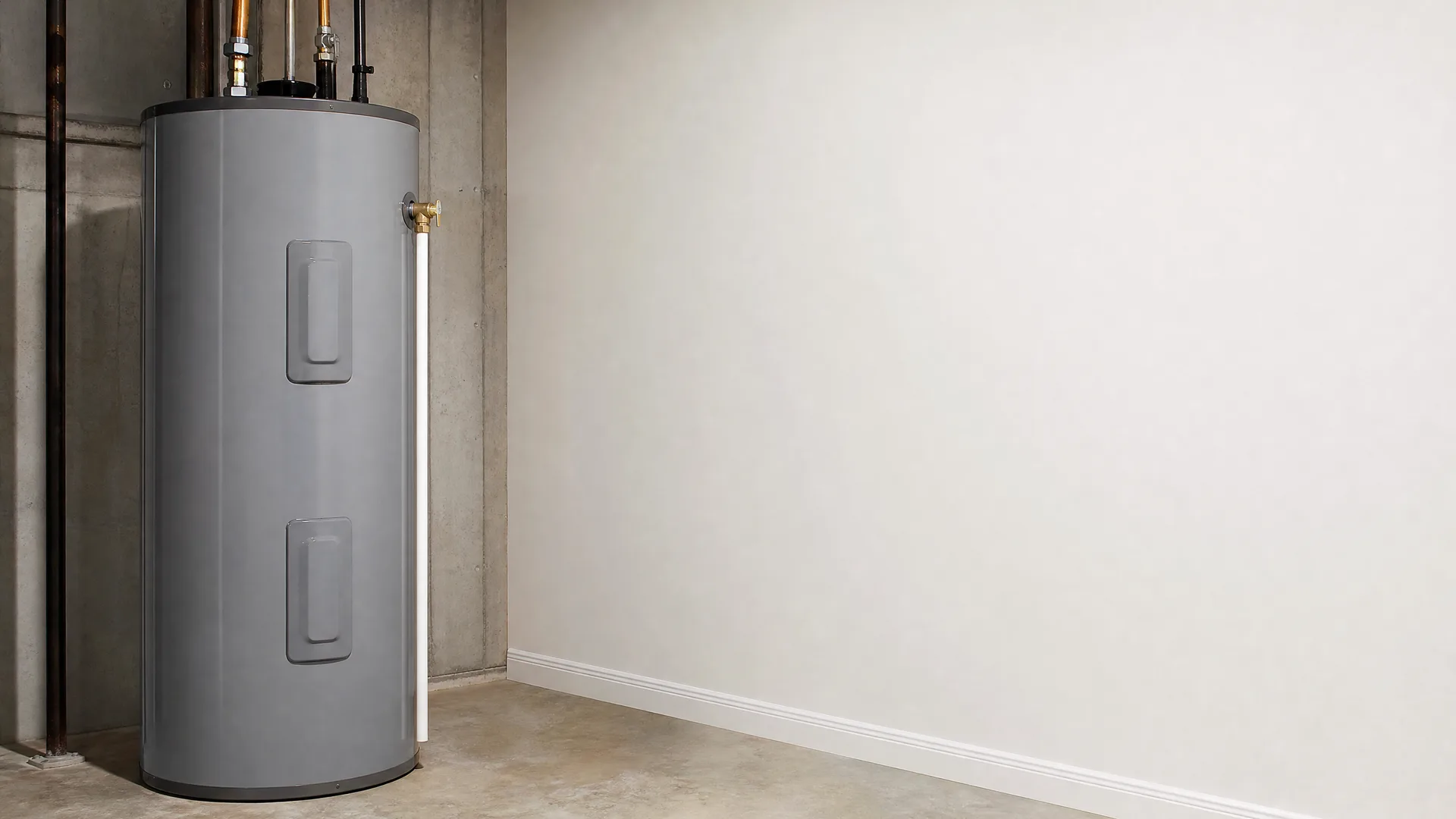
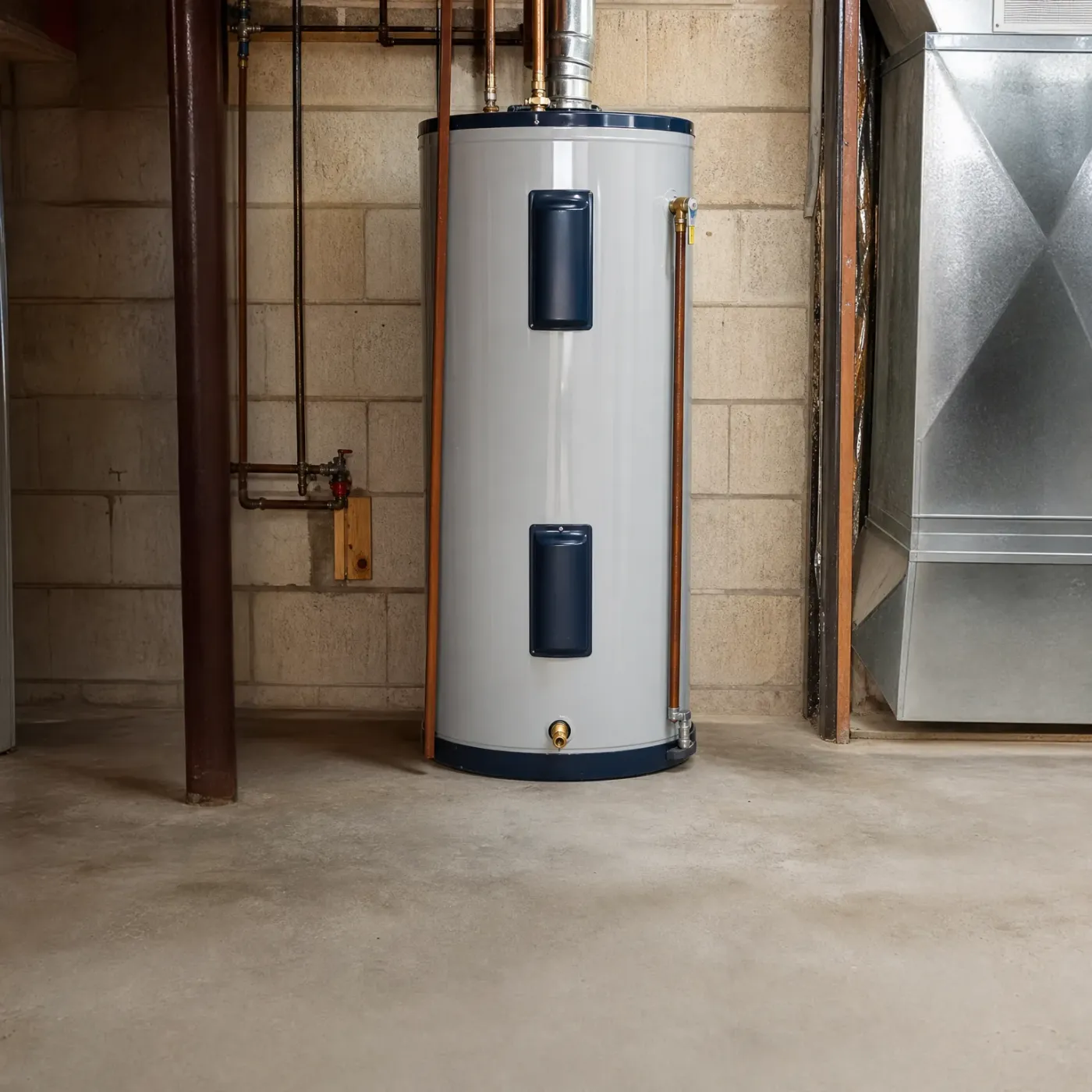
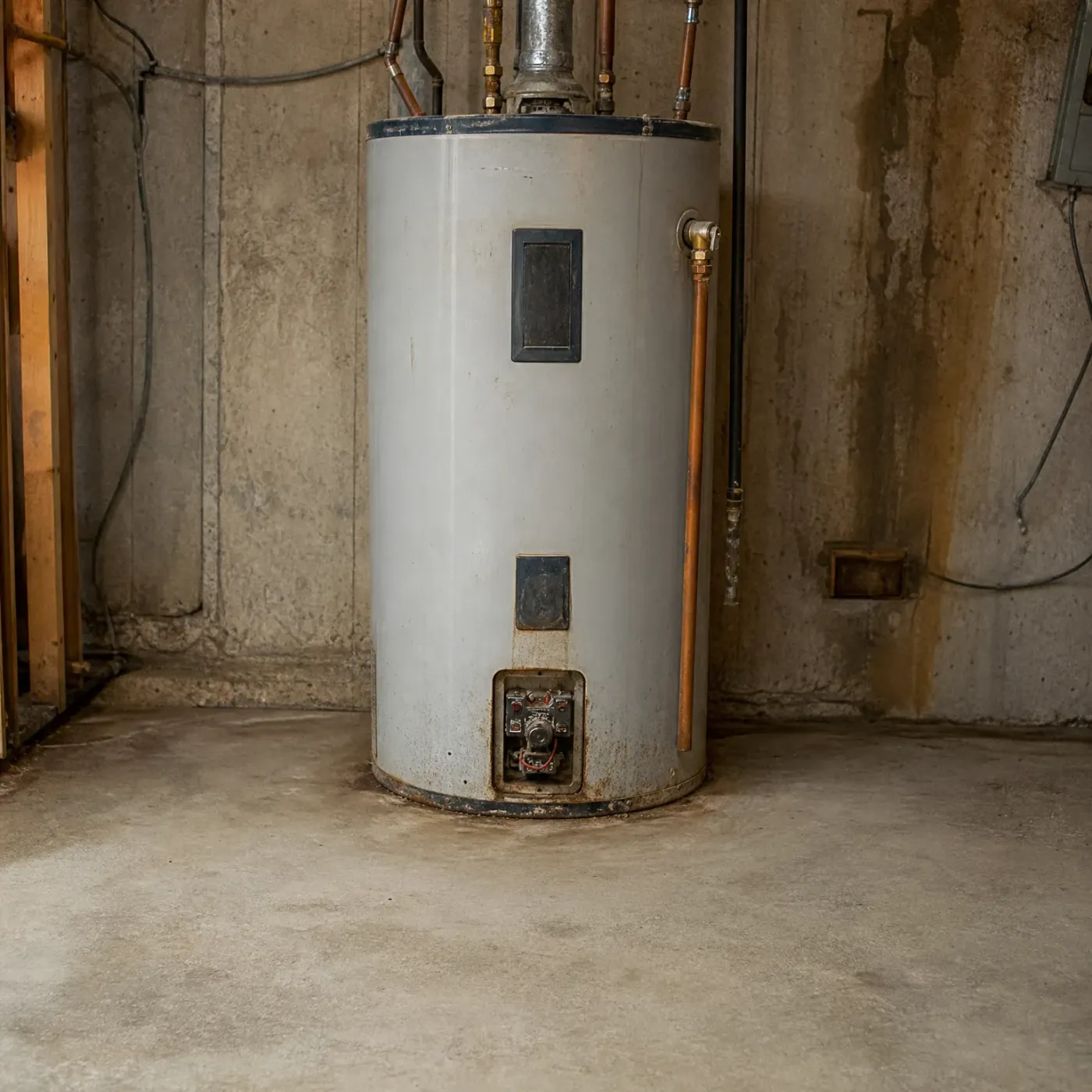
Most homes in Mississippi run on electric water heaters, and electric tanks heat from a element down near the bottom. Over time, minerals in the water settle there as sediment. When the element fires, water trapped under that layer turns to steam and pushes through, and that's the popping you hear. The thicker the layer gets, the louder and more frequent the noise. It also means the element is working harder to heat through that buildup, which can show up on your power bill. Left alone, the sediment can shorten the life of the tank or damage the element itself. A contractor can flush the tank and check the element's condition.
Where the sediment comes from
Mississippi water carries minerals that settle out as the tank heats. Most homes here run electric water heaters, and the lower heating element sits right down in that layer. Every cycle bakes a little more of it into a hard crust on the tank floor. Water trapped under that crust turns to steam, and the popping you hear is that steam pushing up through the sediment. It builds faster in a tank that runs hard, and summers here keep the unit working to cover showers and laundry on top of the heat.

What the noise means for the tank
The popping itself won't flood your house, but the sediment underneath it is making the heater work harder to do the same job. That layer sits between the element and the water, so the element has to push more heat through it to get the tank up to temperature. Left alone, it stresses the tank lining over time. A contractor who services water heaters around Mississippi every summer can flush that sediment out and check the lower element while it's apart.
Ignore the Popping or Flush the Tank
Leave it alone
- The popping won't damage the tank by itself, so you can wait and see how loud it gets.
- The lower element still heats the water even buried under sediment, so you may not notice a problem yet.
- Sediment keeps building every cycle, and a thicker layer takes longer to heat, which can show up on your electric bill.
- A buried element works harder and runs hotter than it should, and that shortens how long it lasts.
- If the element burns out, you're looking at a repair call anyway, just a less convenient one.
Have it flushed
- A contractor can drain the tank and clear the sediment layer off the bottom and off the lower element.
- Once the layer's gone, the popping stops because there's nothing left to trap water under.
- The lower element heats evenly again instead of pushing heat through a few inches of mineral buildup.
- A local contractor who works on tanks around Mississippi water knows how much sediment to expect and checks the element while it's open.
- Flushing now costs less than replacing an element that's failed from overheating.




Done looking for a water heater pro

The pro who reaches out is licensed in Mississippi.
Asking costs nothing, and the choice to hire stays yours.
How the popping actually happens
- The popping sound is steam bubbles forming under the sediment layer and bursting through it as the element heats the tank.
- A layer of sediment acts like a lid, so water trapped beneath it has to reach a higher temperature before it turns to steam.
- Each bubble that escapes knocks against the tank wall, which is why the noise often carries through the house.
- Electric water heaters have two elements, and the lower one sits inside the sediment layer where most of this happens.
- The noise usually gets louder over weeks or months as the sediment bed thickens with each heating cycle.
- A tank that's gone quiet again after popping for a while may mean the element has burned out under the buildup.
The lower element in an electric water heater sits near the bottom of the tank, and that's where sediment settles first. Once a layer builds up, it covers the element like a lid. Water underneath that layer still gets heated, but it can't rise and mix with the rest of the tank the way it normally would, so it sits against the hot element until it turns to steam instead of just warming up. Those steam bubbles form under the sediment and then force their way up through it. Each one hits the tank wall on its way out, and that's the knock or pop you hear. It's not one event. It happens over and over, every time the lower element cycles on, which in most homes is several times a day. As the sediment bed gets thicker, the bubbles have to push through more material to escape, so the sound tends to get louder and more frequent over weeks or months rather than appearing all at once. If the popping stops on its own after going on for a while, that's not necessarily good news. It can mean the sediment finally insulated the element enough, or buried it deeply enough, that the element burned out and stopped heating. At that point you'd likely notice less hot water rather than more noise, which is its own sign something changed inside the tank.

You turn the shower on and step back while it warms up, same as every morning. Nothing comes. The towel sits on the rail where you left it, and the mirror stays clear because there's no steam climbing up the glass. You run your hand under the water and it's gone lukewarm, then cold. Downstairs, the heater just popped through another cycle, loud enough you heard it through the floor. You've been meaning to look into that sound for a couple of weeks now. Standing here with a half-warm towel and a shower you can't use before work, it stops being a noise to get around to and starts being the reason you're standing in a cold bathroom on a Tuesday.
58.9% of homes statewide heat with electricity
Most houses in Mississippi run on electric water heaters, which means that lower element sitting in the tank is doing the work, and it's also what's sitting right in the sediment. That's the layer trapping steam and making the noise you're hearing.
ACS 2020-2024 5-year B25040


The popping is sediment trapping steam against the tank wall, and it only gets louder as more builds up. Flushing the tank clears it out, but once a tank has years of sediment baked onto the lower element, a flush doesn't always undo the wear underneath. A local plumber who works on electric water heaters all over Mississippi has seen this exact tank more times than you have, and knows whether yours is still a flush or already past that point. You'll get matched with one licensed contractor, not a handful of companies competing for the job, so there's no round of calls to sort through. They'll look at the tank itself, the element, the noise, and tell you straight what it needs. From there it's off your plate. You know what the noise is now, and you know it's worth dealing with before it decides the timeline for you.

Water Heater Repair
It's off your list after this

- Tell a local repair pro what your water heater is doing.
- Say what's going on with your water heater, and a pro who works on them reaches out.

- Get the water heater repair search off your mind today.
- Once you send the form, finding a pro is off your list.

- Describe what your water heater is doing once, in one form.
- Answer a few questions instead of calling shop after shop.

- Your request stays with one local pro.
- Your request goes to one pro, not a list of companies.